
Let's start with what actually happens to your body after 40
Here's the thing nobody tells you plainly: your clitoris doesn't get less sensitive. It changes how it responds to stimulation. That's wildly different, and it changes everything about what works.
After 40, estrogen naturally dips. The tissue that makes up the clitoral complex becomes thinner and less engorged. Blood flow takes longer to arrive. The nerve endings don't disappear. They're still there. But the architecture around them shifts. Direct, high-intensity vibration often feels too intense or somehow flat. It's not you. It's physics.
That's where clitoral vibrators and suction technology come in. They work with what your body is actually doing now, not against it.
How suction technology bypasses the sensitivity shift
Traditional vibrators rely on oscillation. They move back and forth at high speed. For someone under 40, that works beautifully because the tissue is plump with blood and responsive to friction. Over 40, that same motion can feel numbing or even mildly painful.
Clitoral suction vibrators work differently. Instead of friction, they create a gentle vacuum that draws blood into the clitoral tissue and stimulates the nerve endings without direct pressure. It's less like scratching an itch and more like air moving across your skin. Your body recognizes it as pleasure faster.
The Lem, for example, uses eight different suction patterns instead of vibration speeds. The sensation builds more gradually and feels softer, which gives your nervous system time to catch up. Over 40, you're probably not looking for shock and awe. You're looking for something that actually feels good for thirty minutes instead of five.s
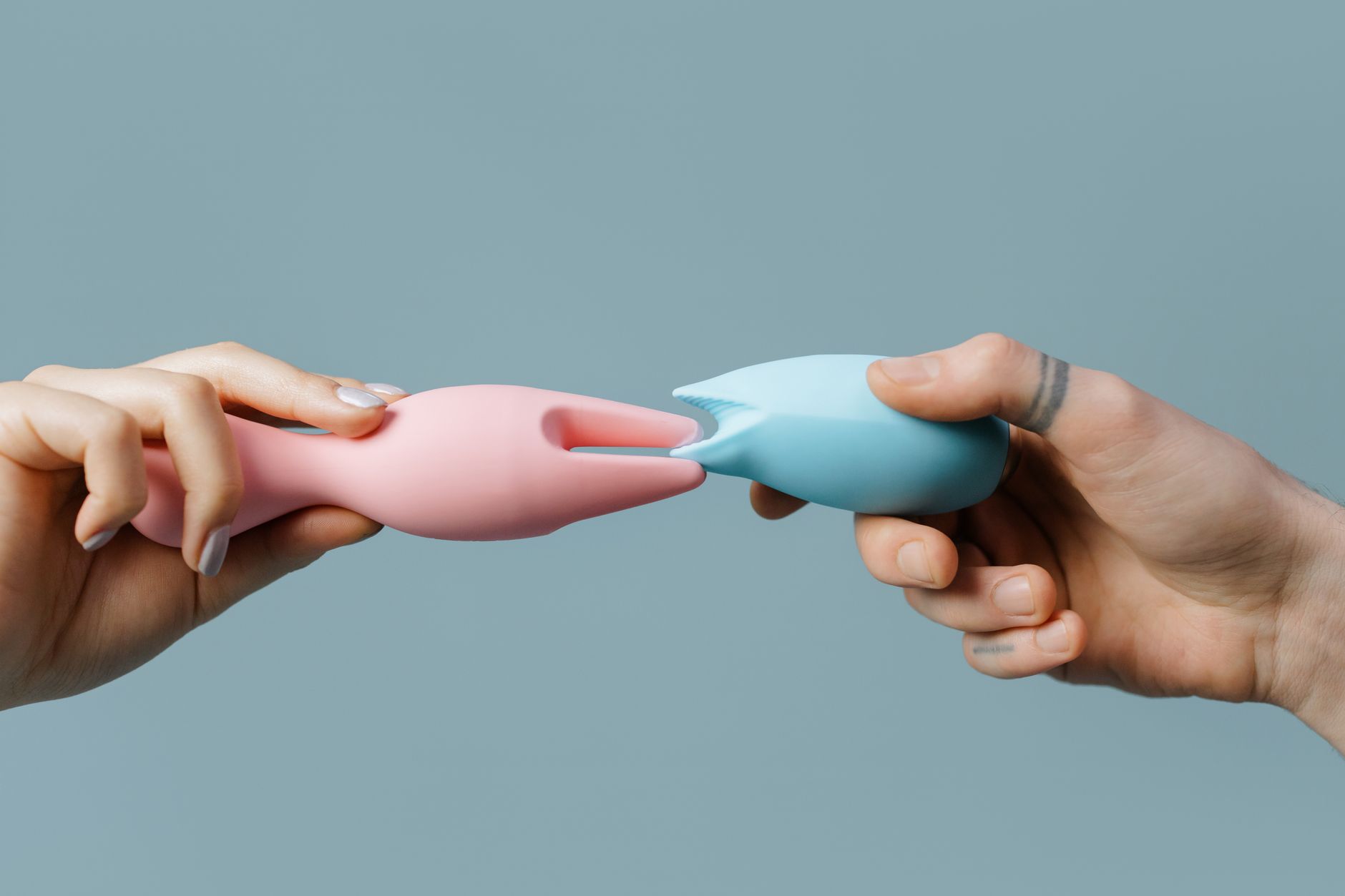
Photo by cottonbro studio on Pexels
The arousal-building advantage
One thing that definitely changes over 40 is the speed of arousal. You probably already know this. Foreplay takes longer. Mental focus matters more. Distractions pull you out of the moment more easily.
Clitoral vibrators play well with this reality instead of fighting it. Because suction feels gentler and more enveloping than vibration, it's easier to stay present with the sensation. You're not managing discomfort or feeling like you need to numb out. You can actually pay attention.
Most women I work with report that suction vibrators feel more like partnered touch than vibrators. It's intimate rather than mechanical. That psychological shift is huge over 40, when intimacy matters more than novelty.
Why clitoral vibrators work better than traditional vibrators for most women over 40
Let me break down the actual differences:
Stimulation type. Vibrators buzz. Clitoral vibrators create suction and gentle pulsing. Your clitoris over 40 responds more readily to suction because it mimics the sensation of oral sex, which most bodies never stop finding pleasurable.
Sensation quality. Vibrators can feel sharp or exhausting. Clitoral vibrators feel encompassing. The suction wraps around the tissue rather than bombarding nerve endings.
Arousal rhythm. Vibrators are go-big-or-go-home. Suction vibrators like the Lem have gentler starting patterns. You can stay with the slow build without jumping straight to maximum intensity.
Comfort over time. High-speed vibration can actually desensitize the clitoris with repeated use. Suction stimulation doesn't have that same fatiguing effect.
The science backs this up. Studies on clitoral stimulation show that lower-intensity, longer-duration stimulation produces more consistent orgasms than high-intensity short bursts for women over 40. That's exactly what suction vibrators deliver.
The partner advantage
If you're in a long-term relationship, this matters. Many women over 40 find that when desire returns after relationship disconnect, the return doesn't feel spontaneous. It feels like something you have to build back in.
Clitoral vibrators make partnered sex feel less like you're waiting for your body to cooperate and more like you're actually enjoying the process. Your partner can hold it. Can vary the patterns based on what you respond to. Can watch your face and adjust. The device becomes collaborative rather than solo.
In my practice, couples say this changes the conversation from "I'm not as interested" to "I love how this feels." The pleasure shifts the dynamic entirely.
What to look for if you're exploring clitoral vibrators for the first time over 40
If you're new to clitoral vibrators or you've only used traditional vibrators before, a few things matter:
Start at pattern one. I can't stress this enough. Suction builds sensation differently. What feels gentle on pattern one will feel intense by pattern four. You don't need to jump straight to power.
Use lube anyway. Even though suction vibrators don't require the same friction-based lubrication, a thin layer of water-based lube helps the seal work better and reduces any suction that feels uncomfortable.
Give yourself fifteen minutes. Arousal over 40 is not a sprint. Use the first five minutes just to settle in and feel the sensation. Let your nervous system recognize pleasure. This matters more than the orgasm itself.
Watch your pelvic floor. Over 40, your pelvic floor is tighter. That's not bad, but it's real. Make sure you're actively relaxing your pelvic floor when you use the vibrator. Tension blocks sensation.

Photo by Vanessa Loring on Pexels
The hormonal piece
If you're in perimenopause or menopause, clitoral vibrators become even more valuable. Estrogen drops, tissue thins, arousal takes longer. All of that makes traditional vibrators feel wrong. Suction-based stimulation doesn't rely on engorged tissue or immediate blood flow. It works with whatever your body is doing.
Many women find that when estrogen drops in perimenopause, a clitoral vibrator is one of the few things that still produces consistent, satisfying orgasms. It's not a workaround. It's often genuinely better than what worked at 30.
When to stick with traditional vibrators
Not everyone over 40 needs to switch. If you're using traditional vibrators and they work beautifully, keep going. Your pleasure doesn't need fixing.
But if you've noticed that vibrators feel either too intense or somehow flat, if arousal takes longer and you find yourself wishing for something that feels less mechanical, or if you've been avoiding solo pleasure because nothing feels quite right anymore, clitoral vibrators are worth trying. The sensation is fundamentally different. For most women over 40, it's closer to what their body actually wants.
FAQ
What's the difference between a clitoral vibrator and a regular vibrator?
Traditional vibrators use rapid oscillation to create stimulation. Clitoral vibrators use suction and pulsing patterns instead. The sensation feels more enveloping and less sharp. Over 40, when tissue sensitivity has shifted, suction-based stimulation typically produces more consistent pleasure and orgasm than high-speed vibration.
Do clitoral vibrators work if you have low sensitivity?
Yes. In fact, they work better for low sensitivity than traditional vibrators do. Because suction doesn't rely on friction, it can stimulate nerve endings that don't respond well to direct pressure. If vibrators have stopped working for you, a clitoral vibrator like the Lem is worth trying before you assume your sensitivity is permanently lower.
Can I use a clitoral vibrator if I'm on antidepressants?
Many antidepressants affect arousal and sensation. Clitoral vibrators can help because the suction stimulation is more neurologically distinct than vibration. You're not fighting numbed sensation in the same way. If you've been using a vibrator for better sensation when numbed by antidepressants, a clitoral vibrator often feels more effective because it hits different nerve pathways.
How long does it take to orgasm with a clitoral vibrator?
Over 40, it typically takes longer than it did at 25. Most women report five to twenty minutes with a clitoral vibrator. That's actually less than many report with traditional vibrators because the sensation feels more natural and your nervous system doesn't have to work as hard to recognize it as pleasure. Slow is not a problem. It's usually better.
Is suction stimulation safe?
Yes. The suction created by devices like the Lem is gentle and designed to work with your clitoral tissue, not against it. The sensation might feel stronger than you expect at first, but that's not the same as unsafe. If a pattern feels uncomfortable, lower the intensity. The device is designed to work at every level.
Should I use clitoral vibrators with a partner or alone?
Both work beautifully. Alone, you get to explore your own pleasure without managing someone else's timing. With a partner, they can hold the device and adjust based on what you respond to, which adds a layer of intimacy and collaboration. Over 40, many women find that partnered use feels more connected than solo use, but that's your preference to discover.
The bottom line
Over 40, your body isn't broken. It's changed. Clitoral vibrators are built for what your body is actually doing now. They work with slower arousal, with thinner tissue, with the reality that you want pleasure to feel intimate and unhurried. If traditional vibrators stopped working years ago, or if you've been avoiding solo pleasure because nothing feels right, clitoral vibrators often feel like coming home. Your pleasure matters just as much at 40, 50, or 60 as it did at 25. Your body just deserves a tool that meets it where it actually is.