
When the spark shows up again, you almost don't recognize it
Years of disconnection create a particular kind of quiet. You share a life, a home, maybe a bed. But intimacy has become theoretical. Then one day, something shifts. A conversation that lands differently. A look across the table that lingers. Desire doesn't come roaring back, not yet. It comes as a whisper, tentative and half-doubted. And you wonder: is this real, or am I imagining it?
It's real. And rebuilding from here is different than rebuilding from scratch.
The neuroscience of reconnection after distance
When couples have been emotionally distant for months or years, the brain has literally stopped sending those "approach signals" to your partner. Your nervous system has learned to stay flat around them. Reigniting desire doesn't mean forcing passion back. It means slowly teaching your body and brain that it's safe to feel again.
Lemon clitoral vibrators work differently in this context. They don't demand much from you mentally. They don't require you to perform desire before you feel it. Instead, they create a gentle, consistent signal that pleasure is possible, that your body still knows how to respond, and that your partner is someone who wants to participate in that.
Couples who've been disconnected often report that using a lemon vibrator together for the first time in years feels less like "sex" and more like rediscovery. The suction pattern is rhythmic and non-demanding, which matters because anxiety and overthinking kill reconnection faster than anything else.
Why lemon vibrators specifically help when desire is fragile
Three reasons make a difference here.
First, they're less intimidating than traditional vibrators. After years apart, pulling out a harsh, buzzing device can feel like admitting defeat or desperation. Lemon clitoral vibrators are designed to feel natural, intuitive, almost like a rediscovery rather than a new tool. The suction pattern mimics what the body recognizes as pleasure without the clinical feeling of older vibrator technology.
Second, they remove performance pressure. One of the biggest barriers to reconnection is the fear that desire won't show up on cue. If your partner is watching and waiting for you to be turned on, that pressure usually kills any chance of it happening. A lemon vibrator lets you focus on sensation without narrating it. Your body can respond without commentary.
Third, they create novelty without requiring vulnerability. Couples who've been distant often struggle with vulnerability. Introducing something new (not just repeating old patterns) signals that this is different, that you're both willing to try something else. But it's a gentler kind of new than starting from complete scratch.
The conversation before you bring it into the bedroom
This matters more than the device itself. Honestly though, most couples skip this step and then wonder why the toy feels awkward.
Here's what works: bring it up outside the bedroom, outside any sexual context. Over tea or a walk. "I've been thinking about us. About trying something that might help us feel closer again. I found this tool that a lot of couples use when they're rebuilding. No pressure, but would you be open to that?"
If your partner says no, don't push. If they say yes, listen to what comes next. Are they scared? Intrigued? Skeptical? Asking might reveal things you didn't know about their own doubts or hopes.
Some partners worry that a lemon vibrator means their touch isn't enough. It doesn't. Explain that it's not a replacement. It's an on-ramp. Once reconnection starts to happen, the vibrator becomes less central, not more. Many couples use it once or twice and then set it aside because they don't need it anymore.
How to actually use it together when desire is reigniting
Start with patience, not performance.
First session (no pressure). Just have it in the room. Hold it. Let them hold it. No expectation of use. The goal is to make it familiar, not scary.
Second session. Use it on yourself first, with them present but not watching. This removes the performance element. You're just exploring, and they're learning what it feels like when you're engaged with your own pleasure.
Third session. They can touch you while you use it. This is where most couples say reconnection actually begins. They're participating without being the sole source of stimulation. The pressure shifts. Both of you get to feel like you're contributing to pleasure.
Ongoing. Some couples alternate. Some find that once desire starts flowing again, they rarely reach for the vibrator because the original intimacy has returned. That's the goal. The lemon vibrator is the bridge, not the destination.
Timing matters. Don't do this when you're tired, rushed, or resentful. Pick a day when you're both rested and there's zero chance of interruption. 20 minutes minimum. No phones.
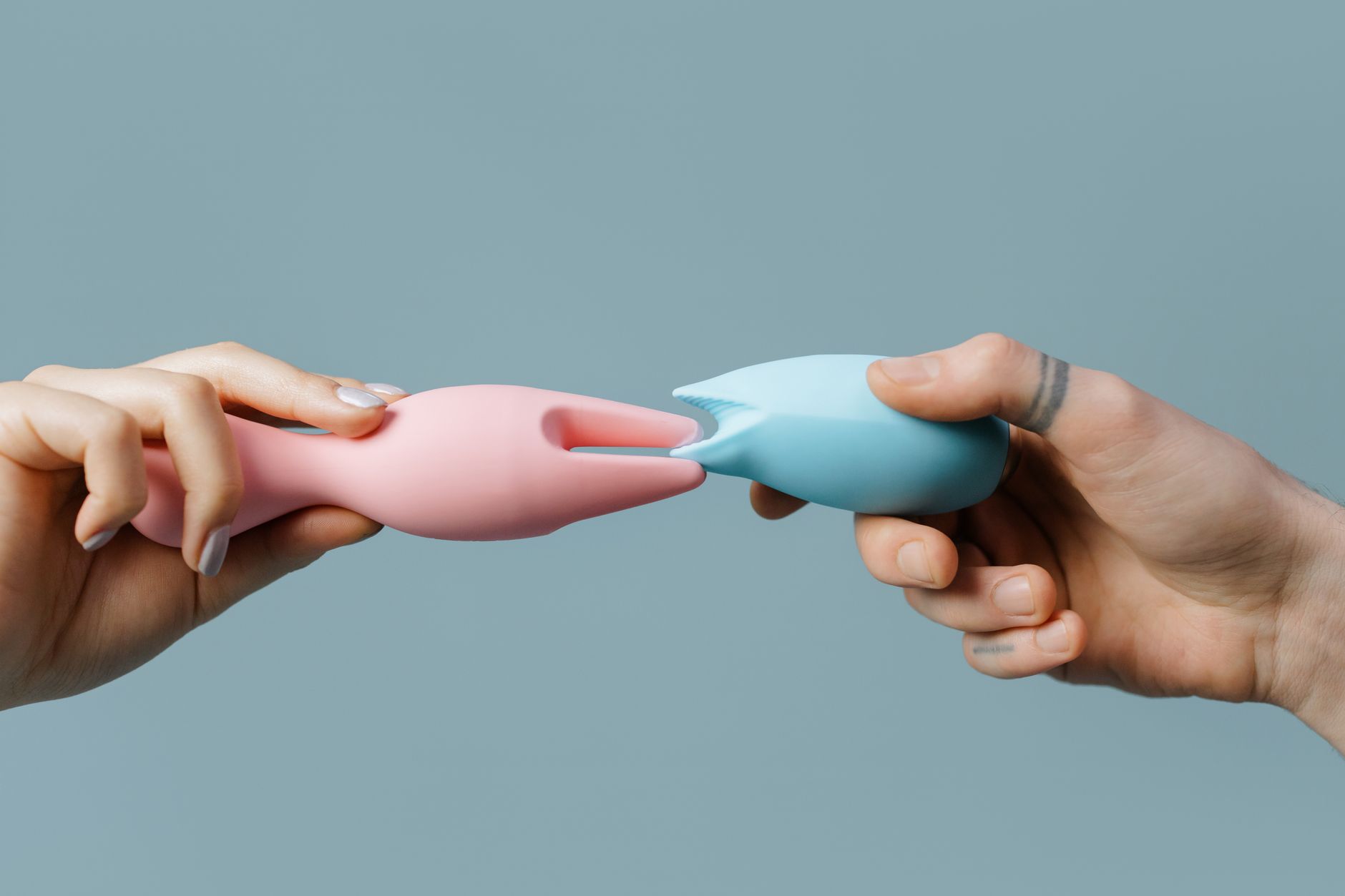
Photo by cottonbro studio on Pexels
What happens when desire is finally returning but intimacy still feels stuck
Honestly, sometimes the issue isn't the tool. Sometimes it's that one partner wants to reconnect and the other is still protecting themselves. A lemon vibrator can't fix that dynamic. What it can do is create a moment of mutual pleasure that breaks the freeze, at least temporarily.
If you're using it together and pleasure is happening, but emotional connection still feels distant, that's information. It usually means the disconnect goes deeper than physical intimacy. You might need to talk to a couples therapist, not buy a better vibrator.
If both of you are genuinely ready and just need a way in, how lemon vibrators help rebuild desire after relationship numbness covers more of that landscape.
The feelings that come with reconnection
When desire starts returning, sometimes so does grief. Grief for the time you spent disconnected. Guilt that it took something external to reignite what should be automatic. Weird jealousy or possessiveness you didn't expect to feel. These are normal. They're also worth acknowledging with your partner, not in the middle of sex, but in the conversations around it.
Some couples find that reconnection happens in phases. A burst of desire, then a pull-back. Another connection, then hesitation. That's not failure. That's two people learning to trust each other's bodies again.
If arousal still feels disconnected even as you're trying to reconnect, how to use a lemon vibrator when arousal feels disconnected from emotional intimacy might speak to what's happening.
When to know this approach is working
You'll feel it before you name it. One of you will initiate something without the tool. Or you'll touch each other and it lands differently. Or one morning you'll realize you've been holding hands without thinking about it.
These small shifts mean the bridge is working. Your nervous systems are learning that it's safe to approach each other again. The tool did its job. Now you get to do the rest.
FAQ: Reconnecting with desire and lemon vibrators
How long does it usually take for desire to return when you've been disconnected for years?
There's no timeline. For some couples, reconnection starts within weeks of trying something new. For others, it takes months of consistent effort and conversation. The important thing is that both people are genuinely willing. If one partner is going through the motions to keep the peace, desire won't return. It requires mutual commitment to trying.
Is it weird to use a lemon vibrator together if we haven't been intimate in a long time?
No, and in some ways it's less weird than jumping straight back into traditional sex. There's no expectation, no pressure to perform, and the novelty can actually help reset your nervous systems around each other. You're building something new instead of trying to resurrect something old.
What if my partner thinks introducing a vibrator means I'm not satisfied with them?
That's one of the most common fears. Reframe it explicitly: "This isn't about you not being enough. It's about us finding a way back to each other." A lemon clitoral vibrator isn't a replacement for your partner's touch. It's a tool that helps create the space where your partner's touch matters again. That distinction is important to say out loud.
Can we use a lemon vibrator if one of us is still hesitant about reconnecting?
Not effectively. Desire can't be forced, and resentment will kill the moment faster than anything. If one partner is hesitant, the conversation comes first. Why are they hesitant? Do they need assurance? Do they need to rebuild trust first? A vibrator can't do that work. But once both people genuinely want to try, the tool helps.
How do we talk about what we want after we've been disconnected for so long?
Start small. "I miss being close to you." "I think I'm ready to try something different." "Would you be willing to take this slowly?" These aren't sexy statements, but they create safety. Sexy comes after safety. Once you've established that you both want reconnection, the physical conversation becomes easier.
What if we use the lemon vibrator once and nothing changes?
One session doesn't rebuild what took years to distance. Think of it as a single date, not a relationship reset. Give it several attempts over a few weeks. Pay attention to what shifts, even small things. Are you laughing more? Is touch less tense? Is there less awkwardness? Those tiny changes mean it's working. The big shifts come later.
The quiet truth about reconnection
When couples have been emotionally distant, reconnection rarely looks like the movies. It's not a single night of passion that fixes everything. It's small moments of recognition. It's learning to be vulnerable with someone again. It's choosing, over and over, to show up.
A lemon vibrator can help open that door. But you and your partner are the ones who walk through it. The tool is just permission to start trying again.