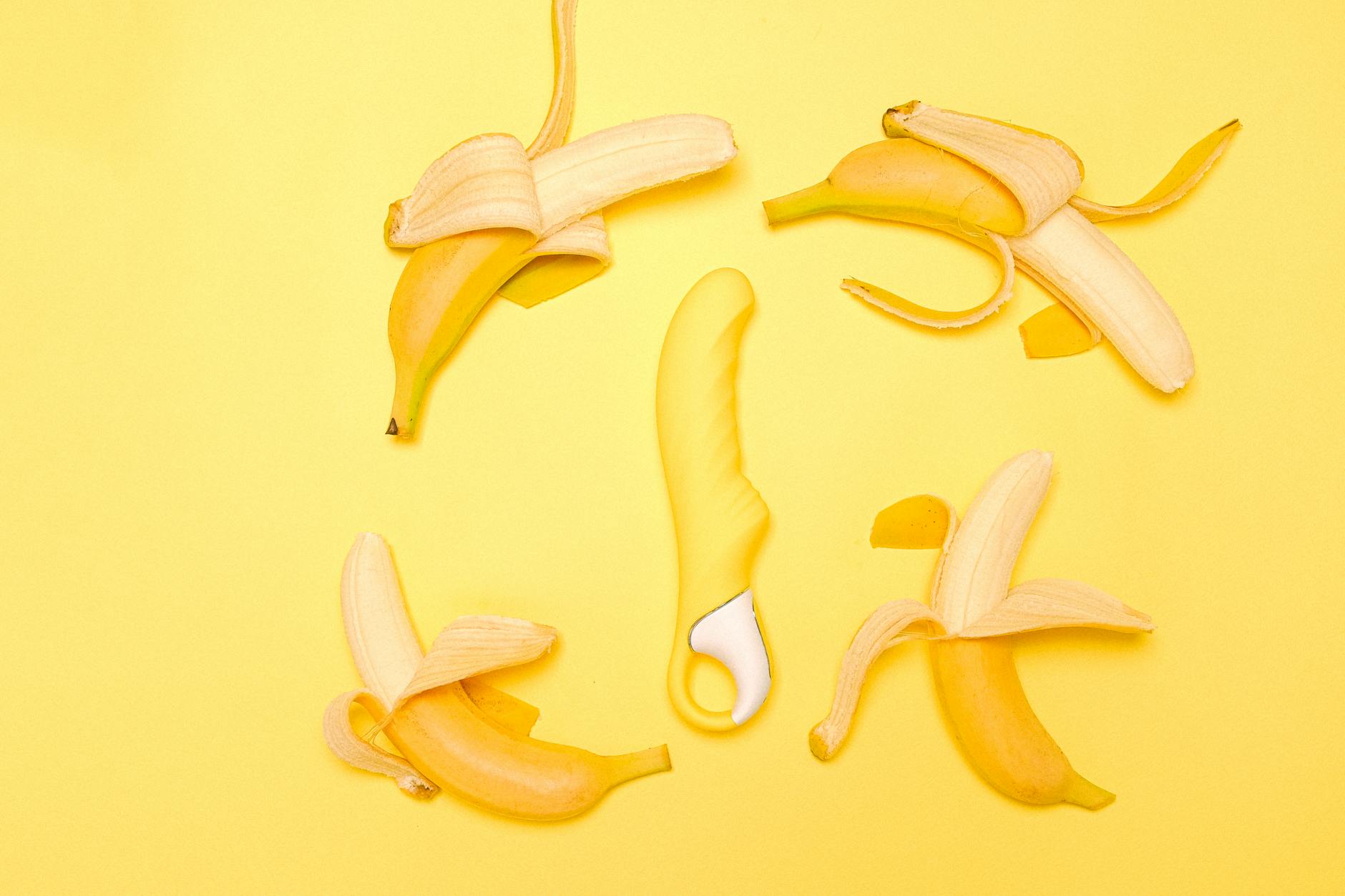
Let's start here: pleasure is yours to claim back
Sexual trauma changes your relationship with your body. Not forever, but for now. The nervous system gets rewired to perceive threat where there used to be sensation. Your body stops trusting itself. And the idea of solo pleasure might feel loaded, complicated, or impossible.
Here's what I know after two decades working with survivors: pleasure is not something trauma takes permanently. It's something that gets locked behind a door your nervous system closed for protection. And yes, that door can open again. But not on anyone else's timeline, including mine.
Why a lemon vibrator might actually help
A clitoral vibrator like the Lem works differently than partnered sex or penetration. That distinction matters enormously during recovery.
With a partner, pleasure comes tangled with vulnerability, negotiation, and someone else's presence. With penetration, your nervous system is monitoring depth, speed, pressure. With a lemon clitoral vibrator, you have one job: you're in charge. The device does not surprise you. The sensation doesn't escalate. The pattern stays exactly what you chose.
That control is not a side benefit. It's the whole point.
There's also a physiological piece. Trauma lives in the body. When survivors of sexual abuse start exploring pleasure again, they often find that gentle, consistent clitoral stimulation is less triggering than penetration. The clitoris itself doesn't tend to hold trauma memory the way the vagina or pelvic floor can. A suction-style clitoral vibrator bypasses friction entirely. You're not negotiating with your tissue. You're just receiving sensation on your own terms.
Before you even turn it on
Three things need to happen first, and none of them involve the vibrator.
Set a boundary on time. Tell yourself: "I'm going to explore this for 10 minutes. Not to reach an orgasm. Just to notice what my body can feel." A time boundary removes the pressure to achieve something. Recovery is not about performance.
Choose your space. You need to be alone, unrushed, and certain you won't be interrupted. Lock the door. Turn off your phone. Make the space yours. If your bedroom carries trauma memory, choose somewhere else. The living room floor. A guest room. Some survivors find it easier to reclaim pleasure in a space that's not tied to what happened.
Check in with your nervous system first. Before you touch yourself, sit for 30 seconds and notice: What's my body telling me right now? Am I tense? Numb? Curious? There's no right answer. You're just building the habit of listening to your body instead of overriding it. This single practice, done repeatedly, teaches your nervous system that you're safe.
How to actually use the lemon vibrator
Start at the lowest setting. The Lem has multiple patterns. Most survivors I've worked with prefer settings 1 or 2 when they're beginning. The goal is not intensity. It's sensation.
Touch yourself first. Before the vibrator comes in, spend a minute using your own hand. Explore your vulva. Notice temperature, texture, how it feels to touch yourself without an agenda. This reminds your nervous system that your own touch is safe.
Bring the vibrator in slowly. Hold it near your clitoris without turning it on yet. Let your body get used to its presence. Some survivors need 30 seconds here. Some need three minutes. Whatever you need is correct.
Turn it on at the lowest setting. Place it gently. You don't need pressure. The Lem's suction design means you're getting stimulation without friction. Many survivors find this feels completely different from what happened to them. It can feel almost impersonal, in a good way. You're exploring sensation without the weight of someone else's intention.
Stay in that for 2-3 minutes. Don't chase anything. Don't expect arousal. You're teaching your body that this device equals safety and choice. That's the whole win.
When your nervous system says stop
This is critical. During trauma recovery, your body might freeze, dissociate, or feel a sudden surge of anxiety even when you're completely safe. This is not failure. This is your nervous system doing exactly what it was trained to do.
If this happens, stop immediately. Turn off the vibrator. Breathe. Put it down.
Then notice: What happened just before? Was it a specific sensation? A memory that surfaced? A feeling that felt too intense? You're collecting data. Each time you pause and observe, you're teaching your body that you listen. That you don't push through.
Try again next week. Or next month. Or in six months. There is no deadline.
Building a rhythm over weeks
Week one: 10 minutes, lowest setting, no expectation of arousal. Goal is familiarity.
Week two: Same. Maybe you stay a bit longer if it feels good. Maybe you don't. Both are fine.
Week three: If you feel safe, try moving the vibrator slightly. Explore different angles. Still at the lowest setting. Let curiosity lead, not pressure.
Week four and beyond: You might try a higher setting if the lower ones feel boring. You might discover that a specific pattern or intensity makes you feel something. Or you might find that solo pleasure simply isn't your avenue right now, and that's okay too.
Recovery is not linear. Some weeks you'll feel ready to explore more. Some weeks you'll need to dial it back. Both are normal. Both are you listening to what you actually need.
What to do if arousal starts showing up
For some survivors, as the nervous system regulates and weeks pass, arousal begins returning. It can feel weird. Unexpected. Even a little scary because it means your body is waking up again.
Let it happen without pressure. If you're building toward orgasm, great. If you plateau and stay there, that's also great. How to Use a Lemon Vibrator for First-Time Orgasm Building addresses what happens when pleasure does start escalating. But for now, just notice. Your body is remembering that it can feel good. That's huge.
A word on partnered sex during recovery
Many survivors eventually want to reintroduce sex with a partner. If that's you, exploring with a lemon clitoral vibrator solo first gives you something invaluable: you know what feels safe. You have a reference point. You can tell your partner exactly what you need.
You might also find that using a lemon vibrator with a responsive partner who wants to help feels different and safer because you've already established that pleasure can exist on your terms. The vibrator becomes a tool you both understand. Not a performance device, but a way of saying, "This is what safety and pleasure look like for me."
When to talk to a therapist
A clitoral vibrator is not therapy. It's a tool. If you're working on trauma recovery, a trauma-informed therapist or somatic practitioner is essential. They can help you understand what's triggering, what's healing, what's just your nervous system learning again.
If you're experiencing pain during solo exploration, dissociation that doesn't ease, or persistent anxiety, that's not a sign the vibrator isn't working. That's a sign your nervous system needs more support than a tool alone can provide. Talk to someone.
But many survivors find that as they explore gently, consistently, and without pressure, their nervous system begins to settle. The body begins to trust again. And pleasure, which felt impossible six months ago, starts becoming a small, quiet, completely under-your-control possibility.
FAQ
Can I use a lemon vibrator if I'm not ready for orgasm?
Absolutely. In fact, orgasm should be the last thing on your mind during early recovery. You're teaching your nervous system that touch equals safety, not that touch must lead somewhere. Many survivors spend weeks just holding the vibrator, touching themselves, noticing sensation. That's exactly right.
What if I feel nothing at all?
Numbing is a trauma response. Your body shut off sensation to protect you. It doesn't come back on a schedule. Some survivors regain sensation in weeks. Some take months or years. If you feel nothing, that's information, not failure. Keep checking in gently. And talk to a trauma-informed therapist about why numbness is present.
Is it normal to feel ashamed about wanting pleasure again?
Completely. Trauma often brings shame alongside pain. You might feel like seeking pleasure means you're betraying what happened, or "moving on too fast," or being unsafe. Those are trauma thoughts, not truth. Your nervous system deserves to feel good. Pleasure is part of healing, not a betrayal of it.
Should I tell my partner I'm using a vibrator for healing?
That depends on your relationship and your safety. If your partner is trustworthy and trauma-informed, yes. They might even want to understand how they can support you. If your partner is unsupportive or if telling them would create risk, you don't owe them that information. Your recovery is yours.
What if the vibrator triggers memories?
Stop. Turn it off. Ground yourself. Notice what triggered it (was it a sensation? a sound? the position you were in?). Write it down if that helps. You're building a map of what your nervous system needs. Then wait a few days before trying again. Triggers usually soften with repeated safe exposure, but they need time.
How long until I feel "normal" again?
There is no normal timeline. Recovery is not linear. You might feel great for three weeks and then have a setback. That's not regression. That's healing. Keep going at your own pace. There is no deadline.
Reclaiming pleasure after trauma is one of the quietest, most powerful things you can do for yourself. You're teaching your body that sensation can be safe. That you are trustworthy. That pleasure belongs to you. That takes time. That takes patience. That takes you showing up for yourself, over and over, even on days when it feels impossible.
If you want to talk through next steps or need resources for trauma-informed support, reach out. You're not alone in this.