
The thing nobody tells you about this conversation
Introducing a clitoral vibrator to your partner feels enormous until you actually do it. Then it feels normal. The gap between those two feelings is pure anxiety, not actual danger. Here's the reality: partners who love you want you to feel good. Full stop. The conversation isn't about convincing them. It's about letting them know what you want.
I've worked with hundreds of couples navigating this exact moment. The ones who do it well share one thing: they frame it as an invitation, not a complaint.
Why the timing matters more than the words
Don't have this conversation during sex. Don't have it when you're frustrated. Don't have it when they're stressed about work or hungry. Have it in a moment of ease—maybe over coffee, in a car, somewhere neutral where you're both relaxed and have time.
The best conversations I've seen happen on a Tuesday morning when nothing else is pressing. There's something about low-stakes timing that makes everything feel easier. You're not ambushing them with intensity. You're just... talking.
Also, don't open with "I need to talk to you about something serious." That triggers defensiveness before you've even said anything. Just ease in naturally during whatever conversation is already happening.
The opening that actually works
Forget scripts. What works is honesty mixed with lightness. Here are real openings from couples I've worked with:
"I've been thinking about trying something new in bed, and I wanted to run it by you first."
"You know how I sometimes struggle to orgasm? I found something that might help, and I wanted to see what you think."
"I saw this thing and it made me curious. Want to hear about it?"
Notice what they don't do: they don't apologize. They don't frame it as fixing a problem in the relationship. They don't ask for permission. They're stating something they want and inviting their partner into the decision.
What to actually say about the toy itself
Describe what it does, not what's wrong with them or the current situation. A lemon clitoral vibrator uses suction and gentle pulsing to stimulate the clitoris. That's it. That's the whole thing.
You might say: "It's designed to feel different from everything else. It uses suction instead of vibration, and a lot of people find it gets them there faster or feels more intense."
Or: "I've read that a lot of people with vulvas find this easier to use during partner sex because it doesn't numb you out like other vibrators can."
Or simply: "I want to try it and see if it feels good. And I want you there when I do."
The key is describing the mechanism, not the problem. You're not saying "your fingers aren't enough." You're saying "this does something specific that I'm curious about."
Reading their response (and what to do with it)
Some partners will be immediately curious. Some will need a minute. Both are fine.
If they seem hesitant, ask what's going on. Is it anxiety about performance? Is it a concern that this means you're not satisfied? Is it just... the word "vibrator" feeling weird? The answers matter because they point to what actually needs reassuring.
"Does this mean I'm not enough?" gets answered with: "No. It means I want to explore what feels best for my body. Just like how you might want different kinds of stimulation in different moments. This is about deepening what we do together, not replacing anything."
"Will it hurt?" gets answered with: "It's smooth and designed specifically for this. And we can take it slow and stop anytime if it's not feeling right."
"This feels weird to me" gets answered with: "That makes sense. Do you want to take some time thinking about it? Or would you want to talk more about what feels weird?"
The conversation doesn't end when you introduce the idea. It continues as they process it.
How to bring it into bed without it feeling clinical
Once they're on board, you don't need a big transition moment. You can just... have it there when you're getting intimate. No fanfare. No "okay, we're doing it now."
Some couples find it easiest to start with it as a solo thing first. You use it on yourself while they're present and participating however feels comfortable to them. That removes the pressure of it being their job and lets them see that you're genuinely enjoying yourself.
Others jump straight to using it together during partnered sex. That's fine too. What matters is that you're not making it feel like an event. It's just another tool in your pleasure toolkit.
The part about your own confidence
Here's something I notice with people who struggle with this conversation: they're not actually worried about their partner's reaction. They're uncomfortable asking for what they want, period.
If that's you, know that this is learnable. You're allowed to have desires. You're allowed to ask for things that feel good. You're allowed to experiment. These aren't luxuries or betrayals. They're basic elements of being a person who knows themselves.
The lemon suction toys we're talking about—the kind Hello Nancy makes—aren't accessories for broken situations. They're tools for people who want to understand their own pleasure better. And that's something every partner should want for the person they love.
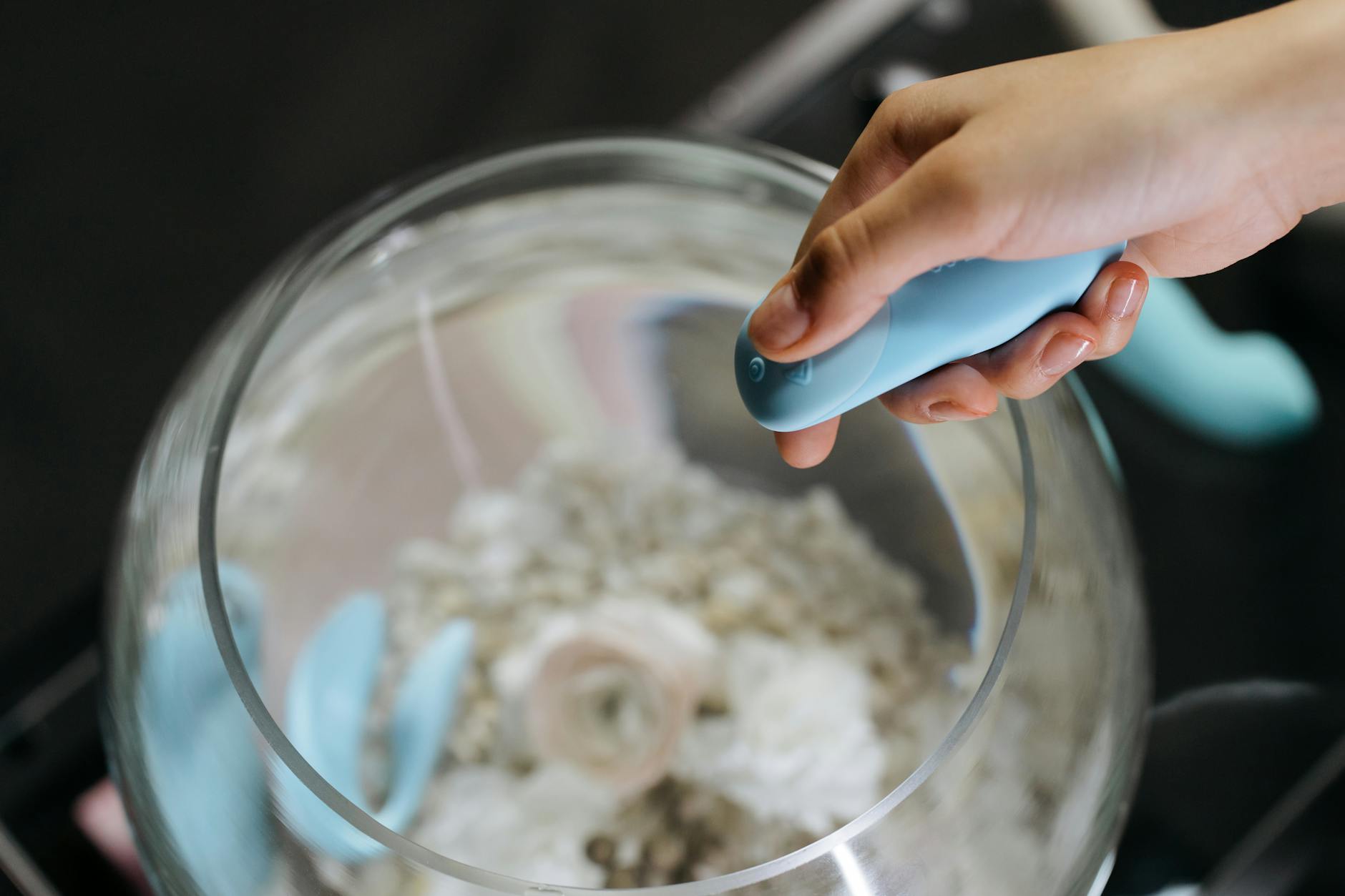
Photo by cottonbro studio on Pexels
What happens after the conversation
Most couples report that the actual conversation is way less awkward than the anticipation of it. You'll feel relieved. They might feel relieved. You might both feel a little closer because you were honest about something vulnerable.
And then what? You try it. You see how it feels. You might love it. You might not. You might use it sometimes and not others. You might find that it changes what you enjoy. Or you might discover that the main benefit was just breaking the silence around pleasure.
All of those outcomes are fine. The goal isn't to convince yourself or your partner that you need a lemon clitoral vibrator. The goal is to be able to talk about what you want without shame. Everything else follows from that.
Common questions after the conversation
Will my partner feel replaced or like they're not enough?
Not if you frame this clearly: "This isn't about you. This is about me understanding my body better. I want you in this with me." Show them that you still want them during sex. Use the toy while they're involved—whether that's touching you, watching, or participating however feels right. Partners feel secure when they're included, not sidelined.
What if I bring it up and they say no?
That's information. Then you get to decide what matters more: using this toy, or staying in a relationship where your partner won't even have the conversation. Sometimes a "no" is just a "not right now," and you circle back in six months. Sometimes it's a real incompatibility. But you're allowed to care about your own pleasure enough to notice that difference.
Should I buy it before or after the conversation?
After. It's not a gift you're springing on them. It's a decision you're making together. Once they're genuinely on board, you buy it together or separately—whatever feels natural. Some partners actually like shopping for it together because it removes some of the weirdness.
What if they want to use it too?
Great. Talk through what that looks like. Most clitoral vibrators are designed for a specific anatomy, but there are ways to make it work if both partners are interested. The instruction for whichever toy you choose will help clarify. Check out our care guide for specifics on any Hello Nancy lemon vibrator you choose.
How do I know if they're actually okay with it or just saying yes to make me happy?
You ask. "Are you genuinely into this, or are you just going along with it?" People who love you usually appreciate the chance to be honest. If they're "just going along," you get to decide if that's workable for you. Some couples do find a way to move through initial hesitation. Others decide it's not a shared interest, and that's okay too.
Is there a "right" lemon vibrator to introduce?
Start with something that feels approachable. The smaller Hello Nancy lemon toys feel less intimidating than larger ones. If you want something that works well in partnered sex, lemon clitoral vibrators are designed specifically for that use. The Lem is a good starting point because it's straightforward and the results are pretty immediate.
The thing that changes after this conversation
Once you've had it, you've crossed a threshold. You've said: "My pleasure matters. I want to explore it. And I want you in my life while I do." That's not a small thing.
Most couples find that one honest conversation about one toy opens up broader conversations about touch, desire, and what they both actually want. It's not because the toy is magic. It's because asking for what you want is magic. It makes you feel like yourself. And partners notice that.
The conversation you're dreading is five minutes of mild awkwardness followed by the freedom to be more fully yourself in your relationship. That's a trade I'd take every time.