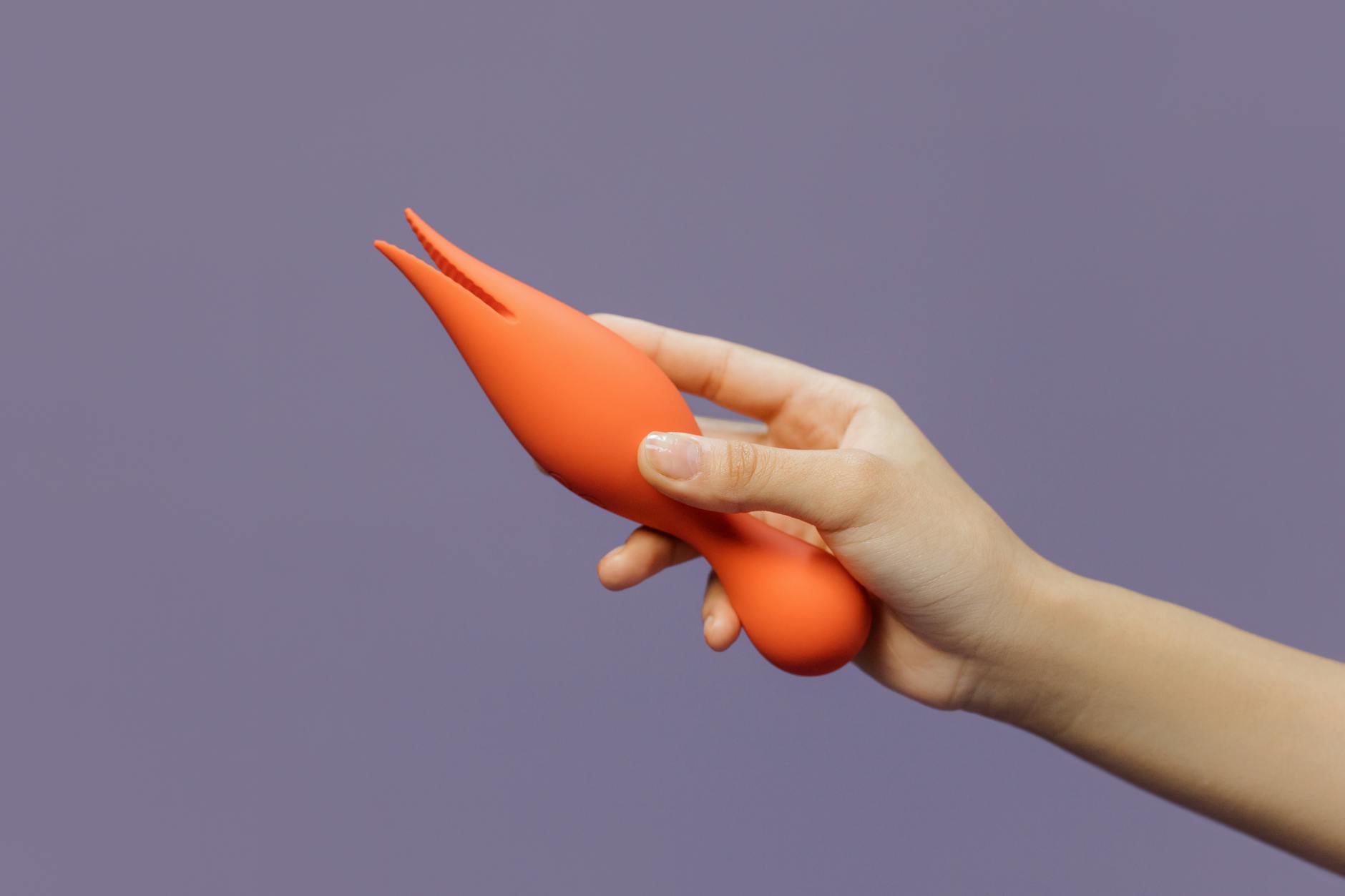
The moment sensitivity becomes a problem
You're with your partner. Things are good. Then the sensation shifts from "yes please" to "ow, too much" in about thirty seconds. Your clitoris goes from wanting direct touch to feeling raw, almost painful. Your partner notices you flinching and pulls back. The mood fractures. By the time you recover, the moment is gone.
This happens to a lot of people, and for good reason. Clitoral sensitivity isn't stable during partner sex. It spikes and dips based on arousal, blood flow, how long you've been touched, and honestly, what else is happening in your head. A lemon vibrator works differently than a traditional vibrator because it uses suction and pulsing instead of rapid vibration, which means you can actually control the intensity without stopping entirely.
Why clitoral sensitivity peaks during partner sex
When you're aroused with a partner present, blood rushes to your genital tissue. Your clitoris swells. The nerve endings become more reactive. In the first few minutes, this feels incredible. But if direct stimulation continues without pause, the nerve endings can become overstimulated. They send mixed signals: pleasure and discomfort happening at the same time.
This is especially true if your partner uses consistent pressure or rhythm. The clitoris needs variety. It needs breaks. It needs to anticipate, not just receive.
A lemon sucker like the Lem changes this dynamic because the suction sensation is different from direct pressure. It pulls rather than rubs. This means you can handle longer sessions of stimulation without the numbness or rawness that comes from traditional vibration. But even with a clitoral vibrator that uses suction, sensitivity still fluctuates.
How suction feels different when sensitivity spikes
Let's be specific about what happens with a lemon vibrator when you're feeling extra sensitive.
Traditional vibrators create friction. They move side to side, up and down. When your clitoris is overstimulated, friction feels terrible. It's like someone playing the same note on a piano over and over. You want them to stop.
A lemon clitoral vibrator uses gentle suction instead. It creates a different kind of pressure. Instead of friction, it's more like a soft pulse pulling the tissue. When you're sensitive, this often feels better because there's no grinding motion. You can stay engaged without that raw sensation.
But here's the catch: even suction can become too much if the intensity stays the same. Your body adjusts quickly. What felt perfect at pattern 1 might feel intense at pattern 2 after five minutes.
The pattern strategy for sensitive partners
If you're using a lemon vibrator during partner sex and sensitivity is an issue, this is what actually works:
Start lower than you think you need. Most people begin at pattern 3 or 4 on the Lem. When sensitivity is the problem, start at pattern 1 or 2. Yes, it feels gentler. That's the point. You're building sensation slowly.
Alternate between the vibrator and direct touch. Use the lemon vibrator for two minutes. Have your partner use their hand or mouth for thirty seconds. Then return to the vibrator. This rhythm prevents numbness and keeps sensitivity stable. Your clitoris stays reactive instead of adapting to constant stimulation.
Switch patterns mid-session. Don't stay on pattern 2 for ten minutes straight. After three minutes, bump up to pattern 3. After another three minutes, go back to pattern 2. This variety keeps your nerve endings alert and prevents that oversaturated feeling.
Use it during penetration, not just beforehand. Many couples use the Lem to warm up, then set it aside. Instead, keep it in play during penetration. The combination of internal and external stimulation changes the sensitivity equation. Your clitoris gets stimulation, but the focus is distributed. Less total intensity on one spot means you can handle longer.
Communication when sensitivity shifts mid-session
Here's what I tell couples: sensitivity changes are not a signal that something is wrong. They're a signal that your body is responding exactly as it should.
When your clitoris goes from "more please" to "ease up," pause and tell your partner. Specifically. "That feels too intense right now. Can you go back to pattern 1?" or "I need you to switch to your hand for a minute." Most partners are relieved to have clear direction instead of guessing.
If you're embarrassed about this, I get it. We're taught that good sex is seamless. But the couples I work with who communicate about sensitivity adjustments actually have better sex than those who grit through discomfort. Here's why: your partner gets to see you respond. They get to be part of the solution. That's intimate.
Why lemon vibrators work better than traditional vibrators for this issue
A standard vibrator uses oscillation. It's designed to create repetitive stimulation as quickly as possible. That works fine for some people. But for anyone dealing with sensitivity fluctuations during partner sex, the Lem and other lemon adult toys solve a specific problem.
With a lem vibrator, you have more control over intensity. The sensation is gentler and more consistent at lower settings. You can use it alongside a partner without it drowning out other sensations. And critically: you can adjust on the fly without breaking the mood.
When you're using a lemon clitoral vibrator with a partner, the goal isn't maximum stimulation as fast as possible. It's integration. The vibrator becomes part of the conversation, not a replacement for it.
The role of lubrication in sensitivity management
One thing people often miss: dry tissue feels more sensitive, not less. If you're experiencing sensitivity spikes during partner sex with a lemon vibrator, check your lubrication first.
Water-based lube is your friend here. It reduces friction without dampening sensation. Apply it generously before you start. Reapply every few minutes during longer sessions. This sounds basic, but I've worked with so many couples who assumed sensitivity was psychological when the real issue was simply that things were getting dry.
When you're properly lubricated, a lemon sucker glides more smoothly. The sensation is cleaner. Sensitivity still fluctuates, but the discomfort part shrinks.
When sensitivity signals something else
If every session leaves you feeling raw or bruised, that's different. That's not normal sensitivity fluctuation. That's potential tissue trauma.
Scale back intensity completely for a few days. If that doesn't help, see a gynecologist who specializes in sexual health. Sometimes sensitivity during partner sex points to something like vulvodynia or another condition that needs professional support.
But if your sensitivity is just the natural peak-and-dip of arousal, which is the norm, a lemon vibrator handles it better than almost any other tool because you have so much control.
FAQ: Lemon Vibrators and Sensitivity
Why does my clitoris feel more sensitive at the beginning of sex than at the end?
Blood is still arriving when you start. Your clitoris swells and nerve endings activate. The longer you're stimulated, the more your nerves adapt to the sensation. This is normal. It's why that first touch feels electric and the hundredth feels numb. With a clitoral vibrator like the Lem, you can vary intensity and pattern to reset this adaptation cycle.
Can I numb my clitoris on purpose with a lemon vibrator to last longer during partner sex?
Technically yes, but I wouldn't recommend it. Using a vibrator to numb yourself isn't pleasurable. It's avoidance. If lasting longer is the goal, focus on arousal control, breathing, or different positions instead. A lemon vibrator is better used to enhance sensation, not escape it.
Is it normal for my partner to feel hurt when I ask them to slow down or switch tools?
Not really, and it's worth addressing. If your partner interprets a request for intensity adjustment as rejection, that's something to work through together. Your sensitivity isn't a reflection of how much you want them. It's biology. A good partner understands the difference.
Should I use a lemon vibrator every time we have sex if I'm sensitive?
No. Use it when you want to. Some sessions, you might want direct hand contact. Other times, the Lem. Some nights, no toys at all. The point is having options. Sensitivity changes, and your toolkit should too.
Can my sensitivity settle down if I use a lemon vibrator regularly?
Yes and no. Regular use of a quality vibrator like a lemon clitoral vibrator can help you understand your sensitivity patterns better. You learn what you like. But the fluctuations themselves are normal. Your body will always respond differently depending on your cycle, stress, sleep, and arousal state. That's not a bug. It's how you work.
What pattern on the Lem should I use if I'm extra sensitive?
Start at pattern 1. Seriously. It's gentler than you expect. Patterns 1 through 3 are more nuanced than they seem because the Lem uses pulsing suction, not vibration. Even the lowest setting is effective. Many sensitive users find their sweet spot at pattern 2 or 3 and never go higher.
The takeaway
Clitoral sensitivity during partner sex isn't a flaw in your design. It's information. Your body is telling you when it needs variation, breaks, or a different kind of touch. A lemon vibrator, whether you're exploring one for the first time or returning to it, gives you the control to respond to that information without sacrificing pleasure.
The couples who have the best sex are the ones comfortable saying "not like that" or "let's try this" mid-session. Using a lemon sucker like the Lem makes those conversations easier because you have immediate, obvious ways to adjust intensity. You're not just asking your partner to guess better. You're showing them, in real time, what your body needs.
If you're interested in exploring how a quality lemon clitoral vibrator might work for your sensitivity during partner sex, check out our buying guide for detailed comparisons. And if you have other questions about using lemon adult toys or managing sensitivity, we're here to help. You can reach out anytime.
Your pleasure matters. Your sensitivity matters. The tools and communication that honor both of those things matter most.