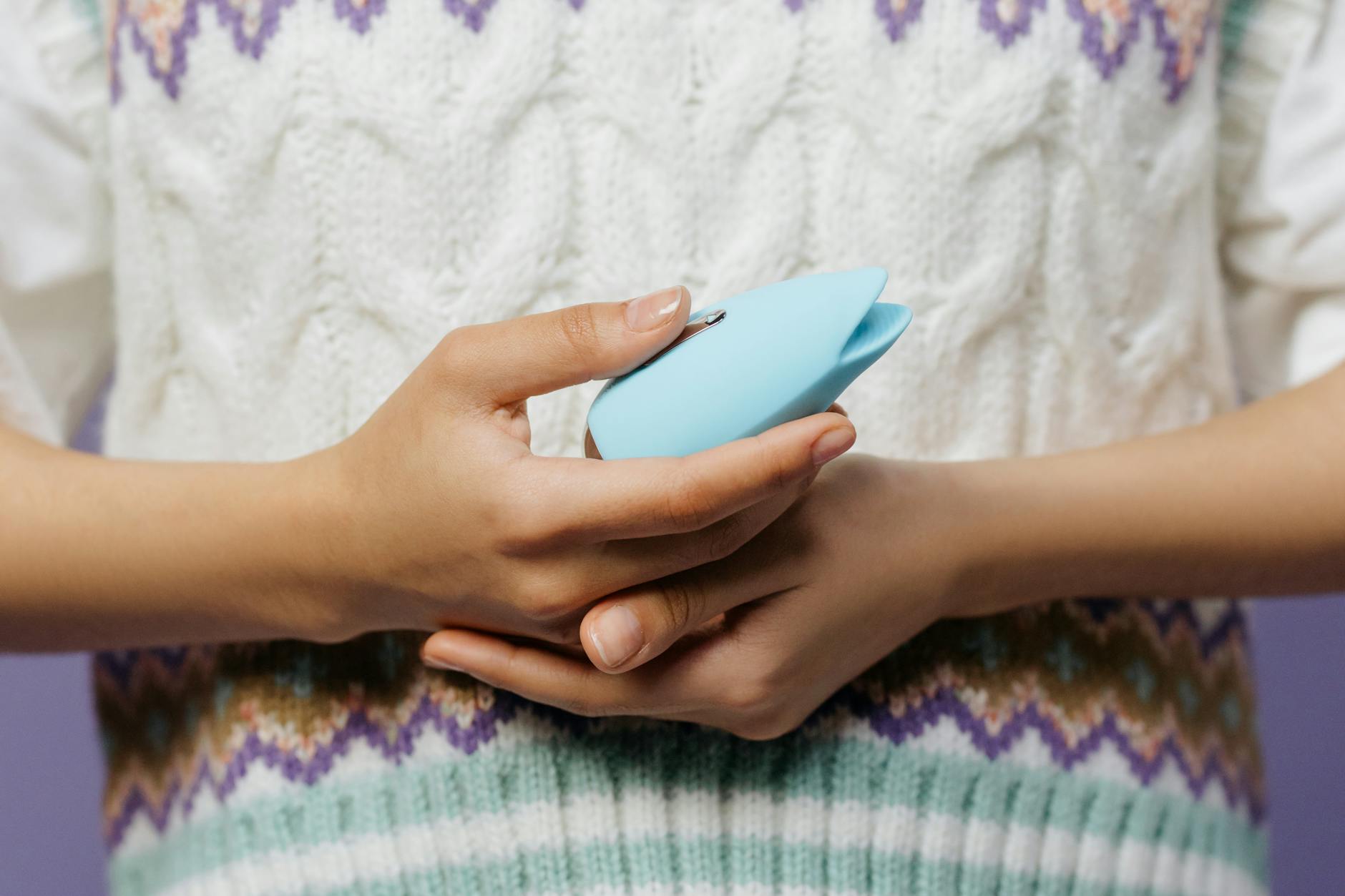
How to Use a Lemon Vibrator With Vaginismus or Pelvic Floor Tension
Honestly, if you have vaginismus, you've probably been told to relax. That advice is so useless it borders on cruel. Your pelvic floor isn't tight because you're anxious. It's tight because your nervous system has decided, at some unconscious level, that penetration is a threat. Telling someone with vaginismus to relax is like telling someone with a phobia to stop being afraid. The mechanism doesn't work that way.
Here's what actually helps: shifting the entire conversation away from penetration and toward pleasure that doesn't require your pelvic floor to cooperate. That's where a lemon vibrator enters the picture.
What vaginismus actually does to your body
Vaginismus is an involuntary contraction of the pelvic floor muscles triggered by the threat of penetration. It's a reflex, not a choice. Your body perceives entry as dangerous and locks down. This can happen whether you want penetration or not, whether you're aroused or not, whether you're with a partner or alone.
The muscle tension is real. The vaginal opening can become so tight that even a tampon feels impossible. For many people, this persists for years and gets worse with repeated attempts at penetration, because each attempt triggers the reflex again.
The pelvic floor is a complex group of muscles that controls everything from bladder function to the intensity of orgasm. When they're chronically clenched, you feel numbness, pain, pressure, or complete disconnection from sensation. Arousal becomes difficult because your nervous system is in fight-or-flight, not rest-and-digest.
Why penetration-focused tools don't work
Most conventional vibrators and sexual tools assume penetration is the goal. They stimulate internally or prepare the body for entry. If you have vaginismus, this creates a cognitive conflict: you're trying to enjoy pleasure while simultaneously fighting your body's protective response. The reflex wins. Always.
A lemon clitoral vibrator is different. The Lem by Get Lems uses gentle suction to stimulate the clitoris without requiring any pelvic floor relaxation. You're not working against your body. You're working with what your nervous system already allows.
Clitoral pleasure sits outside the vaginismus reflex. Your clitoris doesn't trigger the same protective response. Using suction-based stimulation lets you experience arousal, orgasm, and pleasure without ever asking your pelvic floor to do anything it's not ready for.
The nervous system piece that nobody explains
Vaginismus lives in your nervous system. To move past it, you have to teach your nervous system that pleasure is safe. This doesn't happen through force or exposure therapy. It happens through consistent, pressure-free experiences of arousal and satisfaction.
When you use a lemon vibrator alone, you're doing several important things at once. You're experiencing pleasure without pain. You're creating a new neural pathway that says "this body can feel good." You're learning what your arousal feels like when it's not interrupted by panic or tension.
Over time, as your nervous system gets comfortable with pleasure, the protective pelvic floor response often begins to ease. Not because you forced it to. Because you proved to your nervous system that safety was possible.
How to actually use a lemon vibrator with vaginismus
Start completely alone. No partner, no expectations, no performance. You need space to find out what pleasure feels like for you without any external pressure.
Focus on external stimulation only. Use the lemon vibrator on your clitoris, vulva, and the external pelvic area. You might eventually want to explore internal sensation, and that's fine. But there's no rush. Many people find that clitoral pleasure is genuinely more satisfying than penetration anyway.
Begin with low intensity. Settings 1 and 2 on most lemon vibrators are surprisingly effective. You're not trying to rush to orgasm. You're trying to teach your body that stimulation feels safe and good.
Let arousal build at its own pace. With vaginismus, arousal sometimes feels blocked or unusually slow. That's okay. You might need 20 or 30 minutes of gentle stimulation before you feel a shift. There's no right speed. Your body will tell you when you're ready.
Notice what happens without judgment. Does your pelvic floor tighten? That's information, not failure. Does numbness appear? That's also just information. You're learning the map of your own body.
When to involve a partner
If you have a partner and want to eventually include them, the foundation matters. You need at least a few weeks of solo exploration first. Your partner needs to understand that vaginismus is not about them and not about unwillingness. It's about nervous system protection.
When you do bring a partner in, start with external play only. Let them watch or join in using the lemon vibrator together on your clitoris. Keep conversation open about what feels good and what triggers tightness. Partners often feel rejected by vaginismus, and that burden makes everything worse. If your partner is willing to slow down and focus on pleasure rather than penetration, that willingness itself is healing.
The pelvic floor physical therapy angle
If you're working with a pelvic floor physical therapist, tell them you're using a lemon vibrator. A good PT will see this as useful data. They might suggest timing your use before or after your sessions. They might offer feedback on what the vibrator teaches you about your own pelvic floor patterns.
Physical therapy and pleasure-based exploration work together. PT helps you understand the mechanics. A lemon vibrator helps you rebuild the emotional and neurological safety around pleasure. Both matter.
The timeline is genuinely unpredictable
Some people with vaginismus find that consistent use of a lemon vibrator shifts things in weeks. Others take months. The outcome depends on how long the vaginismus has been present, what triggered it, what your trauma history looks like, and how your nervous system responds to safety.
Don't use the lack of rapid progress as evidence of failure. Vaginismus is a sophisticated protective mechanism. Your body is doing exactly what it's designed to do. Rewiring it takes time, consistency, and genuine permission to go slow.
When to involve a sex therapist
If you've been exploring solo for several weeks and nothing shifts, or if the pelvic floor pain gets worse, that's the time to bring in a sex therapist trained in vaginismus. This is different from regular therapy. A sex therapist understands the biomechanics and the neurology in a way that helps.
They might suggest graduated dilators, visualization work, breathwork, or partner communication strategies. They'll never push penetration. They'll work at your nervous system's actual pace, not the pace you think you should be at.
What pleasure can look like with vaginismus
Here's what I want you to know: people with vaginismus can have incredible orgasms. They can feel deeply aroused. They can experience satisfaction and connection. They don't have to force penetration to count their sexuality as legitimate.
A lemon clitoral vibrator gives you direct access to pleasure that your nervous system already knows is safe. That's not a consolation prize. That's the actual point.
FAQ: Vaginismus and Lemon Vibrators
Can using a lemon vibrator make vaginismus worse?
No, if you're using it for external clitoral stimulation only. The reflex is triggered by penetration or the threat of penetration. Suction-based stimulation on the clitoris doesn't activate it. That said, if you try to use a lemon vibrator internally before your nervous system is ready, you might trigger the reflex. Stay external until you feel genuinely ready to explore anything else.
How long until a lemon vibrator "cures" vaginismus?
It won't cure it in the medical sense, but consistent use can retrain your nervous system's response. Most people notice shifts in arousal capacity and pelvic floor ease within 4 to 8 weeks of regular solo use. Some take longer. Healing isn't linear. It's about building a new relationship with pleasure over time.
Should I use a lemon vibrator before or after pelvic floor physical therapy?
Both work well, but timing matters. Some PTs prefer you to use it after a session when your pelvic floor is already relaxed. Others say to use it independently. Ask your PT directly. They know your specific pattern and can give you timing advice that matches your goals.
Can a partner use a lemon vibrator on me if I have vaginismus?
Yes, but only after you've had solo experience with it first and only if the idea genuinely appeals to you. A partner-delivered lemon vibrator experience can feel different and sometimes triggering because of the relational dynamic. Go slowly, keep talking, and make sure you can pause or stop anytime.
What if I feel nothing when using a lemon vibrator?
Numbness and disconnection are common with vaginismus because your nervous system is in protective mode. Your body isn't broken. It's guarded. Consistent use, paired with therapy or PT, usually begins to restore sensation over weeks. If nothing shifts after two months of regular use, talk to a sex therapist about additional strategies.
Is a lemon sucker better than other clitoral vibrators for vaginismus?
The suction mechanism on a lemon vibrator feels fundamentally different from traditional vibration. For people with vaginismus, suction often feels less invasive and more intuitive. That said, your nervous system might prefer something else entirely. The point is to find what feels safe and pleasurable to you, and a lemon clitoral vibrator is one genuinely effective option.
Vaginismus isn't your fault, and it's not a permanent sentence. Pleasure is possible. It might look different than you expected. It might include different timelines and different approaches than conventional sex. But it's absolutely available to you.
If you're ready to start rebuilding your relationship with pleasure on your own terms, that choice itself is the first step. For more on using vibrators thoughtfully during recovery, read about gradual arousal and clitoral sensitivity. And if partner communication feels stuck alongside the physical piece, these strategies might help.