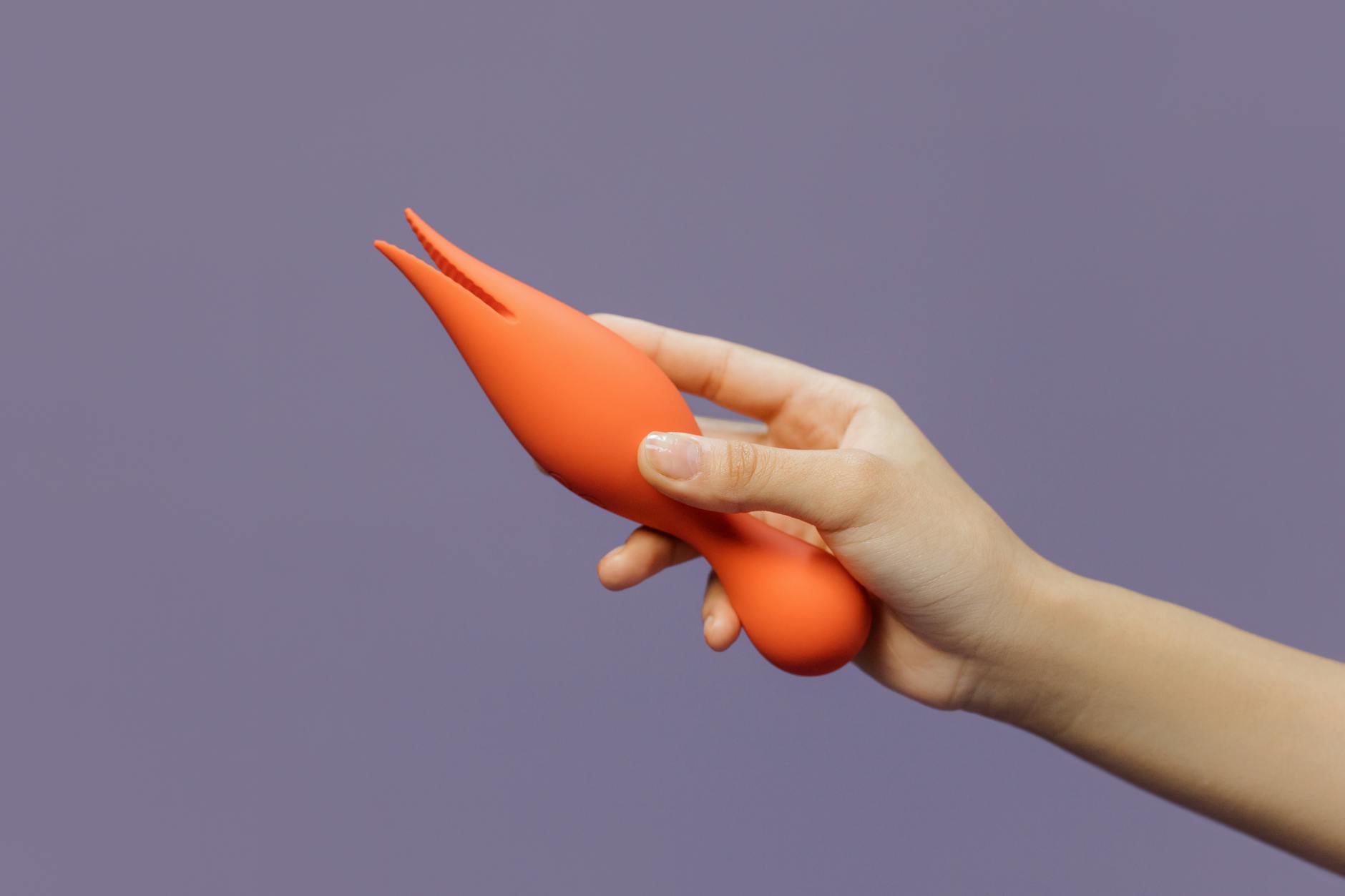
When medication changes pleasure (and why it's not your fault)
Honestly, this is one of the most underreported side effects of psychiatric medication, and the silence around it causes real damage. SSRIs, SNRIs, and anti-anxiety drugs can flatten desire, numb sensation, delay or prevent orgasm entirely. You're not broken. Your brain chemistry shifted. That's clinical, not personal.
Here's the thing: your doctor probably mentioned that some people experience sexual side effects, and then moved on. What they didn't say is that sensation changes aren't a one-size-fits-all problem, and clitoral vibrators like the Lem work in ways that can bypass or soften these effects entirely. Not a workaround. An actual different mechanism.
Why standard vibration doesn't cut it on antidepressants
When you're on an SSRI or SNRI, the issue isn't just reduced lubrication or slower arousal (though both happen). The drugs alter how your nervous system registers pleasure signals. Conventional vibrators rely on sustained friction and intensity to build toward orgasm. But when your nerve endings are chemically dulled, friction alone isn't enough.
Clitoral suction tools work differently. Instead of vibrating across tissue, they create rhythmic suction and release directly on the clitoris. This approach doesn't depend on the same sensory threshold. Because suction engages deeper nerve clusters and uses a fundamentally different stimulus pathway, many people on psychiatric meds find that clitoral suction achieves what regular vibration can't.
I've worked with dozens of couples where one partner is on antidepressants. The pattern is almost always the same: they try more intensity, faster settings, longer sessions. Nothing works. Then they switch to a clitoral suction toy and suddenly orgasm returns. It's not magic. It's physics meeting pharmacology.
The specific challenge with desire, not just sensation
Medication-related sexual dysfunction actually has two separate problems. The first is blunted sensation. The second, often worse, is flattened desire. SSRIs and SNRIs don't just make orgasm harder. They make you care less that it's harder.
This is where emotional context matters. Many people on psychiatric meds experience reduced libido as a side effect, which is actually a relief at first (no pressure, no distraction). But over time, it can damage relationships and self-image. The body stops signaling that pleasure is possible.
Unlike medication adjustment (which takes weeks and requires a prescriber's oversight), using a clitoral vibrator like the Lem doesn't require any systemic change. It's a tool that works with your current chemistry, not against it. The sensation alone can remind your body what pleasure feels like, which sometimes reignites the desire pathway.
How to actually use a lemon vibrator when you're medicated
Three principles:
Start lower than you think you need. Medication flattens sensation, so the temptation is to jump straight to the highest suction setting. Don't. Begin at setting 1 or 2 and spend 10-15 minutes there. Let your body acclimate to the stimulus. Antidepressant-dulled nerves need time to warm up.
Build lubrication intentionally. Your medication is suppressing natural lubrication. Water-based lube isn't a compromise. It's essential. Apply generously and reapply if sensation starts to fade. The goal is to reduce friction so your body can focus on the suction signal itself.
Separate arousal from orgasm in your mind. If you're on an SNRI, orgasm might still feel distant even when sensation returns. That's okay. Don't make orgasm the goal. Make sensation the goal. The Lem creates that for you, regardless of where your brain is. Often, when you stop chasing orgasm and just experience the sensation, orgasm follows.
Many people find that how to use a lemon vibrator when your body feels numb or unresponsive provides deeper strategies for navigating medication-dulled sensation generally, which overlaps with some of these approaches.
When to talk to your prescriber (and what to say)
Not all medications affect sexuality equally. Sertraline and fluoxetine (Zoloft and Prozac) are more likely to cause sexual side effects than some others. Tricyclic antidepressants hit desire hard. Benzodiazepines can reduce genital sensation.
If the side effect is severe, your prescriber has options. Dose reduction, medication switching, or adding a second med to counteract the sexual side effect are all legitimate clinical approaches. This isn't something you have to live with indefinitely.
But if you're stable on your current medication and don't want to risk changing it, a clitoral suction vibrator like the Lem is a legitimate strategy. Some clinicians now recommend trying sensation-based tools before jumping to medication adjustments.
The role of partner involvement (if you have one)
If you're in a relationship, your partner needs to understand that this isn't about them, their attractiveness, or your commitment. Psychiatric medication changes your neurobiology. Full stop. The best partners can separate that knowledge from their own ego, but it takes explicit conversation.
Using a clitoral vibrator with a partner when you're medicated can actually feel grounding because the focus shifts from "can I perform" to "can I feel this together." The vibrator becomes a shared tool rather than a replacement. Some couples find that this reframes the entire dynamic around pleasure.
If partner anxiety is strong, how to use a lemon clitoral vibrator with your partner without awkward tension walks through the actual conversation and positioning logistics.
Medication changes and sensation adjustments
If your prescriber ever changes your dose or switches your medication, your body's response to clitoral stimulation will likely shift too. Higher doses often deepen sexual side effects. Dose reductions might restore some sensation. Medication switches can swing wildly.
If you've found a rhythm with your Lem and then suddenly it feels different, don't blame the toy. Check whether your medication changed. The adjustment window is usually 2-4 weeks. Your nervous system will recalibrate.
This is why tracking is useful. Keep a simple note about what settings work, what sensation you feel, and when. If your medication changes, you'll have baseline data to understand whether the change is expected or worth flagging to your prescriber.
The psychological piece: permission and expectation
Here's something that gets overlooked. When you're on psychiatric medication and you're already struggling with reduced desire, there's often shame attached. You might feel like you "should" want sex more, or that needing a vibrator means you're broken.
You're not.
Clitoral vibrators, including clitoral suction toys like the Lem, are tools. Using one when medication has altered your neurobiology is the same as wearing glasses when your eyesight changes. It's adaptation, not defeat.
Many people find that once they give themselves permission to use a tool, the pleasure returns faster than expected. The physicality of it matters. Your body starts remembering sensation. Your brain starts reconnecting pleasure pathways. That's not weakness. That's biology working.
When to consider professional support
If sexual side effects are severe enough that they're affecting your relationship or your sense of self, a sex therapist can help. Not because anything is wrong with you, but because a professional can work with you and your partner to navigate the medication-pleasure intersection in ways that feel sustainable.
Some therapists specialize in medication side effects and can collaborate with your prescriber to find solutions. A few can also recommend specific tools or techniques tailored to your particular medication profile.
Frequently asked questions
Can I use a lemon vibrator if I'm on multiple psychiatric medications?
Yes. The more medications you're on, the more pronounced the sensation dulling might be, but the same principles apply. Start at low settings, use generous lubrication, and give your body time to acclimate. If you're on a combination that's particularly heavy (say, an SSRI plus a benzodiazepine plus an antipsychotic), sensation might take longer to build, but suction-based stimulation still often works better than standard vibration.
Will using a clitoral vibrator interfere with my medication?
No. The vibrator doesn't interact with your medication chemically. It's purely mechanical stimulation. Your prescriber won't need to know you're using one unless you want to tell them (and I'd actually recommend mentioning it if you're discussing sexual side effects, so they understand you're actively managing the problem).
What if the lemon vibrator feels numb too?
If even suction-based stimulation feels muted, it usually means either your medication is affecting sensation more severely than average, or you're not giving your body enough warm-up time. Try extending your warm-up to 20-30 minutes at the lowest setting. If numbness persists after that, it's worth having a follow-up conversation with your prescriber about dose adjustment or switching. Some people need medication changes before sensation returns fully.
Does clitoral suction work the same way on SSRIs as it does off them?
Yes and no. The mechanism is the same, but the threshold is higher. Off medication, you might reach intense sensation in 5 minutes. On an SSRI, it might take 15-20. Off medication, you might orgasm from the vibrator alone. On an SSRI, you might need more time or partner involvement. The tool does the same thing. Your nervous system's ability to register it changes with your chemistry.
Can I combine a lemon vibrator with other strategies to counteract medication side effects?
Absolutely. Aerobic exercise genuinely improves sexual function independent of medication. Kegel exercises strengthen the pelvic floor and can improve orgasm quality. Mindfulness or therapy addressing anxiety can reduce the mental overlay. A lemon vibrator is one tool in a kit. The more you layer in, the better your results usually are.
Will the side effects eventually go away on their own?
Sometimes. Your body adapts to medication over months or years, and sexual function can partially return. But for many people on long-term psychiatric meds, sexual side effects persist for as long as they're on the medication. That's not a failure. It's just a trade-off you're making for your mental health. A clitoral vibrator lets you enjoy pleasure within that reality.
What comes next
If you're on psychiatric medication and you've been assuming your pleasure is gone, it's not. It's changed. A clitoral suction tool like the Lem works with medicated bodies, not against them. Start low, be patient, use lubrication, and give yourself permission to need this tool without shame.
Your mental health is non-negotiable. So is your pleasure. Both can exist.
If you have questions about which Hello Nancy tool might work best for your specific situation, reach out to our team. We're here to help you find what actually works for your body.