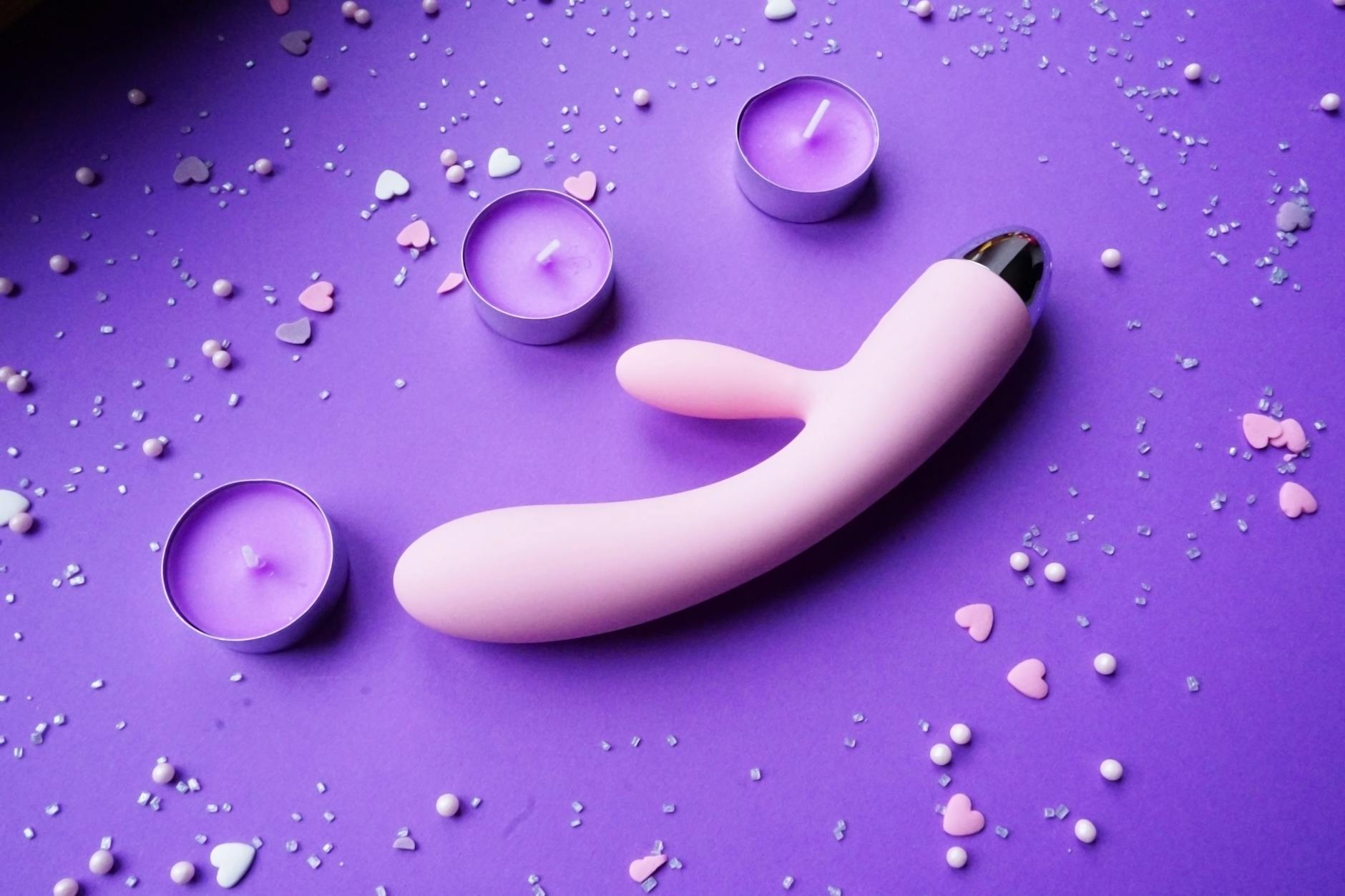
Let's talk about the season your libido forgot
Your sex drive drops in November. It stays flat through January. By February you're wondering if something's broken. Then spring hits and suddenly you're interested again. This is not random. This is not in your head. Seasonal desire fluctuation is measurable, common, and completely manageable once you understand what's happening.
The question isn't whether it's real. The question is: how do you adapt your pleasure practice to work with your body instead of against it?
Why your libido follows the seasons
Three overlapping systems drive this shift. Light exposure triggers the first one. Humans produce less dopamine and serotonin in winter when daylight shrinks. These neurotransmitters directly fuel desire. Less light equals less drive. It's not laziness. It's biochemistry.
Temperature and activity patterns drive the second. Cold weather keeps you indoors. You move less. Physical activity climbs desire through multiple pathways (increased blood flow, better mood, higher confidence). Winter inertia reverses all of that. Add the holidays, travel, family stress, and your nervous system is activated but not in a good way.
The third system is metabolic. Your body burns more calories staying warm in winter, which can suppress reproductive hormone signaling. Evolutionary biology packed this one in: your ancestors were supposed to conserve energy when resources were scarce. Your modern body still runs that ancient code.
Spring and summer amp things up
Warmer months trigger the opposite cascade. More light means more dopamine. Longer days = more movement = better cardiovascular function = easier arousal. Heat increases skin sensitivity and blood flow. Serotonin spikes. Partner availability (trips, time off work) and confidence (less covered-up clothing) all climb together.
For many people, desire peaks in May through August. Then it plateaus or dips slightly in September. Another smaller dip often happens in late November and December.
Honestly? Some people experience this as a feature, not a bug. Summer feels effortless. Winter feels like you have to work for it. Both are fine. But if you want consistent pleasure year-round, you need to adjust your tools and timing.
How lemon vibrators handle seasonal shifts better
A standard vibrator asks your body to reach a certain arousal threshold just to feel it. When you're already there (summer), it's perfect. When seasonal factors have dampened sensation (winter), you're working twice as hard to get the same result.
Lemon vibrators use air-pulse suction instead of plain vibration. Suction doesn't depend on high baseline arousal the way vibration does. It creates immediate sensation regardless of where you're starting from. This matters in winter when you're not naturally ramped up. You can use the Lem at lower intensities in winter and still get clear, satisfying stimulation. You're not fighting your seasonal neurobiology. You're meeting it where it is.
When spring arrives and your natural arousal is climbing, you can crank higher patterns and the suction sensation amplifies beautifully. The same toy adapts to both seasons without you needing to buy something new or change your technique entirely.
Adjusting patterns and intensity by season
Winter approach: Start lower. If you usually begin on pattern 3, try pattern 1 or 2. Spend more time with the warm-up. Your nervous system needs longer to downshift into pleasure mode when it's been stuck in stress-response. Budget 20-30 minutes instead of 15.
Also, change your setting. Winter sex in a bedroom that's cold and dark doesn't land the same as summer sex on a warm afternoon. Grab blankets. Light a candle. Turn up the heat 30 minutes before. Your environment signals to your body whether pleasure is possible right now.
Spring and summer approach: You can move faster through warm-up. Your body is already activated. Also use this season to explore higher patterns and longer sessions. Your nervous system has more bandwidth. If you've been intimidated by pattern 5 or 6, summer is when you experiment.
The partner complication in seasonal shifts
Here's where it gets tricky. If you're partnered, chances are your seasonal cycles don't match perfectly. One partner's desire peaks in summer. The other's flatlines in July and spikes in autumn. You end up on different timelines.
The mistake is framing this as a mismatch to fix. It's not. It's information. If you know your peaks and valleys, you can plan around them. "Hey, I know I'm usually lower in January. Let's focus on solo time with the Lem then instead of expecting partnered sex." That's not rejection. That's honesty.
Or: "I know June is your season. Let's clear the calendar." That's generosity baked in real data.
The lemon clitoral vibrator specifically helps here because it works solo or partnered. In winter when one person is flagging, the other can use it for their own pleasure while the lower-desire partner watches or engages at their own pace. No performance pressure. Just sustained connection to your own body.
Seasonal light therapy and what it actually does
Light therapy boxes (10,000 lux for 20-30 minutes daily) genuinely help seasonal desire dips by bumping dopamine and serotonin. They're not a magic fix but they're evidence-based. If you're dealing with seasonal depression or consistent winter flatness, it's worth trying.
Same logic applies to morning walks even in cold weather. 15 minutes of outdoor light (even gray light) does more for your nervous system than you'd expect. More light and movement together = faster dopamine rebuilding.
None of this replaces the Lem or other tools. But it stacks well. Light therapy plus consistent pleasure practice plus movement creates a rhythm that makes seasonal shifts feel less dramatic.
When seasonal fluctuation masks something else
If your desire doesn't come back when the season shifts. If spring arrives and you're still completely flat. If the pattern has changed (you usually peak in summer but now you don't). That's worth checking out.
Sometimes seasonal fluctuation gets mixed up with depression, medication side effects, relationship fatigue, or hormonal changes that look seasonal but aren't. A therapist or doctor who understands this distinction is valuable. We can't assume every winter flatness is just the darkness.
But if you've had this rhythm for years and it's predictable and it lifts? That's seasonal. You're not broken. You're regular.
FAQ
Does vitamin D actually help seasonal libido changes?
Partially. Low vitamin D correlates with lower mood and can amplify seasonal depression, which dampens desire. But vitamin D supplementation alone doesn't fix seasonal desire dips the way light exposure does. Vitamin D matters for baseline health, not for the arousal mechanism specifically. Take it if you're deficient. Don't expect it to solve winter flatness on its own.
Can I use a lemon vibrator the same way in winter as summer?
Technically yes. Practically, you'll get better results if you adjust. Lower patterns in winter, higher in summer. Longer warm-up in winter. Your body responds to seasonal biochemistry. The Lem is sensitive enough to work with that shift instead of against it. That's the advantage over standard clitoral vibrators that demand consistent baseline arousal.
What if my partner and I are on completely opposite seasonal cycles?
You're not alone. It's common for one partner to want more in winter and the other in summer. The first move is naming it without shame. "I know you peak in June and I peak in October. That's okay." From there, you can schedule time around peak seasons, use solo tools (like a lemon clitoral vibrator) during off-peak times to stay connected to your own pleasure, and let your partnered sex scale up and down without it meaning something's wrong with the relationship.
Should I try a lemon sucker if seasonal shifts mess with sensation?
Yes, especially if winter numbness is part of your pattern. Suction wakes up sensation in a different way than vibration. People often report that when vibration feels muted seasonally, suction still lands clearly. So a lemon vibrator or lemon adult toy using suction can be the bridge that keeps you engaged in winter when other tools feel less responsive.
Does the Lem work for seasonal desire drops during perimenopause?
Seasonal shifts layer on top of hormonal fluctuations in perimenopause. Both are happening at once. The Lem handles both. It's sensitive enough for reduced sensation during hormonal valleys, and powerful enough for arousal peaks during hormonal surges. The seasonal component becomes one variable among several, but the lemon clitoral vibrator still adapts better than standard vibration alone.
Is seasonal sex drive loss the same as depression?
Not exactly. Seasonal desire dip is normal and cyclical. Seasonal affective disorder (SAD) is clinical depression triggered by seasonal light loss. The two can happen together. If you have seasonal depression (low mood, fatigue, sleep changes, concentration issues), that's worth treating with light therapy and professional support. Desire flatness is usually part of that picture, not separate. If it's just desire with no other mood symptoms, it's probably pure seasonal cycle.
Your body knows the seasons. Work with it.
Stop expecting your libido to feel the same in November as it does in July. It won't. Your lemon vibrator, your nervous system, your mood, your energy. they're all responding to real environmental signals. That's not a flaw in your design. That's nature.
The move is building a pleasure practice that adapts. Lower intensity in winter, higher in summer. Longer warm-up when you need it. Permission to shift your expectations with the light.
Your desire isn't broken. It's seasonal. And once you stop fighting that, you can actually enjoy every part of the cycle. Ready to explore how your body shifts with the year? Start with the Lem and notice what changes. Then reach out if you want to dig deeper into your specific pattern.