
Let's be real about the timeline
Recovery from trauma, surgery, or extended numbness doesn't move in straight lines. You're told "six weeks" or "eight weeks" and then week nine arrives and your body is still not where the timeline says it should be. That gap between expectation and reality is where a lot of people quit. They assume something is broken. Usually, it's just slow.
A lemon vibrator works differently during recovery because it doesn't demand anything from your body. It doesn't require traditional arousal. It doesn't depend on your nervous system being "ready." It just gently wakes up the nerves without pressure, which is exactly what slow healing needs.
Why sensation rebuilding takes longer than you think
When you've been numb for months or years, or when your body has been through something traumatic, the neural pathways that carry pleasure signals get quiet. They don't disappear. They just need time and gentle, repeated stimulation to wake up again.
Think of it like a muscle that hasn't been used. You wouldn't expect it to work perfectly on day one. The same applies to your clitoral nerves. They've been offline. Bringing them back online is a process, not a switch.
One thing that slows this process is pressure. If you jump straight to intense stimulation, your nervous system tightens instead of opening. The lemon's air-suction technology changes this equation completely. It creates a gentle vacuum around the clitoris instead of direct vibration. No friction. No overwhelming intensity. Just a soft, consistent sensation that your nervous system can recognize as pleasure without threatening it.
The exact settings that work for slow recovery
Start at pattern 1 or 2 on the lemon clitoral vibrator. That's it. You're not looking for an orgasm yet. You're teaching your body that this sensation is safe and good.
Use it for 5 to 10 minutes, three to four times a week. Short sessions. This is about consistency, not duration. Your nervous system learns through repetition, so showing up regularly matters more than going deep.
If you feel any tension in your pelvic floor during the session, stop. This is information. Tension means your nervous system is protecting itself, and pushing through will undo the work. Instead, take a breath, pause for 30 seconds, then try again at pattern 1. Go slower. This isn't a race.
Once pattern 1 feels neutral (not exciting yet, just not startling), try pattern 2 for a few sessions. The lemon's patterns move slowly, which is a feature during recovery. You're not jumping from zero to a hundred. You're incrementally teaching your nervous system that sensation is happening and it's okay.
Lubrication and sensation sensitivity
If you're recovering from surgery or sustained numbness, tissue sensitivity can be unpredictable. Some days it's sore. Some days it feels like nothing at all. Both are normal.
Always use water-based lubricant with a lemon vibrator. Even if you feel "wet enough," the lube isn't really about moisture. It's about reducing friction and creating a buffer between the toy and tissue that's still rebuilding its protective layers. The glide that lube creates means your body can focus on pleasure instead of working to keep the toy comfortable.
Apply lube generously and reapply it halfway through if you're doing longer sessions. Your comfort matters more than following instructions. If you need more lube, use more lube.
Managing expectations inside and with a partner
Here's where a lot of recovery gets derailed. Your brain might expect that once you start using a lemon vibrator, pleasure should come roaring back. That's not how nervous systems work after trauma or extended numbness.
You might use the lemon for two weeks and feel nothing but a dull sensation. Then week three hits and suddenly there's a tingle. Week five might bring something closer to arousal. That's not a malfunction. That's the actual timeline of neural rewiring.
If you're with a partner, tell them this part before you start. Say something like: "I'm working on rebuilding sensation and it's going to be slow. I might not feel pleasure right away, and that's information about my healing, not about you or us." This separates your recovery from the relationship's temperature. Your partner can support the process without becoming invested in the orgasm outcome.
When to pause and when to keep going
Pain that feels sharp or burning is a stop sign. Numbness or dullness is not. Dullness is actually a good sign. It means the nerves are waking up enough to register sensation, even if it doesn't feel like much yet.
Some people recover faster using the lemon alongside other practices. Pelvic floor physical therapy helps. Somatic breathing helps. Solo touch without the toy helps. You don't have to choose one path. Recovery gets faster when you're working with your body's timeline from multiple angles.
If you've been using the lemon consistently for four weeks and you're not noticing any change at all, that's worth checking in with a pelvic health therapist or a trauma-informed gynecologist. Sometimes recovery needs outside support. That's not failure. That's assessment.
The pleasure that comes after patience
One thing I see consistently with people who move through recovery slowly and deliberately: when pleasure does return, it's often more textured than before. They notice sensation more. They're less numb to their own body.
The lemon clitoral vibrator accelerates this kind of rich recovery because it wakes up the nerves without overwhelming them. You're not fighting through numbness with force. You're inviting sensation back with gentleness.
Recovery isn't linear. Some weeks you'll feel progress. Some weeks you'll feel stuck. Stick with the tool anyway. Your nervous system is learning. That learning takes time.
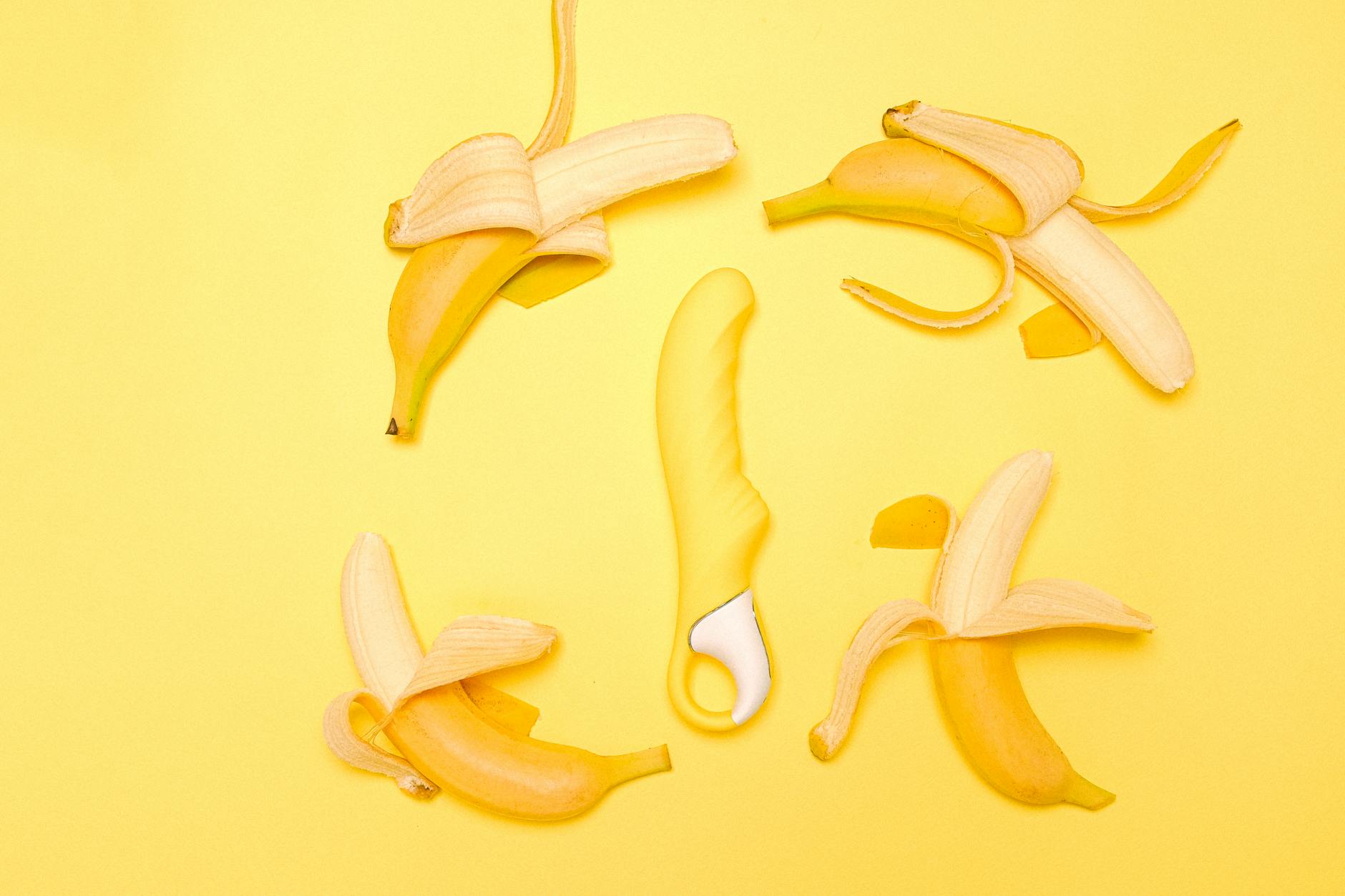
Photo by Anna Shvets on Pexels
FAQ: Recovery and Rebuilding Pleasure
How long until I feel something with a lemon vibrator after trauma or surgery?
Timelines vary widely. Some people notice subtle sensation within two weeks. Others take six to eight weeks. The key is consistency rather than intensity. Using the lemon three to four times a week at low patterns is more effective than sporadic intense sessions. Your nervous system learns through repetition. If you're not feeling anything after four weeks of consistent use, check in with a pelvic health therapist to rule out other factors.
Can I use a lemon vibrator if I have pelvic floor dysfunction or tension?
Yes, but with care. Pelvic floor tension actually responds well to the gentle air-suction sensation of a lemon clitoral vibrator because it doesn't trigger the same defensive response as direct vibration. Start at the lowest pattern and stop immediately if you feel your pelvic floor tightening. Learning to recognize and release tension is part of recovery. A pelvic floor physical therapist can help you understand what you're feeling and how to work with it safely.
Is it normal to feel nothing for the first few weeks?
Completely normal. Numbness isn't the absence of nerve function. It's the absence of your nervous system's permission to register sensation as pleasure. When you've been through trauma, your body has good reasons for turning off sensitivity. Rebuilding it requires time and repetition. Patience isn't giving up. It's honoring how your body actually heals.
Should I use the lemon during partner sex while I'm still recovering?
That depends on your comfort level and your partner's. Some people find that adding the lemon during partnered sex helps them access sensation they might otherwise miss. Others prefer to keep solo sessions and partnered intimacy separate during early recovery. There's no rule. Whatever feels safest to your nervous system is correct. If your partner wants to be involved, they can hold the lemon or simply be present while you use it. Communication about what you need matters more than any specific approach.
What should I do if using the lemon causes pain or increased numbness?
Stop using it and check in with a healthcare provider. Pain is information, and so is worsening numbness. Sometimes increased numbness after stimulation means your nervous system is protecting itself. Sometimes it means the approach needs adjusting. A pelvic health therapist or trauma-informed doctor can help you figure out which. Recovery isn't about pushing through discomfort. It's about working within your current capacity and slowly expanding it.
Can I combine the lemon with other healing practices?
Yes. The lemon works alongside somatic therapy, pelvic floor physical therapy, talk therapy, meditation, or any other recovery tool. You don't have to choose one path. Many people find that using the lemon a few times a week plus working with a therapist creates faster, more sustainable recovery than either tool alone. Your body is complex. Supporting recovery from multiple angles honors that complexity.
Moving forward
Recovery from numbness, trauma, or surgical healing isn't about forcing pleasure. It's about creating the conditions for your nervous system to remember that sensation and pleasure are possible again.
A lemon vibrator is a tool that respects this timeline. It works gently. It asks nothing. It just creates an opportunity for your body to wake up at its own pace.
Trust that pace. Your body knows what it's doing. If you want support navigating recovery alongside a partner or exploring what's possible as sensation returns, reach out. That's what we're here for.