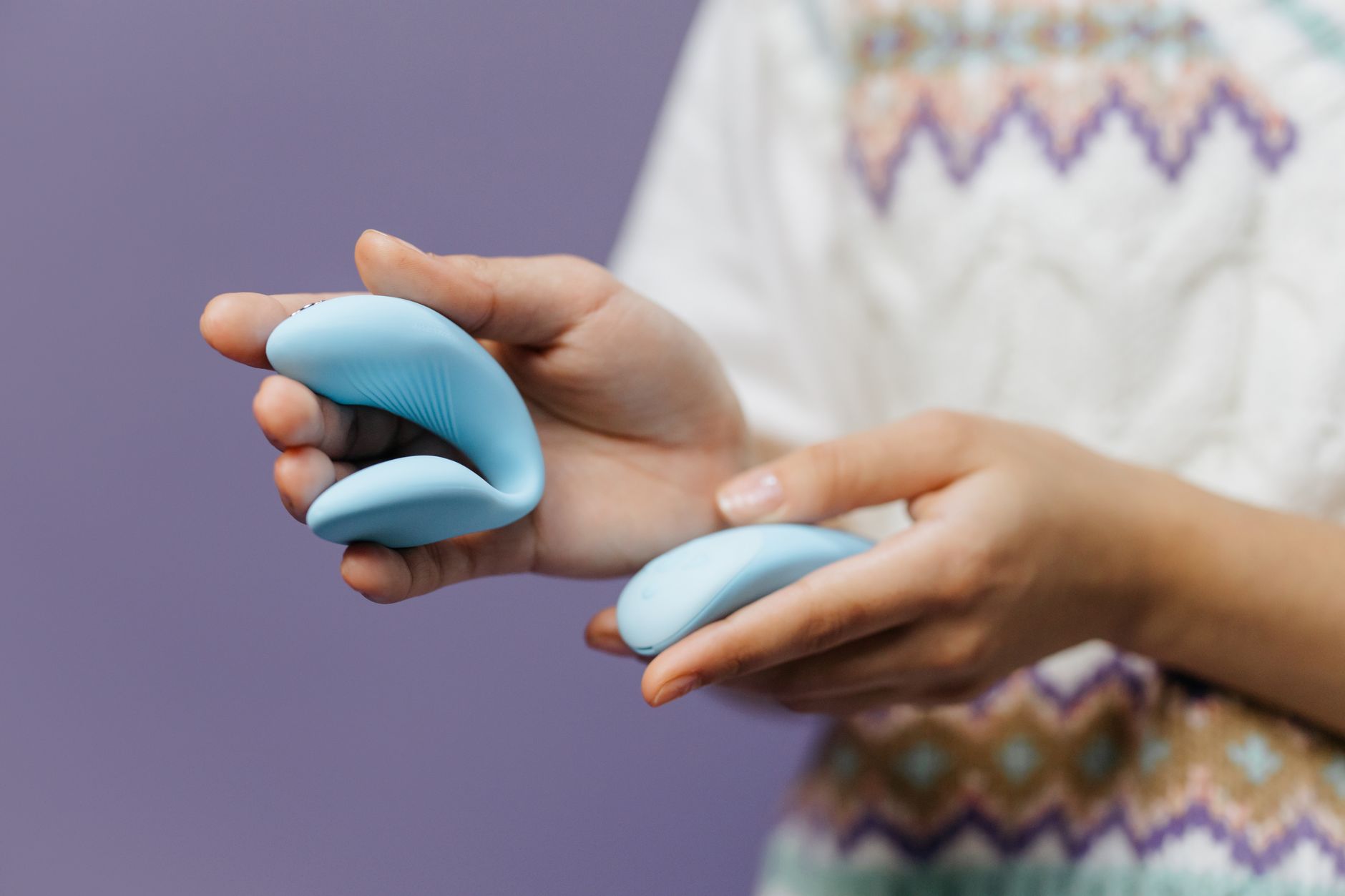
When desire goes misaligned
Let's be real. One of you wants sex more often. The other doesn't. Neither of you is broken. Neither of you is wrong. But the gap between what you want and what's happening has started to feel like a problem, and maybe like a referendum on the relationship itself.
Here's what I see in my practice: couples assume the solution is for the lower-desire partner to want more, or for the higher-desire partner to want less. Both are traps. The real work is learning to stop performing arousal for your partner and start reconnecting with your own pleasure as its own thing. A lemon vibrator can be that bridge.
Why this mismatch happens (and it's not what you think)
Desire doesn't live in a vacuum. It lives in context. When one partner initiates consistently and the other consistently declines, something shifts. The initiator starts to feel rejected. The other partner feels pressured. Neither of you is having sex because you want to anymore; you're having sex (or not having it) because of what it means.
Sometimes the lower-desire partner genuinely has a biological reason. Stress. Hormonal shifts. Medication. Fatigue. But often, the mismatch isn't about capacity for desire. It's about feeling safe enough to want.
When someone's been asked repeatedly and said no repeatedly, saying yes starts to feel like appeasement. That kills desire faster than anything. So your partner isn't being withholding. They're protecting themselves from being touched when they don't actually want to be.
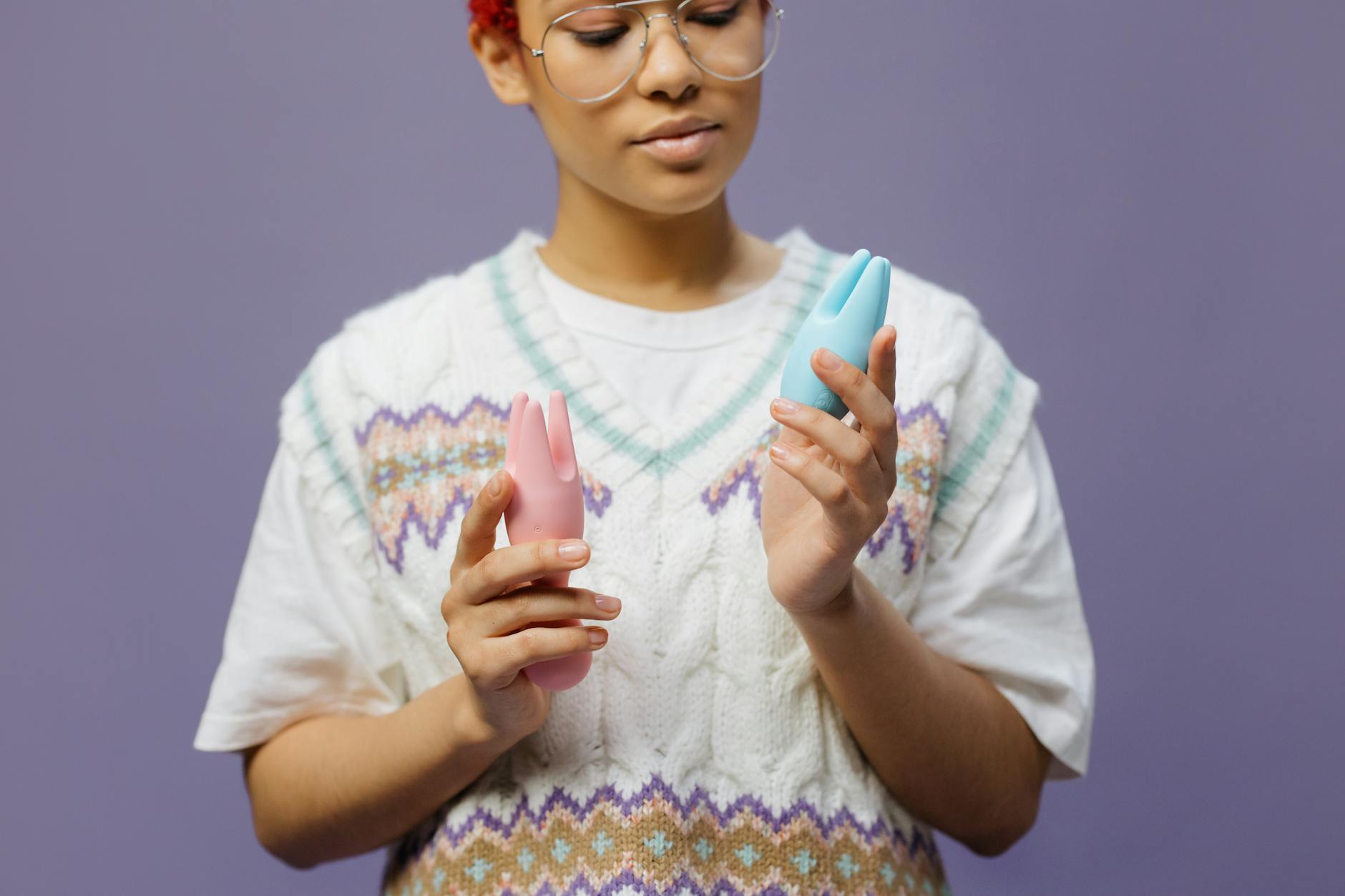 Photo by cottonbro studio on Pexels
The permission problem no one talks about
I work with couples where the higher-desire partner has been carrying the entire weight of initiating. They've learned to read the room, sense rejection, and manage their own disappointment. That's emotionally exhausting. But here's what happens next: the lower-desire partner never gets to initiate from their own internal spark. They're always responding to someone else's request.
When you introduce a lemon vibrator into this dynamic, something shifts. Suddenly, pleasure becomes something you generate for yourself. Not something you do when your partner asks. Not something you do to keep your partner happy. Your pleasure. Your arousal. Your orgasm.
For the lower-desire partner, this is often the first time in years they've experienced sex as something they chose, not something they accommodated. That's not insignificant.
How to actually talk about this
Don't lead with "We need to fix our sex life." That framing assumes something is broken. Instead, try: "I miss feeling close to you, and I'm realizing I've been making it about how often we have sex instead of what kind of connection we actually want. Can we try something different?"
Then separate the two conversations that usually get tangled.
Conversation one: What's happening biologically and emotionally for the lower-desire partner. No judgment. Just information. Are they stressed? Do they feel pressure? Is their body responding differently? Are they actually interested in sex but exhausted about negotiating it?
Conversation two: What the higher-desire partner needs. Not to have more sex necessarily, but to feel wanted, to feel that their partner enjoys their body, to feel connected.
Once you've had those conversations, the path forward is usually clearer. And a lemon clitoral vibrator becomes a practical tool, not a desperate measure.
Using a lemon vibrator when desire feels unequal
Start here: the lower-desire partner uses it alone first. Not for your partner. Not to "work up to" partnered sex. For themselves. Explore what makes them feel good. What patterns. What intensity. What mental space they need.
This does something crucial. It separates arousal from obligation. If you're using a lemon vibrator and you orgasm, that's your pleasure. That's you in charge of your own body. That's fundamentally different from "trying harder" in partnered sex.
Once that's comfortable, you might explore using it together. But here's the key: not as foreplay, not as something that leads to partnered sex, not as something you're doing to satisfy your partner. Use it in the presence of your partner, but for you. Your partner can watch, can touch you, can be close. But the pleasure is yours.
What typically happens next is that watching your partner orgasm, watching them be genuinely aroused and not just accommodating, actually reignites desire in the other person. Not because they feel obligated to reciprocate, but because they're seeing their partner in real pleasure.
When a lemon vibrator isn't enough
If the lower-desire partner is still feeling coerced or resentful, a vibrator won't fix that. The real issue is probably emotional safety or relationship trust, and those need direct conversation first. A lemon vibrator can support intimacy, but it can't repair a fractured sense of safety.
Similarly, if the higher-desire partner is using the vibrator as a workaround instead of having honest conversations about the mismatch, you're just deferring the problem. The question isn't how to outsource your partner's arousal. It's how to reconnect without pressure.
That said, sometimes a vibrator does something that conversation alone can't. It gives you permission to stop performing. It gives you a way to experience pleasure that exists outside the negotiation of your relationship. That's worth something.
The path forward
Desire mismatches don't resolve by one person giving the other what they want. They resolve when both people feel genuinely safe wanting. When you're not keeping score. When you're not making your partner's desire (or lack of it) mean something about your attractiveness or your relationship.
A lemon vibrator can be part of that. It's a tool that lets you take your pleasure back. Not instead of your partner. Just for yourself. And weirdly, that's often what helps a partner fall back in love with sex in the first place.
FAQ
Can a lemon vibrator actually help when my partner doesn't want sex?
Not by itself. But it can help shift the dynamic from "How do I get my partner to want sex" to "How do we both experience our own pleasure without pressure." A lemon clitoral vibrator is particularly good at this because it works quickly and intensely, which means you don't have to spend a long time in a vulnerable position. You can explore pleasure on your terms.
Should I use it in front of my partner or alone first?
Alone first. Get to know your body and what actually feels good to you without the complexity of your partner's presence. This isn't selfish. It's foundational. Once you know what you want, introducing your partner becomes a choice, not a performance.
What if my partner feels threatened by my using a vibrator?
That's a conversation worth having directly. Sometimes partners worry a vibrator means they're not enough. Reassure them: pleasure and connection are different things. A lemon vibrator is about feeling good. Partnered intimacy is about feeling close. Both can exist. If your partner continues to feel threatened, that might point to deeper insecurity that needs attention, possibly with a couples therapist.
How long does it usually take for things to improve?
There's no standard timeline. Some couples reconnect in weeks once they stop treating sex as a problem to solve. Others take months of rebuilding trust and communication. What matters is that both people are genuinely trying, and that you've shifted from "making sex happen" to "creating space for desire." A lemon vibrator helps with that space.
Can we use a lemon vibrator together during partnered sex?
Absolutely. But I'd recommend the lower-desire partner uses it first alone, so it doesn't feel like another form of obligation. Once it feels like genuine pleasure, then yes, it can be a wonderful part of coupled intimacy.
What if we try this and nothing changes?
Then the mismatch is probably deeper than desire. It might be resentment, communication patterns, or fundamental incompatibility in what you each need from a relationship. Those things need professional support. A therapist who specializes in couples dynamics, particularly around desire and intimacy, can help you figure out if this is workable or if you need to make bigger changes.
The real work
Using a lemon vibrator when your partner's interest in sex has dropped is less about the vibrator and more about what it represents. Permission. Autonomy. Pleasure that isn't negotiated or performed. Once both of you have that, you can actually choose each other again. And that's when sex becomes interesting.
If you're ready to explore this for yourself, a lemon clitoral vibrator is a gentle, intuitive place to start. And if you're navigating this mismatch and want guidance on communication or rebuilding intimacy, I'm here to help. Reach out anytime.