The thing nobody tells you about emotional distance and physical pleasure
Here's what I see in my practice all the time. A couple comes in, and one partner says, "I don't feel anything anymore." They mean it literally. Touch doesn't register. Intimacy feels numb. And their first instinct is to assume something is wrong with their body.
But the nervous system doesn't separate emotional and physical. When you're emotionally distant from someone, your body is already in a self-protection mode. Arousal requires vulnerability. Your nervous system knows the difference.
Why emotional disconnect kills sensation
When there's unresolved tension, unheard needs, or just years of operating on autopilot with your partner, your body downregulates. Your nervous system literally turns down the volume on pleasure signals as a protective mechanism. This isn't weakness. It's your body being smart.
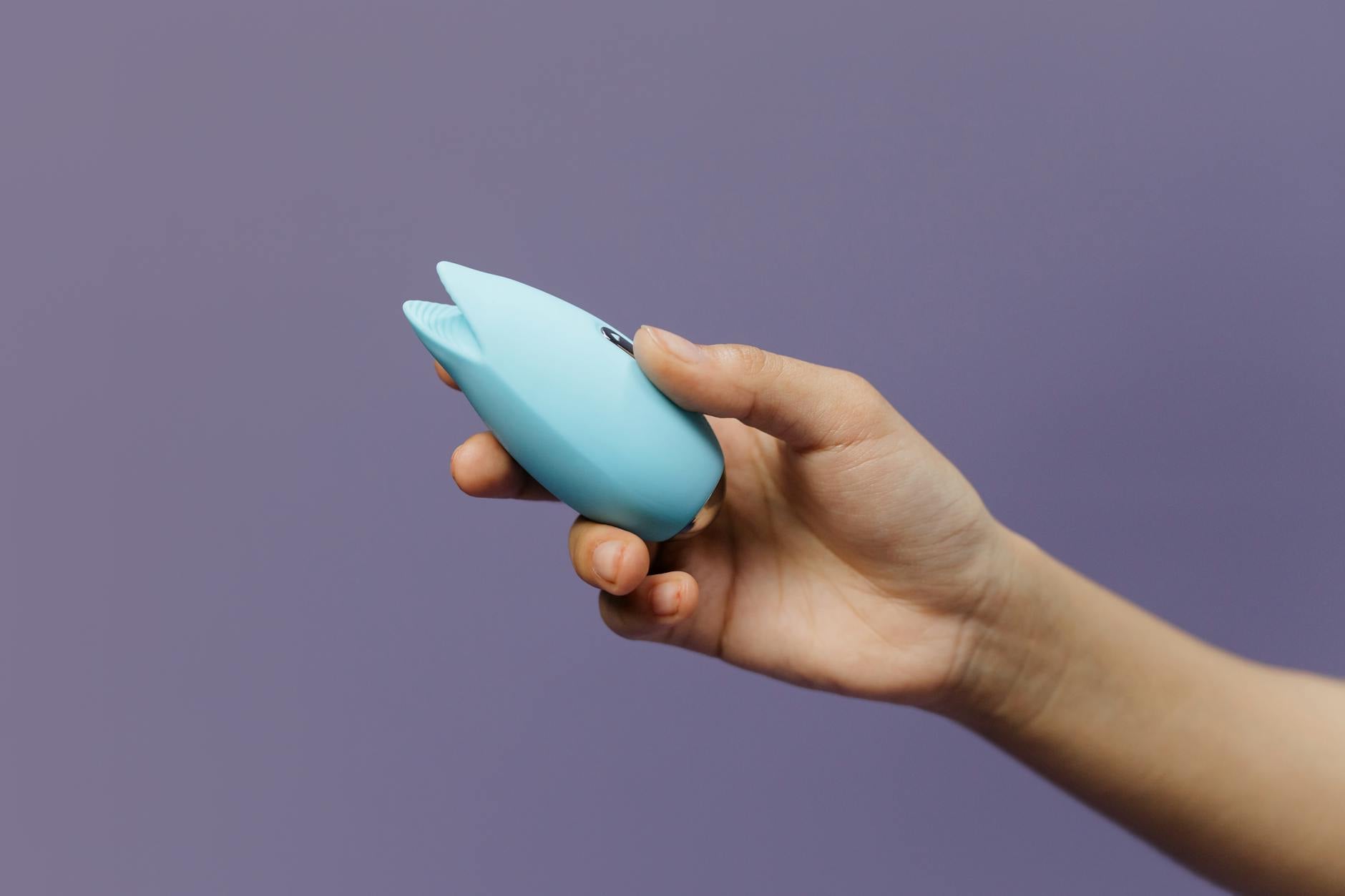
A lemon clitoral vibrator can't fix that directly. But it can help you rebuild the sensory channel while you're also doing the emotional work.
Here's the catch that matters: many people try using a clitoral vibrator when they're emotionally disconnected and then feel nothing, which makes them think the toy doesn't work or that something is genuinely wrong physically. Nothing is wrong. Your nervous system is just prioritizing safety over sensation.
The solo prep work comes first
Before you use a lemon vibrator to reconnect with your partner, you need to reconnect with yourself alone. This sounds obvious, but I mean it specifically.
Spend a week doing solo sensation work with zero goal of orgasm. Put your phone in another room. Set a timer for 20 minutes. Use your hands, then add a lemon vibrator on the lowest setting. Don't try to climax. Just notice what you feel. Temperature changes, pressure, the specific buzz pattern, whether you prefer circular or pulsing.
Your nervous system needs to remember that you can feel things. That touch is safe. That pleasure is available to you, separate from anyone else.
Most people skip this step and go straight to partnered use, which means they're layering emotional work on top of sensory reawakening, which is too much at once.
Building the bridge back to your partner
Once you've done maybe three or four solo sessions, the conversation with your partner shifts. Not "I need you to turn me on more." Instead: "I've realized I've been checked out, and I'm working on reconnecting with my own body. I'd like to explore that with you, slowly."
Notice the difference. The first conversation is a complaint. The second is an invitation.
Then, here's the specific move: use the lemon vibrator together, but not during sex. Not with the goal of getting to orgasm. Instead, spend 15 to 20 minutes just exploring sensation as a pair. They hold the vibrator. You direct it. You tell them what feels good. They listen.
This is radically different from using it during penetration or as a shortcut to climax. You're rebuilding communication. You're practicing vulnerability in a low-stakes way. And you're training your nervous system to trust them again, slowly.
What happens when you skip the emotional work
I've had clients come back and say, "I got the lemon vibrator, but using it with my partner just highlighted how disconnected we still are." That's actually useful information. The vibrator didn't cause that feeling. It revealed it.
If you're reaching for a clitoral vibrator as a way to avoid the real conversation, your body will know. The pleasure won't land.
You have to be willing to say the hard things first. "I don't feel connected to you." "I've been going through the motions." "I need us to slow down and rebuild trust." Then the vibrator becomes a tool for reconnecting, not a Band-Aid for avoidance.
The specific way lemon vibrators help with emotional distance
Once you've done the solo work and started the conversations, a lemon vibrator is genuinely useful. Here's why.
The suction pattern on a lemon clitoral vibrator feels more like touch than a traditional vibrator does. It's gentler entry back into sensation. You're not jumping straight to intense vibration. You're building up from a softer place.
Second, the pattern variety on a lemon vibrator means you can use it for extended periods without overstimulation. When someone is emotionally guarded, overstimulation triggers shutdown, not arousal. The ability to shift between three or four different patterns keeps sensation novel without being jarring.
Third, and this is crucial, the size and shape of a lemon vibrator make it partner-friendly. Your partner can use it on you while you're looking at each other, talking, staying connected emotionally while rebuilding physical sensation. You're not disappearing into your own body. You're inviting them in.
The timeline you should expect
Rebuild happens slowly. If you've been emotionally distant for years, you're not getting back to baseline arousal in a week.
Weeks one through three: solo sensation work. You're just waking up nerve endings. You might not orgasm. That's fine.
Weeks four through six: partnered exploration. The lemon vibrator becomes part of foreplay, but not the main event. You're talking through what feels good. You're practicing asking for what you want.
Weeks seven onward: actual integration. The vibrator becomes a natural part of your sexual rhythm, and more importantly, the emotional reconnection is deepening.
If you're not seeing shift by week six, that's a signal that there's deeper emotional work that needs a therapist, not a toy.
When to know the vibrator is actually helping
You'll feel it in small ways. You'll notice you're initiating touch outside of sexual time. Your partner will ask how your day was and you'll actually answer instead of deflecting. You'll catch yourself looking at them instead of away.
Physically, arousal will start to build faster. Not from the vibrator itself, but from the context. You're feeling safe again. Your nervous system is downregulating less.
You might actually have thoughts during partnered sex instead of checking out. That sounds weird to celebrate, but it's huge. Presence is the foundation of pleasure.
What doesn't work
Don't use a lemon vibrator as a substitute for therapy or honest conversation. It won't bridge the gap if you're both still avoiding the real issue.
Don't expect it to reignite desire if resentment is still active. If you're angry at your partner, no amount of stimulation will override that. The anger has to go somewhere first.
Don't jump to partnered use before you've reconnected with yourself. Your nervous system will stay guarded, and the vibrator will feel hollow.
The bigger picture
Emotional distance and physical numbness are connected, but they're not the same problem. Using a lemon clitoral vibrator is useful, but only as part of the actual work, which is rebuilding trust and presence with your partner.
The tool helps. The conversation is what heals.
People also ask
How long does it take for sensation to come back after emotional distance?
It depends on how long you've been disconnected. If it's been a few months, you might feel shifts within weeks. If it's been years, expect two to three months of consistent, intentional work. Your nervous system didn't shut down overnight, and it won't turn back on overnight either. But it does turn back on. That part is important to know.
Can a lemon vibrator work if my partner and I haven't talked about what's wrong yet?
Technically, yes, the vibrator will function. But you'll probably feel frustrated because pleasure won't land the way it should. Emotional safety comes before physical pleasure. Have the uncomfortable conversation first. Then the vibrator becomes useful instead of feeling pointless.
What if using the vibrator together highlights how disconnected we still are?
That's not a failure. That's information. It means you need more emotional work before the physical piece can integrate. Consider working with a couples therapist. How to Reconnect With Pleasure After Years of Relationship Autopilot has more on rebuilding from a place of deeper disconnect.
Is emotional distance the same as low desire?
Not quite. You can have low desire for other reasons, like hormonal shifts or medication. But emotional distance almost always kills sensation. They're related but different. If you suspect hormonal factors, talk to your doctor. If you suspect emotional factors, start with the conversation.
Should I use the lemon vibrator alone first, or with my partner?
Alone first. Your nervous system needs to remember that pleasure is safe and available before you layer partner dynamics on top. Spend a week or two rebuilding your own sensation. Then bring your partner in. The sequence matters.
What if my partner isn't interested in this kind of exploration?
That's a conversation too. If your partner isn't willing to slow down, reconnect, and explore rebuilding intimacy together, that might be pointing to a bigger issue in the relationship. How to Build Sexual Confidence After a Long Relationship Break can help if you're working on this solo, but ideally you're both invested in the reconnection.