How to Use a Lemon Vibrator When Arousal Takes Longer to Build With Age
Let's be real. Arousal doesn't feel the same at 45 as it did at 25. The speed is different. The sensation is different. And if you're waiting for your body to respond the way it used to, you're going to spend a lot of time frustrated and blaming yourself for something that isn't actually broken.
It's not broken. It's changing.
And here's the thing nobody tells you: a lemon clitoral vibrator doesn't just compensate for that change. Used right, it actually opens up arousal patterns you didn't know were possible.
Why arousal slows down as you get older
Blood flow to the clitoris takes longer. Vaginal lubrication starts later. The tissue itself becomes more delicate, which sounds like a weakness but actually means stimulation registers differently. Your nervous system is also less reactive to gentle touch. You need more direct, consistent input to trigger the chain reaction that used to happen almost automatically.
That's not dysfunction. That's just biology adjusting.
The good news: your capacity for orgasm doesn't diminish. Your clitoral nerve density stays the same. Your brain's pleasure centers work just as well. What changes is the pathway to get there, not the destination.
The arousal gap: why lemon vibrators work better for slower buildup
Traditional vibrators are designed for speed. They buzz at a fixed frequency and expect your body to keep up. A lemon clitoral vibrator works differently. Instead of vibration, it uses suction and pulse patterns that mimic natural arousal more closely.
Here's why this matters when arousal takes time: suction builds sensation gradually. You're not fighting against a harsh buzzing that either works or doesn't. You're working with patterns that your body recognizes.
That means you can use lower intensity settings longer without numbing out. You can layer sensation. You can spend 20 or 30 minutes in the arousal phase without it feeling exhausting or mechanical.
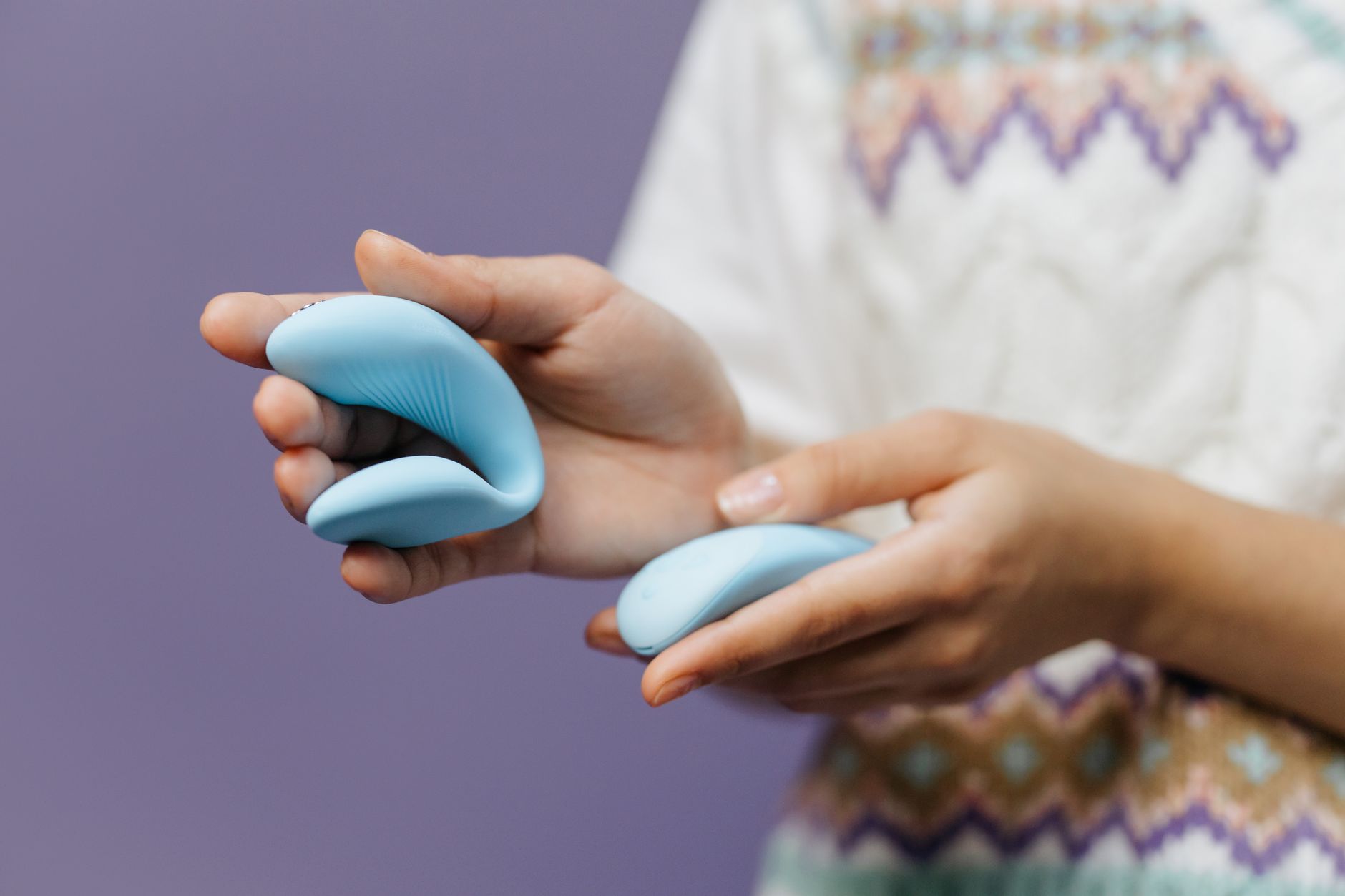
Photo by cottonbro studio on Pexels
Setting realistic timelines for arousal with age
First: forget the fantasy. Young bodies in movies get turned on in 30 seconds. That's not how aging bodies work, and chasing that standard is exactly how you end up feeling broken.
Instead, think in phases.
Phase one is noticing desire. You decide you want sex or solo time. That might take 5 minutes just to shift mentally.
Phase two is building sensation. This is where a lemon clitoral vibrator shines. Start at pattern 1 or 2 (the lowest settings on the Lem vibrator) and spend 10 to 20 minutes here. There's no rush. Your body is learning to respond again.
Phase three is intensification. As arousal builds, move to higher patterns. This is where you might use patterns 3 through 5, building toward orgasm over another 10 to 15 minutes.
Total time: 25 to 50 minutes. That's not slow. That's patient. And it works.
How to use a lemon sucker properly when buildup matters more than speed
Your setup matters more than you think.
Start with lubrication, even though lemon clitoral vibrators aren't mechanical in the same way. Water-based lube helps the suction seal work better and makes the whole experience more comfortable. Apply it generously.
Position yourself somewhere you won't be interrupted. Not in bed necessarily, but somewhere your body feels secure and your mind can actually focus. Arousal requires mental presence, especially when your body's baseline is slower.
Turn on the Lem vibrator to pattern 1. This is barely noticeable. That's fine. The point right now isn't intensity. It's consistency. Let your body adjust to the sensation for 3 to 5 minutes.
Notice what happens. Does your breath change? Do you feel tingling? Does the sensation move around? You're mapping your current arousal map, not your old one.
After 5 minutes, move to pattern 2. Again, spend 5 minutes here. Then 3, then 4. You're building gradually, and your body is learning to anticipate and respond.
When you feel genuinely aroused (not just mentally interested, but your body is actually responding), move to higher patterns if you want to, or stay where you are. This is your call.
The mental piece: why patience is the real tool
Here's what I see in my practice over and over: people blame their body when the real problem is expectations.
You're waiting to feel what you felt at 30. Your body isn't cooperating because your body isn't 30. It's not being stubborn. It's being honest.
The mental shift that matters: arousal at your current age isn't worse. It's different. And different can actually be better if you stop measuring it against an old standard.
When you use a lemon clitoral vibrator with patience, you're sending your nervous system a message: "We have time. We're not rushing. Let's build this slowly." That message alone changes everything.
Many people report that their most intense orgasms happen when they stop trying to make arousal happen fast. That's not a coincidence. That's neurology.
Hormonal shifts and how they affect arousal speed
If you're in perimenopause or menopause, estrogen changes affect arousal timing directly. The tissue becomes thinner, lubrication decreases, and blood flow response slows even more.
If you're taking medications that affect libido (antidepressants, blood pressure meds, hormonal birth control), arousal can feel dampened overall.
If your cortisol is high from stress or sleep deprivation, your parasympathetic nervous system (the one that handles arousal) is offline. No vibrator fixes cortisol, but patience plus a supportive tool helps your body remember how to respond when cortisol finally drops.
In any of these situations, how to use a lemon vibrator when estrogen drops in perimenopause covers the specific adjustments you'd want to make.
When slow arousal is actually a signal worth listening to
Not all slow arousal is just aging.
Sometimes it's your body telling you the situation isn't safe, emotionally or physically. Sometimes it's relationship fatigue. Sometimes it's disconnection from your own desire, which happens when you've spent years accommodating someone else's timeline.
If arousal is flat across the board and hasn't been like this your whole life, how to use a lemon vibrator when you feel disconnected from pleasure after stress might be more relevant than thinking arousal is just slow.
The distinction matters because the fix is different. Patience helps with age-related slowing. Reconnection work helps with psychological distance.
Rhythms and patterns: designing your arousal practice
Consistency beats intensity every time.
Using a lemon clitoral vibrator twice a week for 30 minutes does more for your arousal capacity than once a month for two hours. Your nervous system responds to regular, gentle input. It learns. It anticipates.
If you're solo, this is straightforward. Build it into your routine like you would exercise or meditation.
If you have a partner, how to use a lemon vibrator for couples building intimacy after years together addresses the specific challenge of rebuilding arousal as a pair.
FAQ: Slow arousal and using a lemon vibrator
Can a lemon vibrator speed up arousal, or just make slow arousal more enjoyable?
Both. What it actually does is retrain your nervous system to respond more predictably to consistent input. With regular use, many people find that the gap between desire and physical arousal shrinks. You're not making arousal instant, but you're making it more reliable and less frustrating.
How long should I expect to feel a difference in arousal speed?
Two to four weeks of consistent use (twice a week minimum). Your nervous system needs repetition to update its baseline. It's not magic, but it's also not slow.
Is slow arousal with age a sign that something is medically wrong?
Not usually. Aging bodies respond differently, and that's normal. If arousal stopped completely or if you have pain, that's worth mentioning to a doctor. But gradual slowing over years is physiology, not pathology.
Can I use a lemon sucker if I have very thin vaginal tissue?
Yes, actually, because suction is gentler than vibration on delicate tissue. Water-based lube is essential. If you have genitourinary syndrome of menopause (GSM), a doctor can prescribe topical estrogen cream to thicken tissue, and then a lemon clitoral vibrator becomes even more comfortable.
Does arousal ever speed back up, or is this slowdown permanent?
It doesn't usually go back to your 25-year-old speed, but it stabilizes. Once you accept the new rhythm and work with it instead of against it, arousal becomes predictable and genuinely satisfying. Many people find their orgasms are more intense at slower buildup because they're genuinely present instead of rushing.
What if my partner is frustrated with slow arousal too?
That's a conversation separate from the physical tools. A lemon clitoral vibrator can help your body respond, but it can't fix mismatched expectations or resentment. If that's the real issue, consider whether a couples conversation or therapy might be the first step.
The honest truth about aging and arousal
Your body at this age isn't less capable of pleasure. It's differently capable.
A lemon clitoral vibrator works because it meets you where you actually are, not where you think you should be. It uses patterns and pressure that work with how your nervous system responds now.
Patience isn't a compromise. It's a skill. And once you learn it, arousal stops feeling like something you're chasing and starts feeling like something you're building.
That's worth the time. Always.