The gap between low libido and low sensation
Let's be real. Low libido and weak orgasms get lumped together like they're the same problem. They're not. You can have zero interest in sex and still experience a powerful orgasm once you get started. Conversely, you can feel plenty of desire but find that orgasms feel muted, distant, or just less intense than they used to. The first is an arousal issue. The second is a sensation issue. And that distinction changes everything about which tools actually help.
When desire is low, the impulse is to force the entire experience. You think if you just try harder, want it more, or find the "right" moment, everything will snap back. That approach usually backfires. A lemon vibrator works differently. It doesn't depend on your baseline desire level. Instead, it meets your nervous system where it actually is and builds intensity from there.
Why low libido creates weaker orgasms
The physiology is straightforward. Arousal and orgasm strength are linked through blood flow and neural activation. When you're not interested in sex, your body doesn't prime itself with the same cardiovascular response. Blood pools less densely in the clitoris. Nerve endings don't reach peak sensitivity as quickly. The result is that even if you push through and have an orgasm, it feels less crisp, less full bodied, than when you're genuinely aroused.
That's not a failure on your part. That's just how the nervous system works. Forcing arousal against a backdrop of low desire is like trying to run a sprint when you're already tired. Your body isn't going to give you the same performance.
Low libido itself has many sources. Stress. Relationship fatigue. Hormonal shifts. Medication side effects. Burnout. Grief. Sometimes it's all of them at once. But here's what matters for this conversation: you can't will yourself back into desire by sheer effort. What you can do is use tools that bypass the arousal bottleneck and trigger the nervous system directly.
How lemon vibrators work differently when desire is slow
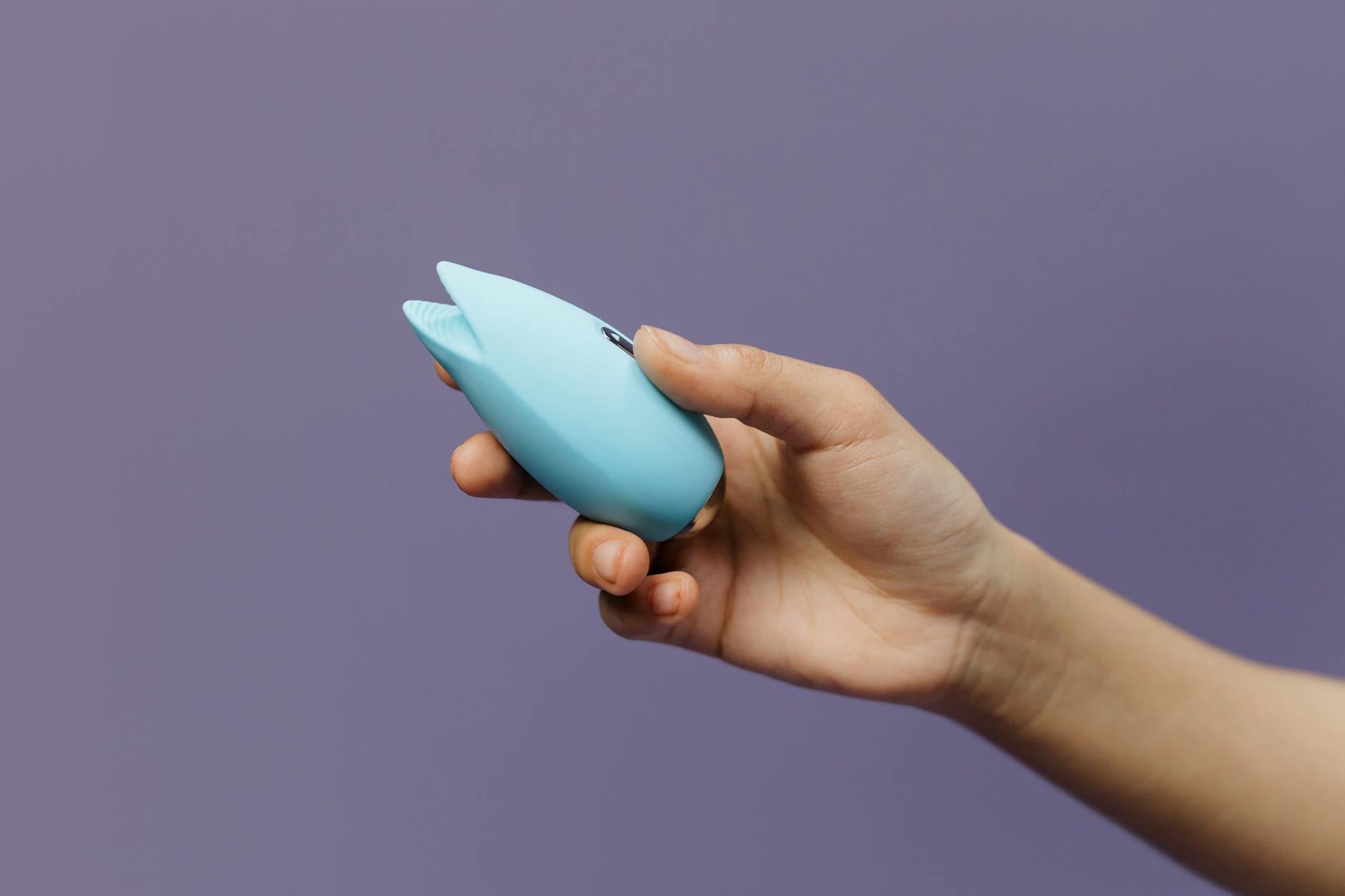
The Lem uses suction to stimulate the clitoris. Unlike traditional vibrators that rely on vibration frequency alone, suction creates a seal and rhythmic pulse that mimics what mouths do naturally. For people experiencing low libido, this matters because suction doesn't require the same level of pre-arousal to feel good.
A standard vibrator often feels weak or even irritating when your desire is low. You need to already be somewhat aroused for the vibration to land right. A lemon vibrator, by contrast, can feel satisfying almost immediately. The suction pattern itself triggers nerve responses that build arousal while it's happening. You're not trying to climb the arousal ladder before the tool starts working. The tool helps you climb.
This is why so many people with low libido report that using a lemon clitoral vibrator shifts their experience. It's not magic. It's just that the type of stimulation matches the challenge. When arousal is sluggish, you need a tool that creates its own momentum.
Starting low when desire is already low
Here's the setup mistake most people make. They think if they're not feeling it, they need to go harder faster. Wrong. When libido is low, intensity is your enemy at first.
Start with the Lem on the lowest setting. I mean the lowest. Pattern 1. Spend five full minutes there. Let your nervous system register what's happening without pressure to respond. Most people who struggle with low libido are already pushing themselves mentally to feel something. Adding physical pressure only amplifies that strain.
The suction on pattern 1 is enough. It's subtle, rhythmic, consistent. Over five minutes, blood flow increases. Sensitivity builds. You're not forcing arousal. You're creating conditions for it to emerge on its own.
After five minutes, move to pattern 2 if it feels right. If it doesn't, stay on pattern 1 for another few minutes. There's no timer here. The goal is to notice when your body starts responding rather than to hit an arbitrary intensity milestone.
The warm-up window when arousal is reluctant
When desire is low, the warm-up phase matters more than it does for people with high baseline libido. You need space. Ten to fifteen minutes of just sensation work, no goal, no endpoint, no pressure to orgasm.
This is where people usually panic. They think they should feel something obvious by minute three. When they don't, they stop. That's the trap. Low libido often means your body needs more time to build a response. That's not broken. That's normal. It's just a longer timeline.
Use the first ten minutes to explore. Dial the Lem up gradually. Notice when a pattern starts to feel better. Are you drawn to the pulsing rhythms or the steady patterns? Does one side of the clitoris feel more sensitive than the other? Is there a particular sweet spot where the suction lands just right?
This is not wasted time. This is information. Every time you use the lemon vibrator, you're also re-teaching your nervous system what pleasure feels like. For people with low libido, that teaching happens slowly. Honor that.
Bridging from low desire to real sensation
One of the trickiest parts of low libido is the mental component. Even when your body starts responding, your brain is often somewhere else. You're thinking about your to-do list. You're monitoring whether you're "getting there." You're questioning whether this is worth the effort. That mental noise drowns out sensation.
When using a lemon vibrator, anchor yourself with breath. Not as some spiritual exercise. Just literally. Notice when you hold your breath, which most people do when they're trying hard. Exhale deliberately. Breathe into the sensation. This tiny habit does two things. It keeps your nervous system from staying locked in anticipation mode. And it forces your attention back to what's actually happening instead of what you're worried should be happening.
As sensation builds, you'll notice your breath naturally shifts. It gets shorter, faster. That's your body telling you it's engaged. Stay with that. Don't override it by trying to slow down or control it. The quickening breath is the bridge between low libido and actual arousal.
Building back to strong orgasms
Once you're in that window of genuine arousal, lemon clitoral vibrators tend to deliver. Most people find that by pattern 3 or 4, if they've let sensation build across ten to fifteen minutes, the orgasm that arrives is significantly more intense than what they were experiencing with low desire.
That intensity jump isn't accidental. It's because you've actually engaged your nervous system instead of overriding it. The orgasm that follows feels fuller, longer, more satisfying.
For people rebuilding libido and orgasm strength, this is often the first time in months or years that they experience that quality of pleasure. It's not just that the tool is good. It's that you've given yourself permission to slow down and let pleasure build the way your body actually works.
When to reconsider what "low libido" means
Here's something worth examining. Sometimes what feels like low libido is actually relationship misalignment, stress so high your body has shut down pleasure circuits, or sometimes medication or hormonal things that need medical attention. A lemon vibrator is incredible for rebuilding sensation, but it's not a substitute for addressing what's driving the low desire in the first place.
If low libido is persistent and extends beyond sex, worth checking in with your doctor. If it's specific to a relationship or partner, that's a different conversation. If it's tied to stress, anxiety, or depression, those need attention too. The vibrator is a tool for rebuilding pleasure once you've started addressing the root issue. It's not the root fix itself.
The pleasure return pattern
What I've seen consistently in my work with couples navigating low libido is that sensation returns in phases. First, there's relief. You use the tool and feel something. That matters. Then there's recalibration. Your nervous system remembers what pleasure actually feels like. Then there's the return. Actual desire starts creeping back in because you're having good experiences again instead of performing through disinterest.
That progression takes time. Three to six weeks of regular use before most people notice their baseline libido shifting. But during those weeks, orgasms do get stronger. That positive feedback loop is often what helps desire return in the first place.
A few practical moves
If you're starting with a lemon vibrator while dealing with low libido, here's what actually helps. Keep it accessible. Don't make it a production. Set aside ten to fifteen minutes without distractions. Use water-based lubricant. Start on the lowest setting. Let the first five minutes just be sensation, no goal. Then dial up slowly and notice what feels good. Stay with your breath. If you orgasm, great. If you build toward it and don't quite get there, that's fine too. The point is sensation, not the destination.
Low libido is real. Weak orgasms that come from low libido are real. But they're also responsive to the right approach. A lemon vibrator, used with patience and attention, often transforms both.