Let's talk about what nobody warns you about
Pelvic surgery changes your relationship with pleasure. Hysterectomy, fibroid removal, prolapse repair, or any procedure that touches the pelvic floor doesn't just alter your anatomy. It interrupts nerve pathways, shifts sensation, and leaves you uncertain about what's safe to feel good again.
Most doctors will tell you the healing timeline. Almost none will tell you how to rebuild pleasure safely. That's what this guide is for.
The healing timeline matters more than you think
Here's what your surgeon probably said: no penetration for 6 to 8 weeks. Clear enough. Here's what they didn't say: sensation takes longer. Confidence takes longer. And your body's readiness to experience pleasure is not the same thing as your body's readiness to tolerate medical exams.
Most people can begin exploring external stimulation (no penetration) around week 4 to 6, depending on the surgery type. Internal procedures like hysterectomy or fibroid removal tend to be more restrictive than laparoscopic work. If your surgeon gives you the all-clear for penetration at 8 weeks, that doesn't mean your nervous system is ready for intense sensation.
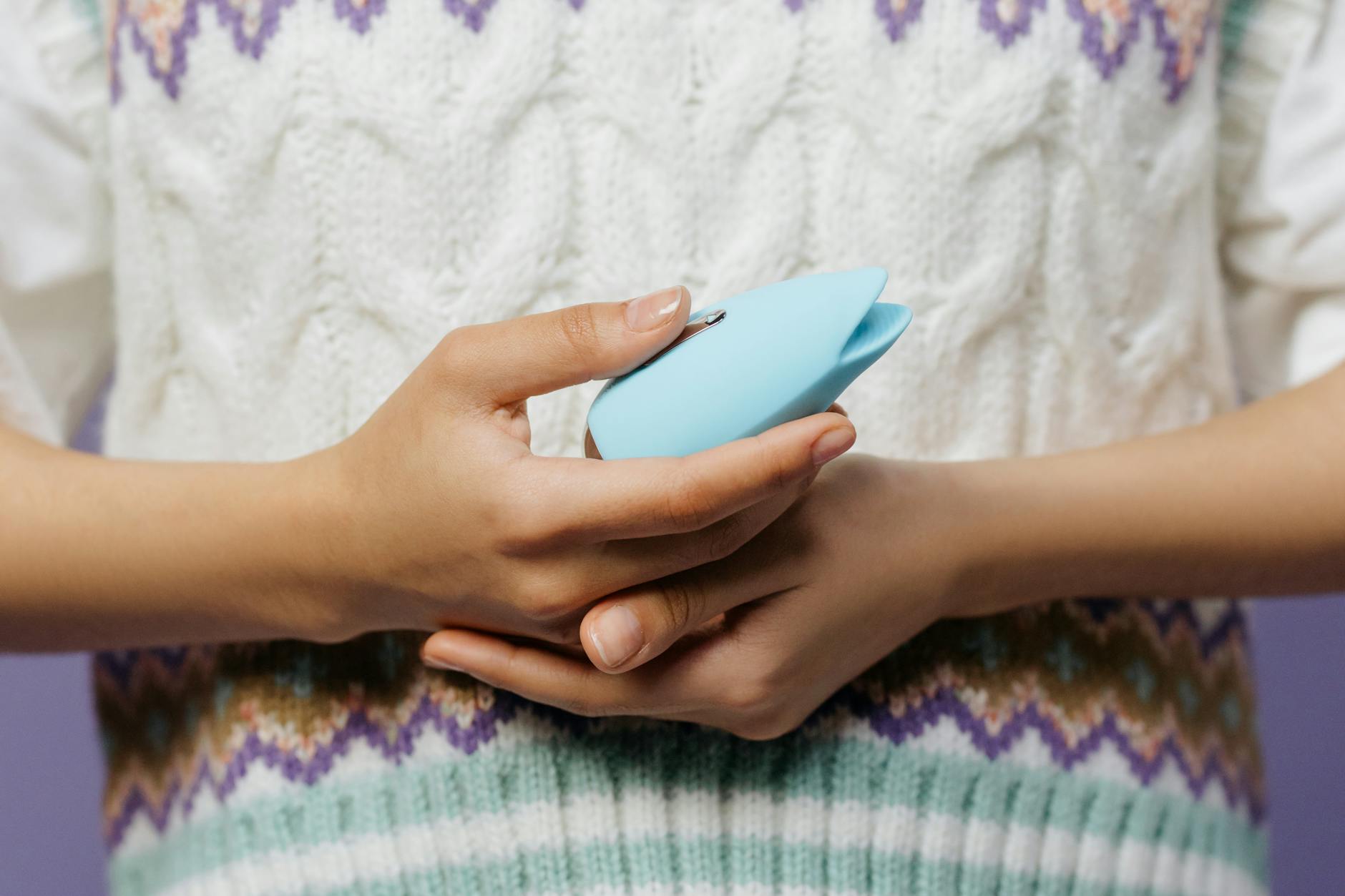
That gap matters. That's where a lemon clitoral vibrator actually shines. Air-suction stimulation is gentler on healing tissue than vibration alone, and it's completely external. No insertion, no pressure on the surgical site.
Why a lemon vibrator works particularly well during pelvic recovery
A lemon vibrator operates on suction, not friction. That means your most sensitive area gets stimulation without the kind of mechanical pressure that can irritate freshly healed tissue. If you've had abdominal or internal work, you probably have scar tissue that's tender to touch.
Suction-based clitoral vibrators like a lemon let you build sensation gradually. You're not forcing anything. Your body isn't tensing against unwanted pressure. Many people recovering from surgery report that this approach feels more comfortable than their pre-surgery vibrators because it's less aggressive overall.
The other advantage: control. Lemon vibrators typically have 7 to 10 distinct patterns and intensity levels. During recovery, you can stay on patterns 1 through 3 indefinitely without feeling like you're missing out. Your body isn't ready for pattern 7. That's fine. The pleasure is still real at low intensity.
When to actually start using anything again
Honest answer: ask your surgeon. But here's the framework I recommend.
Weeks 1-4: Zero external stimulation. Let the body do its job. If you have urges, that's normal. Resisting is also normal. Neither makes you broken.
Weeks 4-6: If your surgeon has cleared you for any pelvic activity, you can start with hand exploration only. No tools. Warm water, gentle touch, no pressure on the incision site. The goal is sensation awareness, not orgasm.
Weeks 6-8: Once you've had positive sensations from hand exploration and your doctor has given the green light, introducing a lemon vibrator at its lowest setting becomes an option. Start with 5 to 10 minutes, pattern 1 only. Stop immediately if you feel sharp pain, pressure, or anything unusual.
Week 8 onwards: If the low-intensity work feels good and pain-free, you can gradually experiment with patterns 2 and 3. Do not jump to higher intensities. Your nervous system is still rebuilding the pathways that pleasure travels on.
What to actually feel during this window
This is where most people get confused. You're expecting pre-surgery sensation. That's not what you'll get, and that's not a failure.
During early recovery, sensation is often duller. It might feel numb or distant. That's not numbness from the surgery necessarily. It's your nervous system being protective. Trauma (even surgical trauma with consent) can cause a temporary dissociation from sensation. Your body is being careful.
If you feel tingling, gentle warmth, or mild arousal, that's a good sign. If you feel nothing and that bothers you, that's also normal. If you feel sharp pain or pressure, stop and wait longer. There's no rushing this.
One thing I hear often: "It doesn't feel like an orgasm, just... a pleasant sensation." That's recovery working correctly. Orgasms will return. They just won't feel identical to before. Your pelvic floor has been through something. Give it grace.
Practical logistics that actually matter
First, cleanliness. Your body is healing. A clean vibrator is non-negotiable. Wash with warm soapy water before and after use. The Lem's silicone is body-safe and easy to clean.
Second, lubrication. During recovery, your natural lubrication might be affected by hormonal shifts (especially post-hysterectomy) or just by the stress response of your body. Water-based lubricant is your friend here. It reduces friction without adding pressure. Use it even though you're not doing penetration. It helps the suction seal feel more comfortable.
Third, positioning. You'll probably be most comfortable lying down or semi-reclined. Avoid positions that put pressure on your incision or lower abdomen. If something feels straining, you're not in the right position yet.
Fourth, timing. Don't use a vibrator right after eating a heavy meal or if you're experiencing significant bloating. Your abdomen is still sensitive. Empty your bladder beforehand. These small things make the difference between pleasure and discomfort.
The emotional piece that changes everything
Here's something that rarely gets mentioned in the medical literature: losing access to a part of your sexual self, even temporarily, can trigger grief. You've lost something you didn't expect to lose. Your partner has lost access to a shared intimacy. Your sense of your own body has shifted.
The lemon clitoral vibrator isn't just a pleasure tool during recovery. It's a way to tell your nervous system that pleasure is still available to you. That's psychologically important. It's not about forcing orgasm. It's about reconnecting with the idea that your body can still feel good.
If you have a partner, this is worth discussing before you start exploring. Let them know what you're doing and why. Many partners want to help but feel helpless. This gives you both something concrete.
If you're recovering alone, know that this is a valid form of self-care. Your nervous system needs to know that pleasure is still part of your future. Gentle exploration with the right tool helps that message land.
Red flags that mean you need to pause
Sharp pain. Not discomfort or mild pressure. Actual sharp pain is your signal to stop and wait longer.
Unusual discharge or smell. Your body is healing. Some discharge is normal. Foul-smelling or heavy discharge is not.
Bleeding or spotting weeks after your surgery has ended. You're pushing too hard. Back off intensity and duration.
Feeling dizzy or lightheaded. Stop immediately. This usually means your blood pressure shifted or you're tensing too hard.
Increased bloating or pressure in the pelvis after use. That's inflammation. Your body's saying "not yet."
Any of these means you call your surgeon or GP before continuing. There's no trophy for pushing through pain during recovery. Your only job is healing.
FAQ: Questions about vibrators and pelvic recovery
When is it safe to use a vibrator after hysterectomy?
Most doctors clear external stimulation around week 6 to 8, but ask your surgeon specifically. Internal procedures need more time than laparoscopic work. If you've had a vaginal hysterectomy, recovery is usually faster than abdominal. The timeline matters. Don't assume. Every surgery is different.
Can using a vibrator slow down healing?
If you're using external stimulation with a lemon clitoral vibrator and staying below pattern 3, the answer is almost always no. You're not putting pressure on the surgical site. You're not causing physical trauma. If anything, gentle pleasure can reduce stress, which supports healing. That said, if your surgeon advises against it, listen to them instead of the internet.
Why does arousal feel different after pelvic surgery?
Your pelvic floor is recovering from trauma. Even elective surgery is trauma to the body. Nerve pathways get disrupted. Scar tissue forms. Hormones shift. Your nervous system is being protective. All of this changes how arousal feels. It usually normalizes within 3 to 6 months, but some people notice shifts for up to a year. Patience isn't weakness here.
Is it normal to feel nothing when using a vibrator during recovery?
Completely normal. Your body might be numb as a protective mechanism. It might be focused on healing rather than pleasure. It might just need time. If you feel nothing for weeks and it bothers you, that's worth mentioning to your GP. But in the first 8 weeks, numbness is often part of the process, not a sign of permanent damage.
Can I use a lemon vibrator during my period after pelvic surgery?
Wait until your first period is completely over before trying again. Your uterus is still healing (if you still have one), and menstrual flow changes after surgery. Once your cycle stabilizes and you've had one full period without complications, external vibrator use is typically fine. Your doctor will let you know if there's any reason to avoid it.
What if I'm not having any desire for pleasure after surgery?
That's incredibly common and not something to force. Surgical recovery is exhausting. Your body is healing. Your brain is processing the emotional weight of the procedure. Desire often returns on its own timeline, and it's not always the same timeline as physical healing. If you're months out and desire hasn't returned at all, that's worth discussing with a therapist or your doctor. But in the early weeks and months, it's completely normal to have zero interest in pleasure. Honor that.
The timeline is long, but the payoff is real
Most people who follow a careful recovery process report that pleasure returns by 3 to 6 months post-surgery, and often feels deeper than before because they've been forced to slow down and pay attention. Your body isn't broken. It's learning something new.
A lemon vibrator can be part of that journey. Not the whole journey. Just the external tool that makes reconnection feel safer, gentler, and more within your control. If you're ready to explore this after pelvic surgery, start low, go slow, and listen when your body says stop. That's not caution. That's wisdom.
Have questions about your specific recovery? Reach out to Get Lems or chat with your surgeon. Your healing timeline is unique to you, and that deserves personalized guidance, not just internet advice.