Let's talk about what nobody warns you about
Your clitoris changes after birth. Not permanently, not catastrophically, but noticeably. Some people report numbness. Others say sensation feels sharper, almost too intense. Many describe a kind of electrical quality they didn't have before.pregnancy and birth rewire your pelvic floor, your nerve endings, your blood flow patterns. That's not a crisis. It's biomechanics. But when you're six weeks postpartum and trying to figure out if you still have sensation where you used to, the science feels less relevant than the panic.
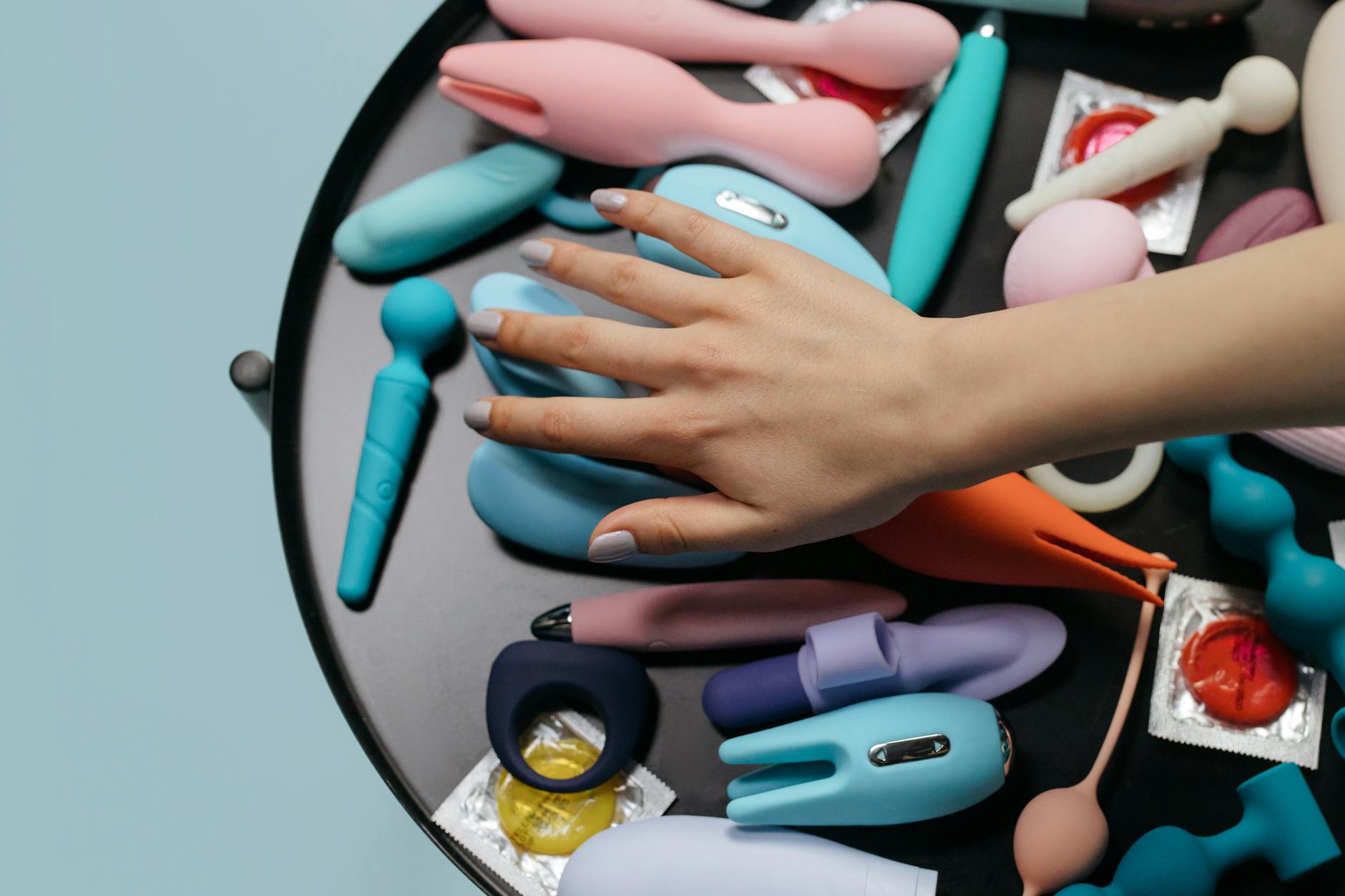
Here's what I see in my practice: the people who recover sensation most smoothly aren't the ones waiting for it to "come back naturally." They're the ones who gently reintroduce touch, learn their new anatomy, and use tools designed for sensitivity rather than intensity. A lemon vibrator from Get Lems does something most traditional vibrators can't. It lets you explore without overwhelming.
Why postpartum clitoral sensation shifts
Three main reasons this happens.
First: nerve compression during pregnancy and birth. Your pelvic nerves got squeezed. They'll decompress, but that takes weeks or months. During that time, signals feel muted.
Second: swelling. Your tissues are still recovering. Even if you had a straightforward vaginal birth, there's inflammation in the clitoral bulbs (yes, your clitoris has internal structure). Swelling dulls sensation.
Third: hormonal drop. Estrogen and prolactin swing wildly postpartum. Estrogen supports clitoral blood flow and sensitivity. When it bottoms out, sensation flattens. If you're breastfeeding, prolactin stays elevated, further suppressing estrogen. This is temporary, but it's real.
Most medical literature says sensation normalizes between three and six months postpartum. That's accurate. But "normalizes" doesn't mean "identical to before." For some people, sensitivity stays sharper. For others, it becomes subtly different. Your job isn't to chase the old sensation. It's to learn the new one.
When you're actually ready (not what your six-week clearance says)
Your doctor clears you at six weeks. That's the green light for penetration, not for pleasure exploration. Those are different timelines.
If you had a tear (even a micro-tear), you're not ready at six weeks. If you're still bleeding beyond the normal postpartum flow, you're not ready. If sitting down is still uncomfortable, you're not ready. Clitoral sensation work shouldn't require bracing for pain.
I usually tell people: wait until you can sit through a full meal without thinking about your perineum. Wait until you're not reaching for pain medication. Then wait two more weeks. Then start slow.
When you do start, the first exploration should be just touch. Your own fingers. No toys, no vibration, no pressure. Spend a week learning what feels like anything at all. Sensitivity is there, but your nervous system might not recognize the signal yet.
Why lemon vibrators work better for postpartum sensitivity
Traditional vibrators apply broad, rhythmic vibration. That's useful when your tissues are thick and your nerves are dense. Postpartum, that approach often feels like too much, too fast.
Lemon clitoral vibrators use suction and gentle pulsing instead. The mechanism is gentler. Suction draws tissue slightly upward and stimulates the inner clitoral structure without the same percussion pressure. This matters because:
Your postpartum clitoris is sensitive not just because sensation is dull, but because it's raw. Suction distributes pressure more evenly. It doesn't drill. A lemon vibrator from Get Lems gives you incremental control. You start at the lowest setting, lowest intensity, and build only if it feels good.
Many people find that after three or four uses, sensation sharpens. The nerve signals are rebooting. Once they start firing again, you realize the numbness wasn't permanent. It was just sleeping.
How to actually use a lemon vibrator postpartum
Week one: learning your new landscape. No toy yet. Just your own fingers. Five to ten minutes. No pressure to feel anything. You're mapping, not chasing.
Week two: add lubrication. Water-based lube. Your natural lubrication might be lower postpartum, especially if you're breastfeeding. Lube isn't failure. It's logistics. Ten minutes. Same gentle touch.
Week three: introduce the lemon vibrator on the lowest setting. Not inside. Just external clitoral contact. Start at setting one. Thirty seconds. That's enough. Your nervous system is learning the new sensation language.
If you feel sharp pain, stop. Sharp is different from "unusual sensation." Unusual is normal. Sharp means something isn't healed.
Week four onward: gradual increase. If setting one felt okay, try it for a minute. Next time, try two minutes. Next week, try setting two. This isn't a race. The point is letting your clitoris remember what pleasure is without overwhelming it.
Most people reach their pre-birth sensitivity within eight to twelve weeks of gentle, consistent exploration. Some take longer. Some find they actually prefer the new sensation.
The partner conversation nobody wants to have
If you have a partner, this is where communication matters wildly. Here's what I hear most often: "I didn't want to pressure my partner, so I didn't tell them I was exploring alone." Then the partner wants to resume sex, assumes everything's the same, and goes at their normal rhythm. Everything collapses.
Tell your partner. Simple version: "My body's rewiring. I'm exploring gently with a toy to figure out what feels good again. This isn't about you. It's recovery. When I'm ready, I'll let you know."
If your partner wants to be involved immediately, that's a "no" until you've done the solo groundwork. You can't guide someone else through your new anatomy if you haven't learned it first.
What actually gets in the way
Four things kill postpartum pleasure recovery faster than anything physical.
Guilt. You "should" feel fine at six weeks. You don't. You feel broken. You're not. Your body did something extraordinary and it needs time.
Resentment about touch. You've been touched constantly. By a baby. Maybe by medical staff. The last thing you want is more hands on you. That's legitimate. Using a lemon vibrator solo removes that dynamic. You're in control of the rhythm, the pressure, the stop.
Fear. What if sensation doesn't come back? What if it feels weird forever? What if your partner thinks you're broken? These are real questions. The answer is: it comes back, it normalizes, and if your partner thinks you're broken for needing recovery time, that's a different problem. One worth addressing with help.
Speed. You want it to be over. You want normal back. Rushing sensation recovery doesn't speed it up. It usually sets you back. Patience isn't passive. It's active choice.
When to get help
If nine months postpartum you still have zero sensation, see a pelvic floor physical therapist. Not your OB. A specialist trained in postpartum recovery.
If sensation is sharp pain rather than dull numbness, get imaging. Sometimes postpartum swelling doesn't resolve on its own.
If you're grieving the loss of your pre-birth body's pleasure response and that grief is affecting your relationship, therapy helps. I'm not joking. Postpartum grief is real, and it impacts how you re-engage with pleasure.
FAQ: Postpartum clitoral sensitivity and lemon vibrators
Can I use a lemon vibrator while still bleeding postpartum?
No. Heavy lochia (postpartum bleeding) means your uterine lining is still shedding. Introduce vibration only when bleeding has lightened to spotting. Using a toy while bleeding heavily can restart heavier flow and delay healing. Also, frankly, it's uncomfortable.
How is a lemon clitoral vibrator different from my old vibrator postpartum?
Traditional vibrators deliver steady buzz across broad tissue. When postpartum tissue is swollen and sensitive, that feels blunt or uncomfortable. Lemon vibrators use suction, which is gentler and more targeted. They also typically have quieter motors, lower intensity options, and a shape that's easier to control. For recovering sensitivity, the difference is significant.
Will exploring my own sensitivity alone confuse or upset my partner?
Not if you communicate. "I'm learning what feels good again" is different from "I'm replacing you." Most partners actually find it attractive when you know your own body. It makes partnered sex easier because you can guide them. The secrecy is what creates problems.
How long until I can have partnered sex again after using a lemon vibrator solo?
Sensation recovery and partnered sex aren't the same milestone. You might feel sensation return in week eight, but you're not ready for penetration from a partner until week ten or twelve because that involves different pressure and rhythm. Use solo exploration as your baseline. Add a partner only when that feels easy and good.
Is it normal that sensation feels sharp instead of numb?
Yes. Nerve decompression sometimes comes with a temporary hypersenitive phase. It feels electric or almost painful but isn't actually painful. It usually settles in four to six weeks. If it doesn't, check with a physical therapist. But weird sensation is common. Don't panic.
Can I use my lemon vibrator while breastfeeding?
Physically, yes. Your breasts won't be affected by clitoral stimulation. But mentally and emotionally, you might not want to. Breastfeeding is constant physical demand. Many people find they need their body to be theirs alone for a while. That's valid. Wait until you're ready. There's no expiration date on postpartum recovery.
The reset takes time, not willpower
Postpartum clitoral sensitivity isn't something you fix with effort or the right attitude. It's something your nervous system does on its own timeline while you practice patience and gentle touch. A lemon vibrator makes that process easier because it's built for sensitivity rather than intensity. But the real work is showing up to yourself with curiosity instead of judgment.
Your body didn't fail you. It's rewiring. And that rewiring often leads somewhere unexpected. Some people find their postpartum pleasure is deeper, more localized, less performative than before. The sensitivity might not return identically. It might return better.
If you're struggling with this transition, therapy or coaching can help you navigate the emotional piece alongside the physical. You deserve support. Your pleasure matters, even when you're six weeks postpartum and touching your own clitoris feels like the last thing on earth you have energy for. Start there. Everything else follows.
If you have questions or need guidance tailored to your specific situation, reach out at /contact. Recovery looks different for everyone.