The Med That Saved Your Mind May Have Numbed Something Else
Honestly, let's start here: SSRIs and other psychiatric medications are lifesavers. They've steadied your mood, quieted the spiral, made mornings feel possible again. And yes, for many people, they've also made sex feel like you're touching your own body through a thick pane of glass. The numbness is real, it's not in your head, and it's one of the most underreported side effects of antidepressants and anti-anxiety drugs.
The flatness shows up everywhere. Arousal takes forever. Orgasm becomes harder to reach or feels distant, muted, like the pleasure is happening to someone else. And the clitoris, which typically leads the charge, goes quiet. This isn't weakness or low desire. It's neurochemistry.
Why These Meds Dull Sensation
SSRIs and SNRIs work by increasing serotonin and norepinephrine in your brain. That helps with anxiety and depression. But here's what nobody mentions: those same neurotransmitters regulate blood flow, nerve sensitivity, and the cascade of physical responses that build toward orgasm. When you increase serotonin broadly across your nervous system, the switch that fires genital sensation often gets dimmed in the process.
The result is something clinicians call "sexual dysfunction" but what feels to you like apathy or numbness. Your brain isn't interested in sex. Your body can't quite feel it the way it used to. You might notice:
- Clitoral touch feels muted, like brushing against the tissue without much sensation
- Arousal that used to build in minutes now takes 20 or 30
- Orgasm arrives (if it arrives) but without the voltage it used to carry
- Desire drops not because you don't want connection, but because the reward signal is quieter
For context, about 40-60% of people on SSRIs report some sexual side effect. Most don't talk to their doctor about it. Instead, they assume the trade-off is permanent: mental health or sexual pleasure, pick one.
It doesn't have to be.
How Clitoral Suction Changes the Equation
This is where lemon vibrators and other clitoral suction toys shift the playing field. If you've only used standard vibrators, the difference is striking.
Standard vibration relies on direct stimulation of the clitoral tissue. When you're on medication that's dulled sensation, traditional vibrators often feel like trying to feel through gloves. You have to push for intensity, which can create discomfort, and the sensation still feels flat.
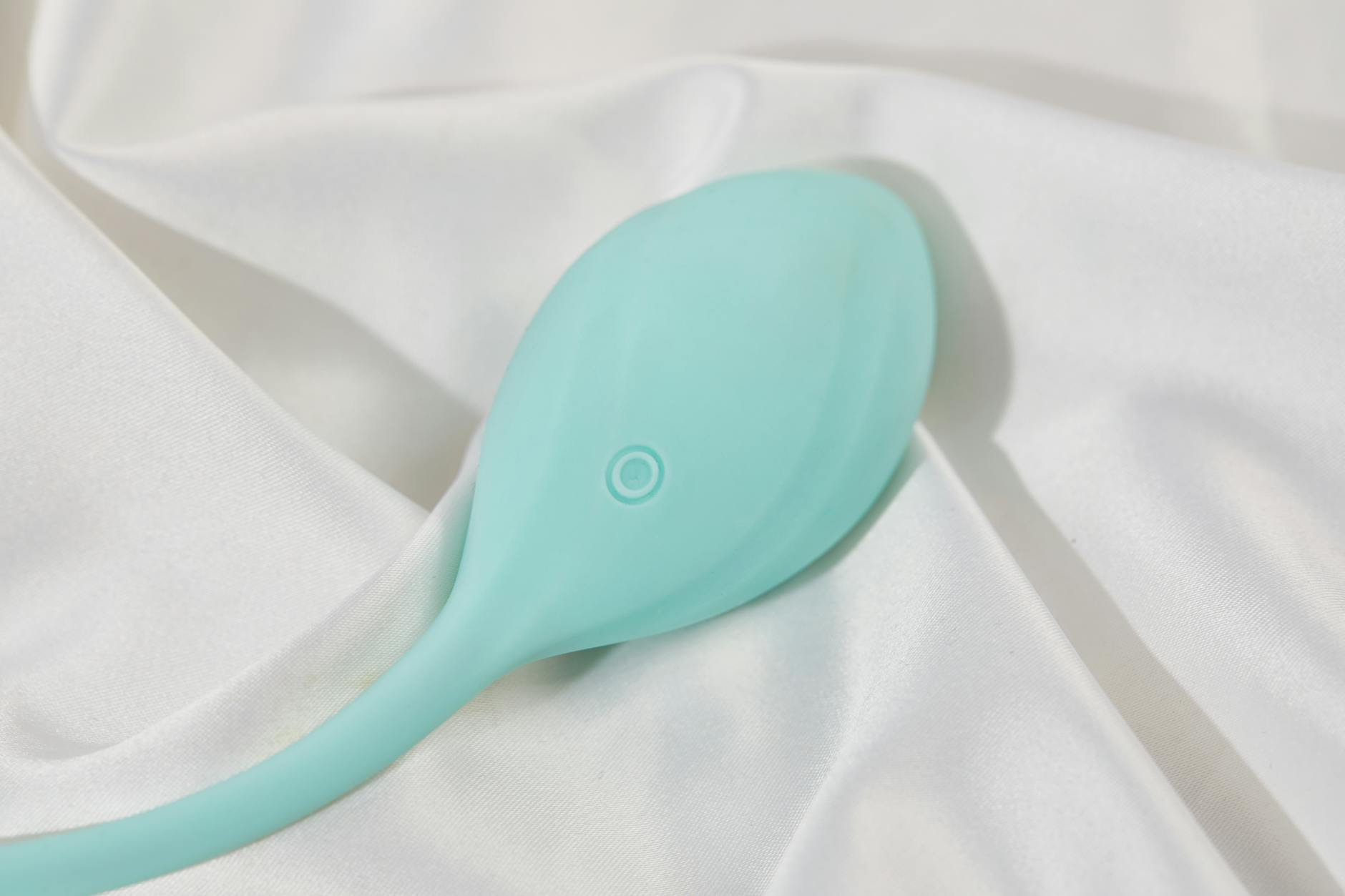
Clitoral suction works through a different mechanism. Instead of vibrating the tissue itself, suction devices like the Lem create a gentle vacuum around the clitoral head. This stimulates the network of nerves in a way that bypasses the need for direct contact sensitivity. You're essentially waking up deeper nerve pathways that medication hasn't fully muffled.
Many of my clients on antidepressants tell me the same thing: "I don't feel vibration anymore. But I feel suction." That's not coincidence. The physiology is different.
The Practical Setup That Matters
Using a lemon suction vibrator when you're on psychiatric meds requires a small shift from standard instructions. Here's what works:
Start at the lowest pattern first. Most clitoral vibrators have preset patterns at increasing intensity. With medication-dulled sensation, your instinct is to skip straight to intensity 5 or 6. Don't. The suction mechanism works better at lower patterns because it lets you feel the sensation building gradually. Pattern 1 or 2 for at least 3 to 5 minutes.
Time matters more than you think. Medication slows arousal. Budget 15 to 25 minutes for the full experience, rather than rushing. This isn't laziness. Your nervous system is processing more slowly, and pushing it just creates frustration.
Position for comfort, not performance. You're looking for a position where your clitoris is accessible and your whole body can relax. Most people find that lying on their back with a pillow under the hips works best. Some prefer a reclining position. Experiment without judgment.
Lube is optional but helpful. Unlike internal vibrators, clitoral suction toys don't require lube. But many people find that a light water-based lube around the external tissue helps the seal feel more natural. Try it without first, then add if it helps.
When to Talk to Your Doctor
Here's something most people don't know: your psychiatrist or GP may have options if sexual side effects are severe. Timing changes can help. Some people find that taking SSRIs at night rather than morning reduces daytime numbness. A few medications are less likely to cause sexual side effects than others (bupropion and mirtazapine are sometimes gentler on sexual function).
If you've tried a lemon clitoral vibrator, adjusted your approach, and sensation still hasn't returned after a few weeks, it's worth mentioning. Not because you have to change meds. But because your doctor might have tools you don't know about. Some people add a small dose of a different medication that counteracts sexual side effects. Others find that dose reduction, under medical supervision, helps without sacrificing mood stability.
The key is asking. Most doctors expect the conversation and have strategies.
Beyond the Toy: Everything Else That Shifts
The Lem or any clitoral suction vibrator is one tool. But honestly, it works best alongside other small recalibrations:
Reconnect with your own body first. Before using a toy with a partner, spend time with it alone. Medication flattens sensation, but it also flattens your ability to notice sensation improving. Solo exploration teaches your nervous system what's possible again.
Extend your warm-up. Your arousal timeline has shifted. Spend extra time with foreplay, porn, erotica, or whatever initially builds interest. This isn't an obstacle. It's information about what your body needs right now.
Separate desire from response. Many people on SSRIs report that their brain doesn't want sex, but when they use a clitoral vibrator, sensation returns and pleasure follows. That's not fake or forced. That's your body remembering how to respond. The desire often rebuilds once you've felt pleasure again.
Talk to your partner about the reset. If you're in a relationship, it matters that they understand medication has changed your timeline and your sensation. This isn't about them. It's about your nervous system. That conversation prevents resentment and creates space for you both to explore what works now.
The Science of Reclaiming Sensation
Here's something encouraging: sensation doesn't disappear. It gets muted. The difference is meaningful. It means recovery is possible.
The more consistently you engage with a tool that actually works (like a clitoral suction vibrator designed for this), the more your nervous system begins to relearn pleasure. Neuroplasticity works both ways. The flatness wasn't permanent before medication, and it isn't permanent now.
Many people report that after a few weeks of regular use with the right tool, sensation begins to sharpen. Orgasms feel more textured. Arousal builds a bit faster. Desire doesn't necessarily roar back, but it steadies.
You don't have to choose between your mental health and your sexual response. You just need tools that match what your nervous system can actually feel right now.
Frequently Asked Questions
How long does it take for sensation to come back after starting a lemon vibrator?
Most people notice some shift within the first 2 to 3 weeks of consistent use (3 to 4 times per week). Sensation deepens over 2 to 3 months. This isn't magic. Your nervous system is literally relearning how to respond to stimulation. Patience matters more than intensity.
Will a lemon clitoral vibrator work if I'm on multiple psychiatric meds?
Yes. The more meds you're on, the more muted sensation typically becomes, but clitoral suction still tends to work better than standard vibration. The mechanism is different enough that it bypasses some of the flattening. That said, results vary. If you've been on meds for less than 3 months, your body is still adjusting. Give it time before deciding a tool isn't working.
Can I use a lemon sexual toy if I'm also taking medications that affect sexual function?
Absolutely. In fact, clitoral suction toys are often easier to feel when you're on medications that dull sensation. The key is patience with your own timeline. You're not broken. Your nervous system is processing differently right now.
Should I tell my partner I'm using a lemon vibrator for medication side effects?
That depends on your relationship and your comfort. If you're in a committed partnership, most therapists recommend honesty. Frame it as a tool to rebuild connection with your own body, not as a reflection on your partner or the relationship. Many partners feel relieved to understand what's happening rather than interpreting numbness as lack of desire for them.
What if a clitoral suction vibrator still doesn't help after a month?
Try adjusting your approach before assuming it's not for you. Are you giving yourself enough time (15-25 minutes)? Are you starting at the lowest pattern? Are you using it 3 to 4 times per week? If you've ticked all those boxes and sensation hasn't returned, it's worth asking your prescriber if your specific medication combination is unusually flattering. Sometimes small adjustments on the medical side help.
Do I need to use a lemon vibrator forever if I want to feel pleasure again?
No. Many people find that after 3 to 6 months of consistent use with a tool that works, sensation restabilizes enough that they don't need it every time. The tool is a bridge, not a life sentence. Your body is relearning. The vibrator is just the vehicle.
The Bottom Line
Medication-induced sexual numbness is common, underreported, and fixable. A lemon clitoral vibrator works differently than standard vibrators because it taps into nerve pathways that respond even when sensation feels flat. Combined with patience, realistic timelines, and honest conversations with your doctor and partner, it's one of the most effective ways to reclaim pleasure while keeping your mental health stable.
You don't have to accept the trade-off between your mind and your body. They can both feel good again.