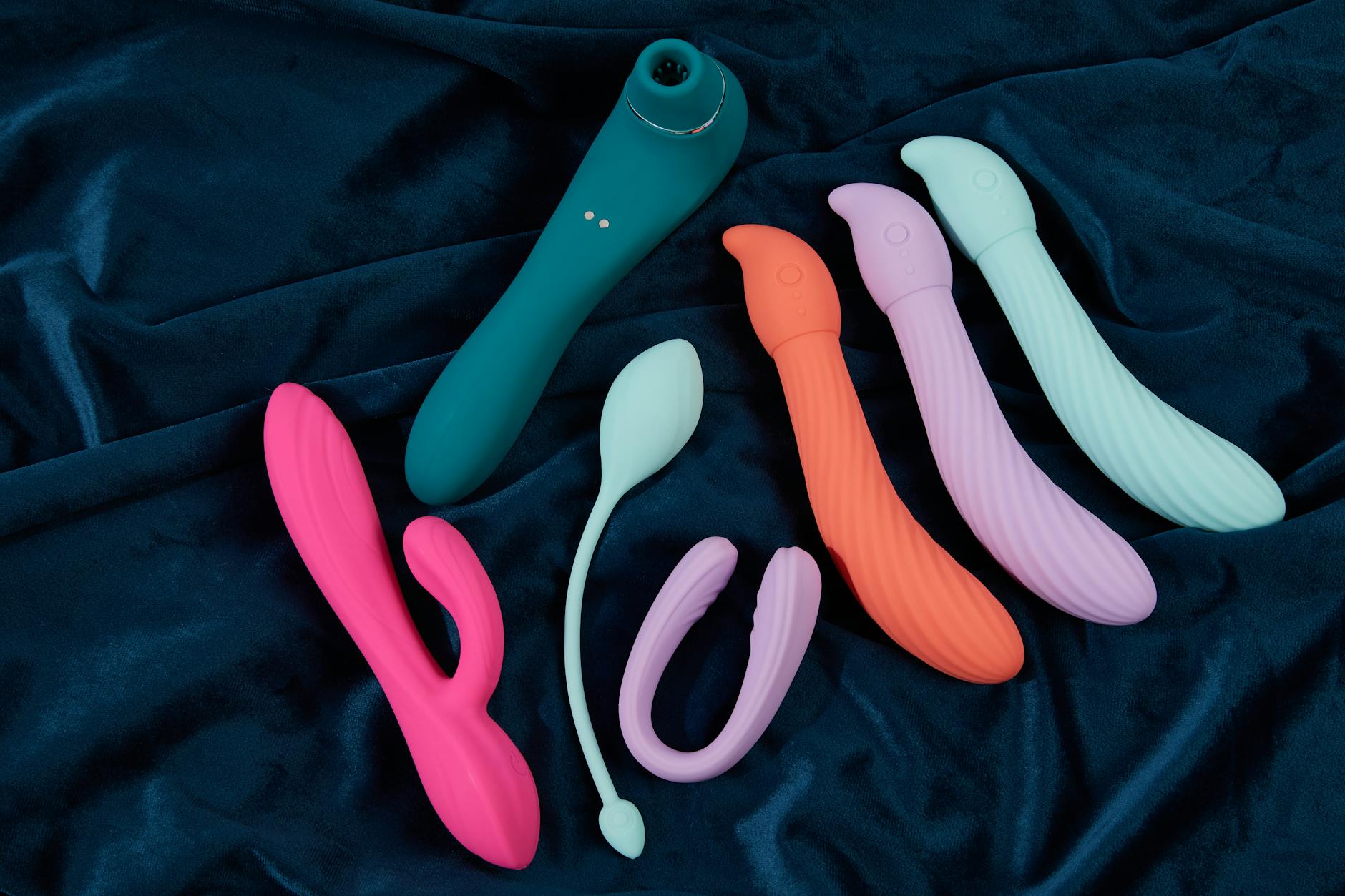
How to Use a Lemon Vibrator During Perimenopause Before Full Menopause
Perimenopause is not menopause. This matters because the sexual changes you're experiencing right now are messier, more unpredictable, and honestly more disorienting than what comes after full menopause. One week you're wet and ready. The next you're dried out and irritated. Your desire bounces like a pinball.
This is the reality most people don't talk about. Your body is cycling through different estrogen and progesterone levels sometimes weekly, sometimes daily. That chaos directly affects how pleasure works. The good news: tools like the Lemon clitoral vibrator are actually better suited to perimenopause than to any other life stage, because they don't rely on friction or sustained physical responsiveness.
Here's how to use a lemon sucker and other clitoral vibrators when your body is in this weird, between-state phase.
What perimenopause actually does to pleasure
Perimenopause typically lasts 4 to 10 years before your final menstrual period. During this time, your ovaries are still producing hormones, but erratically. Some cycles you'll get a surge of estrogen and progesterone. Other months, nothing. This is wildly different from your reproductive years, where the cycle was predictable.
Here's what changes sexually:
Lubrication becomes unpredictable. One week you might naturally lubricate normally. Two weeks later, you're dry despite arousal. This isn't a sign that you're less aroused. It's a sign that your tissues are responding to hormone levels, not to desire.
Arousal itself gets slower and more complicated. The neural pathway is still there, but it takes longer to activate. Many people report needing 20-30 minutes of warm-up instead of 10. Again, this isn't a decline in capacity. It's a shift in timing.
Orgasm often changes shape. Some people report that perimenopause orgasms feel more diffuse or less intense initially. Others say they're arriving later in the sequence but feel deeper once they do. The clitoral nerves haven't changed. The surrounding tissue support has.
Why the Lem works during perimenopause better than standard vibrators
Most vibrators work through rhythmic friction against tissue. This requires:
- Consistent lubrication
- Tissue that can handle sustained contact
- Predictable arousal response so you know when to start
During perimenopause, none of those conditions are guaranteed. One day your skin can handle firm contact. The next day, the same intensity feels raw.
Clitoral suction toys like the Lemon vibrator work differently. Instead of vibrating against the clitoris, they create gentle suction and release cycles that stimulate the nerve bundles without requiring thick lubrication or sustained friction. This matters enormously during perimenopause because:
You need less natural lubrication to feel good. Suction doesn't depend on wetness the way friction does. You can use a bit of water-based lube and the suction still works beautifully.
The sensation doesn't change based on arousal phase. Whether you're 5 minutes in or 30 minutes in, suction stimulation works consistently. You're not chasing a moving target of "when am I wet enough."
It's gentler on sensitive tissue. Perimenopause tissue is more fragile than your reproductive years, but more resilient than full menopause tissue. Suction gives you intensity without the abrasion.
Adjusting your timing to perimenopause patterns
Here's where things get real: during some weeks of your cycle, you'll be in a high-desire phase. During others, desire will be nearly invisible. Knowing which phase you're in helps you set realistic expectations.
Days 1 to 5 (or around menstrual flow if you're still bleeding): Estrogen is lowest. Desire often tanks. Your clitoris might feel less responsive. You're also dealing with cramps, bloating, or in some cases, a complete loss of interest in pleasure.
What to do: Don't force it this week. If you want to explore pleasure, keep it short. Five to ten minutes with the Lemon at lower intensity settings (patterns 1-2) can feel good without demanding arousal you don't have. Many people find that a quick session actually helps with cramps.
Days 6 to 12 (follicular phase): Estrogen starts rising. This is often when desire returns. Your tissues start producing more natural lubrication. Orgasms often feel more accessible.
What to do: This is your sweet spot. This is when you might have 20-30 minute sessions, explore higher intensity patterns (3-5), and experiment with partnered use if that appeals to you. You're working with your body, not against it.
Days 13 to 15 (ovulation window): Testosterone and estrogen both peak. Desire peaks too. Your clitoris is more sensitive. You might orgasm faster and more intensely.
What to do: Be cautious with intensity here. You might find that pattern 2 or 3 on the Lemon is enough to bring you to orgasm in a few minutes, whereas last week you needed pattern 5. Your body is more responsive now. Respect that.
Days 16 to 28 (luteal phase): Progesterone rises. Desire drops slightly but often stabilizes. Lubrication might decrease. Some people report that their clitoris feels less sensitive. Others report deeper, more full-body pleasure.
What to do: Return to medium intensity (patterns 2-4) and allow longer warm-up time if needed. You might feel less urgency but more depth. Both are fine.
The catch: in perimenopause, these phases might not follow this pattern. You might skip ovulation one month. You might bleed twice. Your hormones might stay flat for weeks. This is why tracking matters and why flexibility matters more.
Managing hot flashes, night sweats, and arousal
About 80 percent of people in perimenopause experience hot flashes or night sweats. This directly affects sexual experience in ways nobody mentions.
Hot flashes are vasodilation events. Your blood vessels dilate, your skin flushes, your temperature spikes. This happens in your genitals too. Sometimes this enhances sensation. Sometimes it makes touch feel unbearable.
Night sweats mean you're waking up drenched, which makes partnered sex complicated and solo pleasure less appealing.
What helps: Keep a water bottle near your bed. If you're using the Lemon, use a silicone-based lubricant (which doesn't evaporate as fast as water-based). If you're having a hot flash, cool down first. Splash water on your face, step outside for a minute, then return to pleasure when your core temperature has stabilized.
For night sweats, shift solo sessions to earlier in the day if possible. If you're sharing a bed, consider breathable bedding and have a conversation with your partner about how to navigate the physical reality of night sweats during intimacy. It's awkward to talk about. It's more awkward to pretend it isn't happening.
Lubrication strategy during perimenopause
Most people think lubrication is binary: either you have it or you don't. During perimenopause, it's graduated. You might have:
Zero natural lubrication but strong arousal. Use water-based lube generously.
Some natural lubrication but not enough. Add a bit more lube to extend comfort.
Plenty of natural lubrication one week, nothing the next week. Keep lube on your nightstand regardless.
The perimenopause move: don't wait to see if you're naturally lubricated. Apply a small amount of water-based lubricant to the Lemon and your vulva before you start. This removes the guessing game. You can always add more as you go.
Silicone-based lubes feel richer and last longer, but they can damage silicone toys over time. Water-based is safer for your Hello Nancy toys. Reapply every 10 minutes or so if you're having a longer session.
When to see someone and when to just adjust
Perimenopause sexual changes are normal. Pain during sex is not.
If you're experiencing pain, burning, or significant dryness that doesn't improve with lubrication, that's worth mentioning to a gynecologist. You might have genitourinary syndrome (GUS), which is treatable with topical estrogen or other interventions.
If your desire has completely disappeared and you're concerned, that's also worth discussing. Perimenopause depression and anxiety are real, and they affect desire differently than hormonal shifts alone.
If you're on antidepressants or anti-anxiety medication, those can tank desire and orgasm capacity. This isn't something to stop the medication over. It's something to discuss with your prescriber, who might adjust dose or timing.
Most perimenopause sexual shifts, though, are just adaptation. Your body is changing. Your pleasure tools might need to change too. The Lemon and other clitoral suction devices are specifically designed to work with changing bodies, not against them.
The relationship piece during perimenopause
If you have a partner, perimenopause is when a lot of couples either deepen or distance. The physical unpredictability of your body can make you want to retreat. Hot flashes make you want to sleep alone. Irregular desire makes scheduling sex feel pointless.
This is also when couples often stop having sex entirely, and then it becomes really hard to restart.
The move: communicate about what you're experiencing. "My body is unpredictable right now, and I need us to check in more about what feels good" is a complete sentence. You don't need to wait for perfect conditions. You can say "I don't know if I want sex, but I'd like to explore some pleasure together this week. Can we try?" and actually mean it.
If you're using the Lemon with a partner, show them how it works. Let them see the patterns. Explain that the sensations shift week to week, and that's normal. Some partners find this fascinating and want to participate. Others prefer to step back. Both are fine as long as you're both clear.
Perimenopause is not a waiting room before menopause. It's a full sexual life in its own right, just with different rules. Your job is to learn the rules, not to resent them.
FAQ: Lemon vibrators and perimenopause
Does the Lemon work if I'm having irregular cycles?
Yes. The Lemon doesn't depend on hormonal consistency. What changes is your preference for intensity, duration, and timing. Some weeks you might use it daily. Other weeks, not at all. Both are normal.
Can I use the Lemon if I'm bleeding?
Yes. Many people find it helps with cramps. Start with low intensity (patterns 1-2) and see how your body responds. If it feels good, great. If not, skip that week. Your body will tell you.
Will the Lemon feel different throughout my cycle?
Most likely, yes. During high-estrogen weeks, you might find that lower intensity patterns feel as satisfying as higher intensity patterns during low-estrogen weeks. This is normal. Adjust your approach week to week.
Should I use the Lemon if I'm having a hot flash?
Wait until the hot flash passes, then use it. Using it during active heat can make the sensation feel overwhelming. Once your temperature stabilizes, pleasure often feels better.
What if I'm on hormone replacement therapy (HRT)? Will that change how the Lemon feels?
HRT stabilizes your hormones, which means your response will become more predictable. Many people on HRT report that their sexuality feels more consistent and more accessible. The Lemon will work the same way it does in your normal cycles, just with less variation week to week.
Is perimenopause-related dryness permanent?
No. After your final menstrual period, dryness can actually improve for some people because hormones stabilize (even at lower levels). For others, it persists. Either way, it's manageable with lubrication. The dryness is not a problem to solve. It's a variable to work with.
Final thought
Perimenopause is weird and inconvenient and also incredibly common. You're not broken. Your body isn't failing. Hormones are just cycling unpredictably for a decade, and that affects everything, including pleasure.
The Lemon and other clitoral vibrators like it exist specifically because bodies change. They work with inconsistent lubrication, irregular arousal, and sensitive tissue. They meet you where you are in your cycle, not where you think you should be.
This is a season. It has a beginning and an end. Your job is not to white-knuckle through it or pretend it's not happening. Your job is to notice what's shifting, adjust your approach, and keep exploring pleasure on your own terms.
Want to talk through what's happening with your body or your relationship? Reach out to Hello Nancy. We're here for the conversations that other brands won't touch.