
Here's the thing nobody tells you about medication and pleasure
You start a new antidepressant, blood pressure medication, or hormonal treatment. Within weeks, your body feels different during sex. Not broken. Not wrong. Just different. The sensation is muffled or slower to build. Orgasms take longer, feel lighter, or don't show up on schedule at all. And suddenly you're wondering if your favorite clitoral vibrator still works, or if something fundamental has shifted.
It hasn't. Your nervous system has just been recalibrated by chemistry. And a lemon clitoral vibrator, used the right way, can absolutely work with medication side effects instead of against them.
Which medications actually affect sexual sensation
Let's be direct. Certain drug classes are known culprits. SSRIs (selective serotonin reuptake inhibitors) like sertraline, fluoxetine, and paroxetine sit at the top of the list. They're wildly effective for depression and anxiety, and they also flatten the sexual response in about 30 to 60 percent of people who take them. Blood pressure medications, particularly beta blockers, can reduce genital blood flow and slow arousal. Some antihistamines and anticholinergics dull sensation overall. Hormonal treatments including certain birth controls can shift desire and physical response.
Here's what matters: none of these medications are bad. Your mental health or cardiac health comes first. The sexual side effect is real, but it's also manageable. The lemon vibrator becomes more useful, not less.
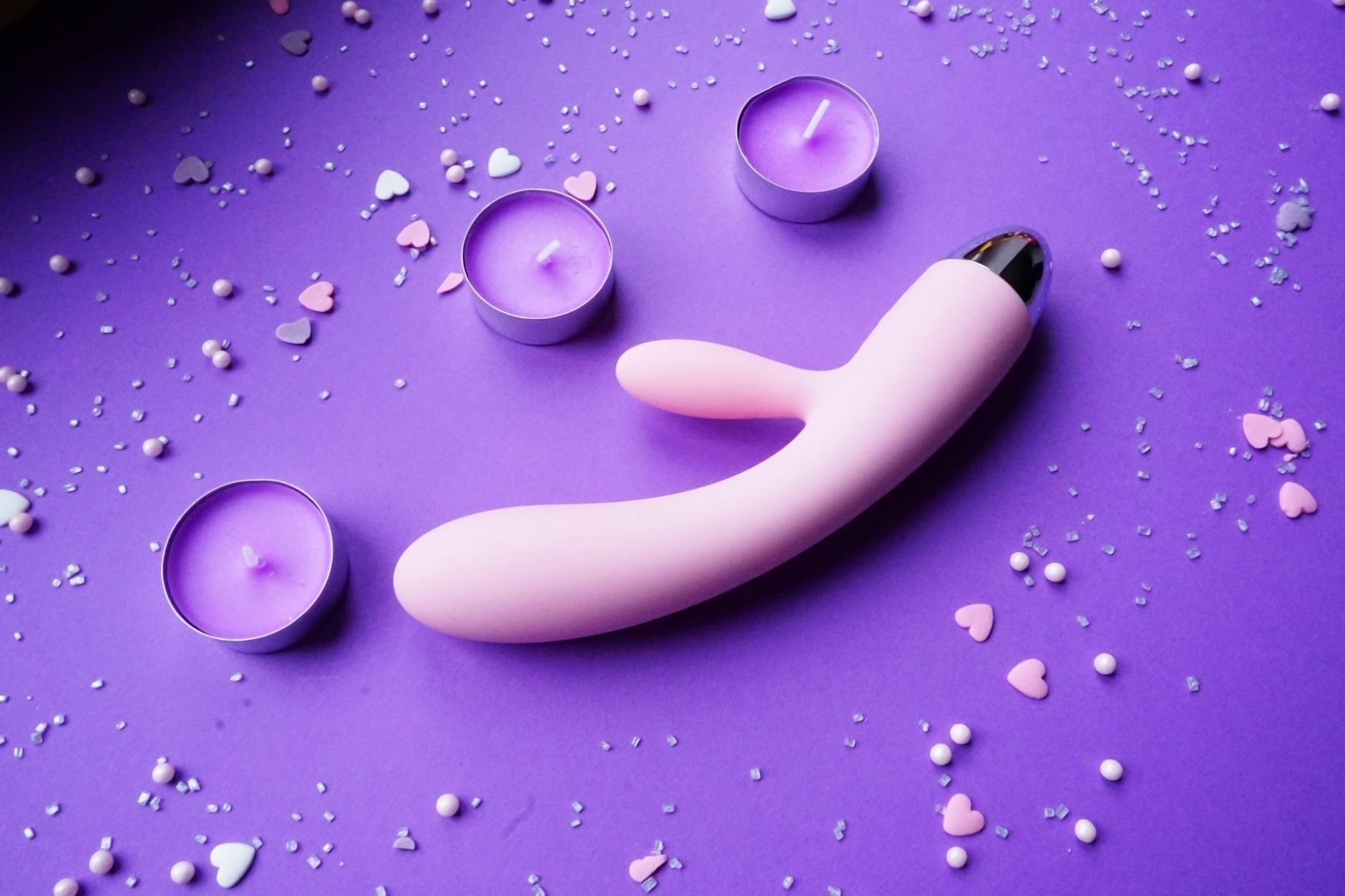
Photo by FounderTips on Pexels
Why clitoral suction feels different than it did before
When you have numbness or delayed sensation from medication, your nervous system needs more stimulation to register pleasure. This is where lemon vibrators excel. Unlike traditional vibrators that pulse at a set frequency, a device like the Lem uses clitoral suction (also called air pulse technology) to create a lifting, rhythmic sensation that engages the entire clitoral complex, not just the surface.
Medication-related numbness often affects the outer layers first. Suction technology bypasses that layer and works deeper, which means you get feedback even when the tippy-top feels muted. The sensation is different from what you're used to. It's often more concentrated. It doesn't mean the vibrator isn't working. It means it's working in a way that works with your current nervous system, not against it.
Some people report that after adjusting to medication, suction-based lemon sexual toys feel better than traditional vibrators ever did because the mechanism is inherently more powerful and more targeted.
The practical adjustments that actually work
If you're taking medication that dulls sensation, here are the concrete changes that make a difference.
Start with settings you'd normally skip. On a lemon clitoral vibrator, you might usually begin at pattern 2 or 3. When you're on medication that affects sensation, start at pattern 5 or 6. This isn't because you're broken. It's because you need a stronger signal to register pleasure. Once the stimulation builds and your body wakes up, you can dial down to patterns you prefer. But don't start low expecting your nervous system to respond the way it used to.
Double your warm-up time. Arousal takes longer when you're medicated. Budget 20 to 30 minutes instead of 10. Use this time for what actually turns you on. Read erotica. Watch something that engages you. Touch yourself. The goal isn't to rush to the vibrator. The goal is to get your nervous system genuinely engaged before you introduce a powerful tool.
Use a ton of lube. Not because you're dry, necessarily, but because lube increases conductivity between the vibrator and your tissue. This makes every sensation register more clearly. Medication can reduce natural lubrication, but more importantly, additional lube simply makes suction technology work better. Waterbase only if you're using silicone toys. Don't skip this step.
Vary the location slightly. The Lem works on the clitoral hood, the glans, and around the entire external clitoral body. If sensation feels flat in one spot, try moving the vibrator slightly up, down, or side to side. Medication can make certain areas feel more reactive than others. Exploration is part of adaptation.
When sensation changes might signal something else entirely
Not all changes to sensation are medication side effects. If sensation dulled right after you started a new medication, that's almost certainly the drug. But if you've been on the same medication for months and suddenly things feel different, there might be something else happening.
Hormonal changes can sneak up on you. If you haven't had a period in a while and you're not on hormone replacement, you might be entering perimenopause or menopause. That's a different adjustment. If you've recently gained or lost significant weight, your hormone profile shifts. If you're under new stress or dealing with relationship tension, your nervous system might be protecting itself by dampening sensation.
The point: medication is one variable. It's worth checking in with what else is true for you right now before you assume the pill is the whole story.
Talking to your doctor about this without embarrassment
Here's the awkward part that almost nobody does: tell your prescriber. I mean actually tell them, not hint or minimize it. Sexual side effects are incredibly common, and they're also incredibly treatable. Your doctor has heard this before. Many times.
Say it plainly: "Since I started this medication, orgasm takes much longer or doesn't happen as easily. What are my options?" Options might include adjusting the dose, taking it at a different time of day, adding a medication that counteracts the sexual side effect, or switching to a different drug in the same class that has fewer sexual side effects. SSRI-induced sexual dysfunction is so well documented that specific medications exist to treat it.
You're not complaining. You're providing medical information. Your doctor needs to know because it affects your quality of life and your treatment plan.
The role of a lemon vibrator in medication adaptation
A high-quality clitoral vibrator like a lemon sucker isn't a workaround for medication side effects. It's a tool that works within your current reality. You're not trying to feel exactly the way you did before the medication. That might not be possible. Instead, you're learning how pleasure feels in your medicated body and what stimulation strategy actually registers for you now.
This often means discovering that clitoral vibrators work differently than you expected. You might find that what felt overwhelming before now feels satisfying. You might discover that you prefer longer sessions with lower intensity instead of quick, intense ones. You might realize that suction-based lemon sexual toys create sensations that traditional vibrators never did, medication or not.
Many people tell me this adjustment period, while frustrating at first, led them to a richer understanding of their own pleasure because they had to slow down and pay attention.
FAQ: Medication, sensation, and your lemon vibrator
Q: Will my sensation come back if I stop the medication?
Often, yes. Sexual side effects from SSRIs usually resolve within a few weeks of stopping the medication, though some people experience longer adjustment periods. But don't stop medication to test this without talking to your doctor. The benefit of the medication almost always outweighs the sexual side effect. Work with your prescriber on timing and alternatives.
Q: Should I tell a partner that my sensation is different?
If you have a partner, yes. Not as an apology or a problem to solve, but as information. "I started a medication that changes how I respond sexually. My nervous system needs more time and stronger sensation right now." This becomes a conversation about adaptation, not about your partner doing something wrong. You can explore a lemon vibrator together, or you can use it solo. Either way, transparency prevents resentment from building.
**Q: Does medication dull sensation permanently?
Not usually. Most people find that after a few months, their nervous system adapts and sensation improves somewhat, even while staying on the medication. It doesn't return to baseline, but it becomes less noticeable. Continuing to use a clitoral vibrator during this adaptation helps your nervous system stay engaged.
**Q: Can I use a lemon clitoral vibrator more frequently if I'm on medication that dulls sensation?
Yes, safely. In fact, more frequent use can help your nervous system stay sensitized. Your pelvic floor tissues don't wear out from vibrator use. Just make sure you're giving yourself recovery time between sessions (at least a day or two) to avoid temporary desensitization.
**Q: What if the lemon vibrator still doesn't work after I've adjusted the settings?
First, give it time. Your nervous system needs several sessions to recalibrate to medication changes. If you've tried higher settings, longer warm-up, and abundant lube for at least two weeks and sensation still feels absent, talk to your doctor. Sometimes a dose adjustment or medication change makes a real difference.
**Q: Are clitoral vibrators different from lemon sexual toys?
Not really. Lemon vibrators and lemon clitoral vibrators are the same category. Some people use "lemon sexual toy" to mean the broader category and "lemon vibrator" or "lemon clitoral vibrator" to mean a specific device. Hello Nancy's lemon clitoral vibrator uses suction technology, which works particularly well when sensation is muted.
What actually changes when you adjust your approach
You don't need to accept a flat sexual response just because you're on medication. You need to accept that your approach to pleasure might need to shift. This doesn't mean something is wrong with you. It means you're working with the reality of your body right now.
For most people, that means stronger sensation, more time, and permission to explore what actually feels good in a medicated body instead of chasing what used to feel good in an unmedicated one. A lemon vibrator becomes not a replacement for sensation you lost, but a tool that meets your nervous system where it actually is.
If you're navigating medication side effects and your current approach isn't working, that's worth talking through with your doctor and exploring with some curiosity about what pleasure can feel like now. Your body isn't broken. It's just different. And different doesn't have to mean less.