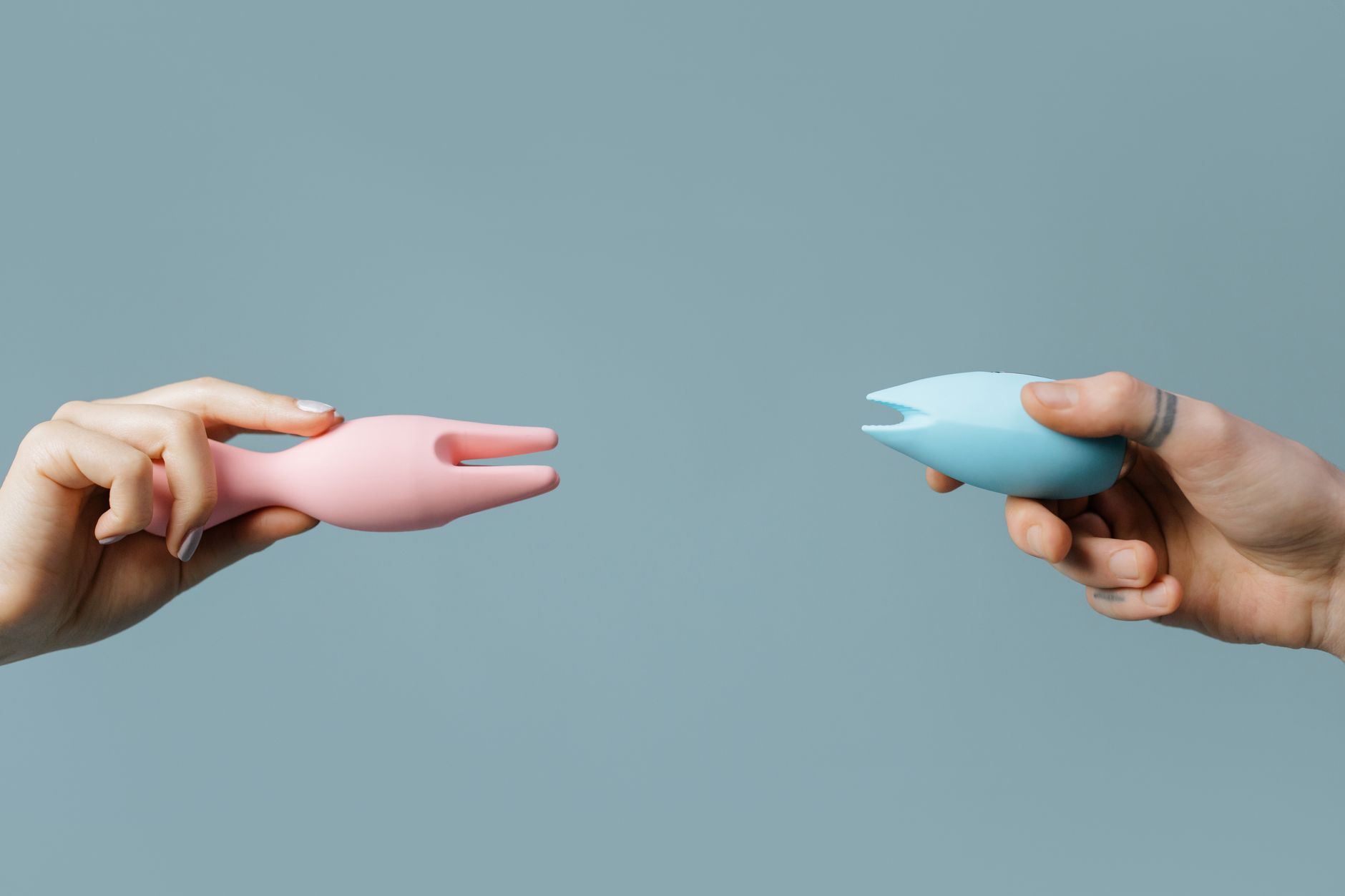
Let's talk about sensitivity the way nobody else does
Here's the thing that catches most people off guard: sensitivity isn't binary. You're not just "sensitive" or "not sensitive." Your clitoral nerve endings have their own preference for speed, pressure, and pattern. And that preference doesn't stay the same across your cycle, your age, or even the time of day.
Most people buy a vibrator and assume they're broken when it doesn't feel right immediately. What's actually happening is a mismatch between how the toy works and how your particular nervous system likes to be stimulated. A lemon clitoral vibrator works brilliantly once you understand what sensation pattern your body is asking for.
Why standard vibrator intensity doesn't work for everyone
Here's the neurology. Your clitoris contains roughly 8,000 nerve endings concentrated in a space smaller than a pea. But the density and responsiveness of those nerves varies wildly person to person. Some people have highly responsive nerves that fire quickly and intensely. Others need slower, more sustained stimulation to build momentum. Neither is better. They're just different wiring.
Most vibrators on the market are designed for one intensity curve: ramp up, plateau at maximum. That works fine if your nerves like rapid escalation. But if you're someone whose arousal builds in waves, or whose sensitivity increases gradually over 20-30 minutes, a standard vibrator can feel either underwhelming or aggressively overstimulating.
The suction-based design of a lemon vibrator actually works around this problem because suction operates differently than buzzing. Instead of vibrating the tissue, it creates a gentle pulling rhythm. That gentler approach is often easier to control and adjust to your actual sensitivity level.
The three sensitivity patterns I see most often
Pattern One: High-frequency responders. Your nerves light up fast and you like quick, intense stimulation from the start. You need a vibrator that doesn't require warm-up time and delivers immediate sensation. You'll gravitate toward higher settings quickly and stay there. A lemon vibrator's lower settings might feel too slow, but once you hit pattern 3 or 4, the suction creates a satisfying intensity without the harshness of pure vibration.
Pattern Two: Gradual-buildup people. You need time to warm up. Your arousal is slower, and sensation that feels fine after 15 minutes felt painful at minute two. You probably avoid vibrators altogether because "maximum setting" feels like assault on a cold start. The lower settings on a lemon vibrator (patterns 1-2) are genuinely gentle enough for extended warm-up without feeling pointless. You can stay in low intensity for as long as you need.
Pattern Three: Hypersensitivity with texture preference. Your nerves are reactive, but direct vibration feels too sharp or buzzy. You prefer gentle, sustained pressure over rapid movement. Suction achieves this beautifully because it's a pulling sensation rather than a vibrating one. Even on higher settings, a lemon vibrator feels smoother than traditional vibrators because the sensation is pressure-based, not vibration-based.
How to figure out which pattern you actually are
Forget the guesswork. Here's what I ask my clients to pay attention to:
When you're already aroused and touch yourself, what feels best? Fast circles or slow, firm pressure? Do you want to increase stimulation immediately or do you need 10-20 minutes of light touch first? If your partner touches you, what speed do they naturally settle into? Most people settle into their preferred rhythm unconsciously. Watch that.
Second: what's your experience with vibrators you've tried before (even if you didn't like them overall). Did they feel too intense too fast? Too weak to feel anything? Just right but you got bored? Your past experiences point directly to your sensitivity pattern.
Third: think about other sensations you enjoy outside the bedroom. Do you like deep pressure massage or light touch? Spicy food or mild? Do you prefer bright lights or dim? These aren't random. Nervous systems have consistent preferences across different types of stimulation.
Matching sensitivity patterns to lemon vibrator settings
If you're a high-frequency responder, start at pattern 2, not pattern 1. You'll likely be frustrated by pattern 1 and skip it, so save yourself five minutes and begin where you'll actually stay. Test how patterns 3-4 feel without building up to them. You want immediate feedback, so don't assume you need a "warm-up."
If you're a gradual-buildup person, commit to patterns 1-2 for your first week. I know it feels slow. That's the point. Your body is learning that this is safe, and once arousal builds, you can increase. By week two or three, you'll be transitioning to pattern 3 naturally. Your sensitivity will increase as you become more familiar with the sensation.
If you're hypersensitive to vibration, the suction design of a lemon vibrator is actually your answer. The pulling sensation is fundamentally gentler than buzzing. You might still prefer lower patterns, but you're less likely to feel that "too sharp" sensation that drives people away from traditional vibrators altogether.
Why lube, positioning, and timing matter as much as the vibrator itself
Your sensitivity isn't static. It changes throughout your menstrual cycle. You're more sensitive during ovulation (roughly day 12-14 if you have a 28-day cycle) and less sensitive during your period. If you're post-menopausal or on hormonal birth control, your baseline sensitivity is lower and more stable across the month. None of this is a problem. You just want to know it so you're not chasing a "broken vibrator" when your cycle shifted your sensitivity.
Lubrication also massively affects perceived sensitivity. Water-based lube reduces friction, which means tissue feels less intense stimulation. If a lemon vibrator felt too intense last month, add lube and test again before concluding it's not for you. The difference is often night and day.
Position matters too. Direct contact is more intense than contact through layers of fabric. Your body position affects how much pressure the vibrator creates. Lying on your back, sitting up, or tilting your pelvis all change the equation. Most people find one or two positions where sensitivity feels optimal. Spend time finding yours instead of assuming the vibrator is the problem.
The permission piece nobody talks about
Here's what I've learned in years of coaching: sensitivity awareness often bumps into shame. People apologize for being "too sensitive" or "not sensitive enough." As if their nerve endings are a character flaw.
They're not. Your sensitivity is information. It tells you what your body needs. If you need slow stimulation, that's not weakness. It's data. If you prefer intense sensation, that's not greed. It's what works. A lemon clitoral vibrator is just a tool that matches different data sets. The fact that you're paying attention to what you actually need instead of forcing yourself into someone else's preference is the whole point.
Troubleshooting when you're still not feeling it
You've identified your pattern, found the right setting, used lube, and it still feels meh. Before you conclude the vibrator doesn't work for you, check three things.
First, are you actually aroused before you start? Stimulation that feels mediocre when you're cold (mentally or physically) feels completely different once blood flow has increased. If you're using a lemon vibrator without foreplay or mental engagement, you're testing it in the wrong condition. Give yourself 10-15 minutes of context first.
Second, are you holding tension anywhere? A tight pelvic floor, clenched jaw, or tense thighs can numb sensation. The most sensitive nervous system in the world registers very little through braced muscles. Slow breath, relax your face, let your body weight sink into the surface beneath you.
Third, are you expecting novelty to feel like everything? The first time you use any new toy, your brain is busy processing the newness. Actual pleasure often arrives on the third or fourth use, once the novelty wears off and your body settles in. When arousal feels slow or delayed, consistency matters more than equipment.
A word on comparing your sensitivity to someone else's
I've coached a lot of couples through this: one partner loves intense sensation, the other needs gentle. The person who prefers gentle often assumes something is wrong with them. It's not. You're differently wired. A lemon vibrator is actually perfect for this dynamic because the suction sensation is inherently more adjustable and partner-friendly than traditional vibrators. Someone can comfortably hold it at low intensity for extended time without their hand getting tired or the sensation becoming offensive.
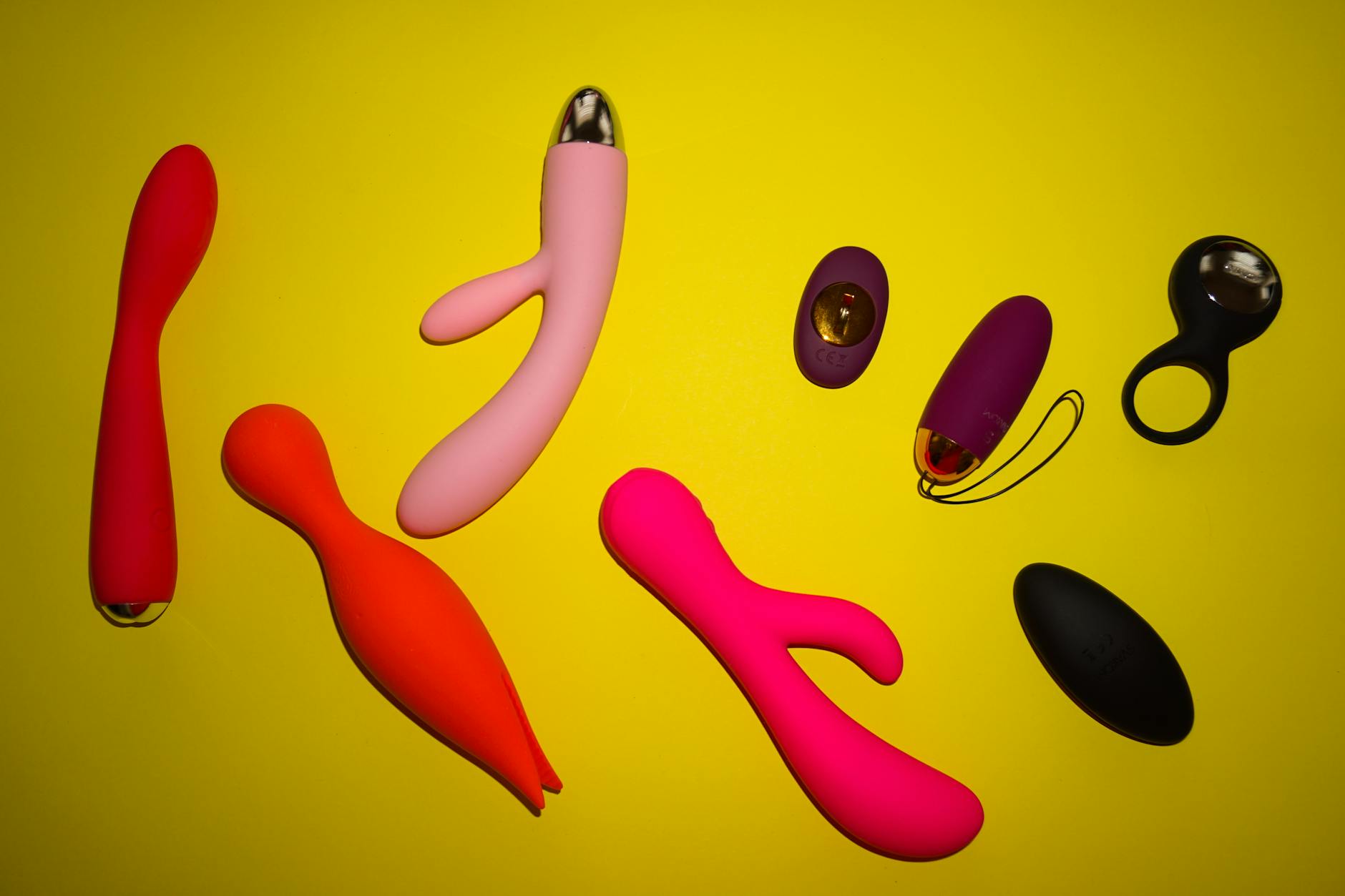
Photo by FounderTips . on Pexels
Your sensitivity is not a problem to overcome. It's a starting point for pleasure.
Frequently asked questions
What if I'm sensitive to the vibration itself, not just the intensity?
That's actually really common, and it's one reason lemon vibrators (which use suction rather than vibration) work so well for sensitive people. If traditional vibrators feel buzzy or overwhelming even on low settings, the pulling sensation of a lemon clitoral vibrator might feel much more comfortable. You can test this by paying attention to whether you prefer firm, sustained pressure in daily life (deep massage feels better than light touch) or if you actually prefer light, quick movements. If you lean toward firm and sustained, suction is your answer.
Does my sensitivity change as I get older?
Yes. Testosterone naturally decreases with age in people with ovaries, which often means arousal is slower and stimulation feels less intense. You might notice you need longer warm-up time, higher settings on a vibrator, or more lube. This isn't a decline. It's a shift. Understanding the shift helps you match your current sensitivity with the right toy, rather than chasing the sensation patterns that worked when you were 25.
Can anxiety make me feel less sensitive?
Completely. Anxiety triggers the sympathetic nervous system (fight-or-flight), which literally restricts blood flow to the genitals and tenses muscles. You can have completely healthy nerve endings and feel numb because your brain is in protective mode. If sensitivity is inconsistent and seems to correlate with stress or relationship tension, the vibrator isn't the problem. Your nervous system needs safety and presence before sensation will register. That might mean longer foreplay, more lube, less time pressure, or addressing what's making you anxious in the first place. A lemon vibrator can help once you've created that safety, but no toy solves an activated nervous system.
What if I'm on antidepressants and my sensitivity changed?
Some SSRIs absolutely numb sensation and delay orgasm. This is a known side effect. If this happened to you, have a conversation with your prescriber. There are sometimes medication adjustments or timing changes that help. Some people switch to lemon vibrators specifically because the suction sensation is easier to feel through numbness than traditional vibration. You might also find that using a lemon vibrator when antidepressants numb your arousal requires longer warm-up and higher settings than you'd expect. That's normal, and it doesn't mean the medication is wrong for you overall.
Is there a "right" sensitivity level?
No. Sensitive, moderately sensitive, and low-sensitivity are all normal. The only problem is mismatch between what your body needs and what a toy delivers. A lemon vibrator's range (from very gentle suction to more intense) is designed to span different sensitivity patterns. The goal isn't to feel like someone else. It's to feel like yourself, completely, and have tools that match that.
Can sensitivity be affected by cycle timing or hormones?
Absolutely. If you menstruate, you likely notice your sensitivity fluctuates. Right before ovulation, you're usually more sensitive. During your period, you might be less sensitive or prefer firmer pressure. If you're post-menopausal or on hormonal birth control, your sensitivity baseline is more consistent but often lower than it was before. Track what you notice over a few weeks. You'll probably see a pattern. Once you know it, you can adjust which setting of your lemon vibrator you reach for depending on where you are in your cycle. It's not that one setting is wrong. You just get more specific about timing.
Here's what actually changes when you match sensitivity correctly
You stop fighting the tool and start using it. You stop wondering if you're broken. You stop comparing yourself to someone else's preference. You start noticing what genuinely feels good, and you lean into that instead of pursuing someone else's definition of pleasure. When you feel disconnected from pleasure, that reconnection often starts with permission to follow your actual sensitivity, not an imagined "right" one.
A lemon clitoral vibrator is just equipment. The real shift happens when you understand your own nervous system well enough to choose tools that work with it, not against it. That's when vibrators stop being a confusing experiment and become genuinely useful.