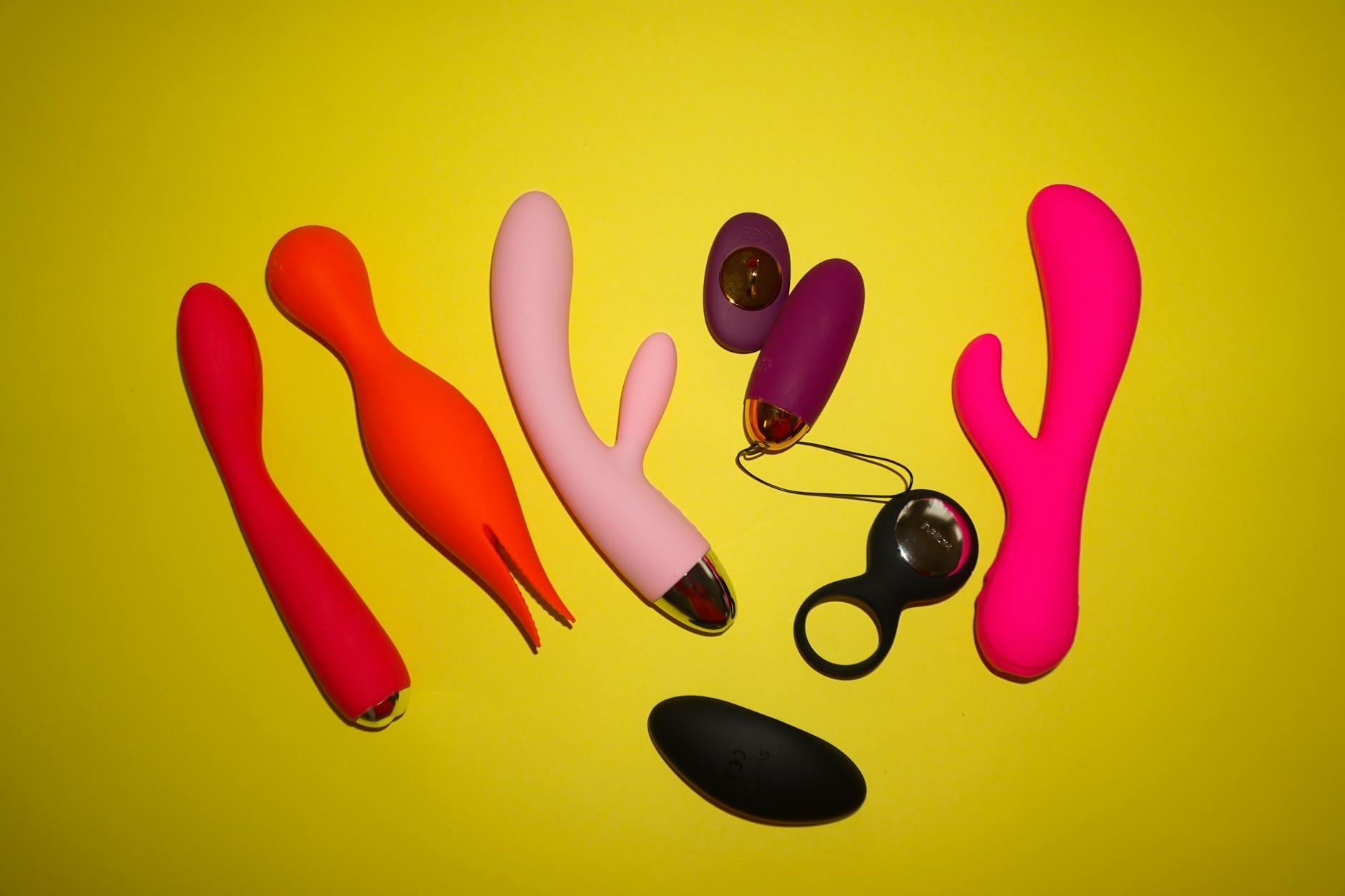
When touch becomes complicated
Vulvodynia isn't one thing. It's a chronic pain condition affecting the vulva, and for the people living with it, "let's just relax and enjoy it" ranks somewhere between useless and insulting. The pain is real, neurological, and unpredictable. And pleasure doesn't get to be a footnote.
Here's what I've learned from clients managing vulvodynia who still want an active sexual life: the right kind of stimulation can coexist with pain management. This isn't about pain relief. It's about finding sensations that don't trigger the pain cycle.
Why traditional vibrators often backfire
Most clitoral vibrators work through oscillation. The device vibrates in and out, or side to side, at high frequency. For someone with vulvodynia, direct oscillation can trigger a pain response because it creates sustained pressure and friction on already sensitized tissue.
Lemon vibrators, also called suction vibrators or air-suction clitoral vibrators, work entirely differently. Instead of vibrating directly against tissue, they use gentle suction and pulsing air patterns to stimulate the clitoral complex. The sensation is diffuse, broad, and indirect.
This distinction matters wildly. One client described it like this: "A traditional vibrator feels like someone tapping on a bruise. The suction feels like someone breathing on me." The pain pathways stay quiet.
The mechanics of why suction actually helps
Vulvodynia involves sensitized nerve endings and heightened pain signaling in the vulvar area. When you apply sustained pressure or intense vibration, you're activating pain fibers. Suction-based stimulation with a lemon vibrator stimulates different nerve endings. The clitoral complex has sensory pathways that respond beautifully to negative pressure and rhythmic pulsing without the pressure component that triggers pain.
Think of it this way. Oscillating vibrators are like constant, direct contact. Lemon vibrators create a gentle pulling sensation that shifts and releases. For many people with vulvodynia, that rhythm feels safe to the nervous system.
Additionally, the broader contact area of suction means less concentrated pressure on any single spot. You're distributing sensation across the clitoral region rather than targeting one hypersensitive zone.
Starting slow when pain is part of your history
If you've been managing vulvodynia for a while, your nervous system has learned that certain sensations mean pain incoming. Retraining that response takes time and gentleness.
Here's how I'd suggest starting:
First week: sensation mapping. Use the lowest suction setting on your lemon vibrator for just 30 seconds at a time. You're not trying to orgasm. You're finding out what pressure levels feel neutral, what feels good, and what triggers the pain response. This is data collection.
Second week: pattern exploration. Most lemon vibrators have multiple pulsing patterns. Try patterns 1 through 4 on the lowest suction level. Notice which one doesn't activate your pain. You might find that a gentler, slower pattern feels completely different from a faster one.
Third week: slightly longer sessions. If you've found a setting that feels genuinely good, extend it to 2 to 3 minutes. Still no pressure to finish. Just pleasure without agenda.
Fourth week onward: you know your body. Some people stay on low settings forever. Some gradually find they can tolerate higher suction. Some discover that certain patterns trigger pain while others don't. There's no rush.
The role of lubrication and position
Vulvodynia often coexists with reduced lubrication, either from hormonal changes or the nervous system's protective response. Lubrication matters here not just for comfort but because it creates a buffer between the device and your tissue.
Use plenty of water-based lube. This isn't about shame. It's engineering. Lubrication reduces friction, which means less pressure needed for sensation, which means less pain activation.
Position matters too. Many people find that lying back with pillows supporting the hips feels safer and more comfortable than sitting up. When your pelvic floor is already tense from pain management, gravity adding weight to the area can worsen things. Reclined positions let those muscles relax.
Some people with vulvodynia also benefit from using a lemon vibrator over clothing or with a thin barrier (like a silk cloth) between the device and skin. This diffuses sensation even further. Try it if direct contact feels too intense.
Managing flare-ups without losing momentum
Vulvodynia is unpredictable. You might have a week where stimulation feels amazing, then three days where even light touch triggers burning. This isn't failure. It's the condition.
When you're in a flare-up, stepping back from any vibrator makes sense. But here's what I want you to know: one painful session doesn't undo your nervous system's learning. When you return to your lemon vibrator after a flare, you're not starting over completely. Your body hasn't forgotten what felt good.
Many of my clients find that during flare-ups, they can still use external pleasure tools on other parts of their body. Some discover that using a lemon vibrator on the inner thighs or lower abdomen feels soothing during flare cycles. You're not abandoning pleasure. You're redirecting it.
When to involve a partner
If you have a partner, involving them in this process requires conversation that's separate from sex. "My pain varies day to day, and we need to check in before we touch" is very different from "I don't want to be touched." One is managing a condition. One sounds like rejection.
Some partners find that using a lemon vibrator on their partner feels less pressure-laden than penetrative sex or other forms of stimulation that involve more direct contact. The device does the work. They get to focus on presence and connection.
Others prefer staying hands-off during pain flare-ups entirely, and that's valid too. The key is deciding this outside the bedroom, when bodies aren't on the line.
Why clitoral vibrators with suction matter for this specific condition
Vulvodynia is chronically underfunded in research and often dismissed by healthcare providers who don't specialize in it. Lemon vibrators aren't a cure, and I'm not claiming they are. But they're one of the few pleasure tools specifically well-suited to vulvodynia physiology.
A lemon clitoral vibrator works because it bypasses the pressure problem entirely. It's not a workaround. It's actually more aligned with how the clitoral complex wants to be stimulated when pain is part of the picture.
You deserve an active sexual life, even while managing chronic pain. That's not naive optimism. That's what the nervous system research actually shows: when the right stimulus reaches the right nerve pathways, pleasure happens.
FAQ: Vulvodynia and Pleasure
Can I use a lemon vibrator if I'm in the middle of a vulvodynia flare-up?
During acute flare-ups, it's usually best to pause. But "pause" doesn't mean forever. Many people find that waiting 48 to 72 hours, then starting at the very lowest setting with extra lubrication, feels manageable. Listen to your body. If it triggers more pain, stop. If it feels neutral or good, you're okay.
Will using a lemon vibrator make my vulvodynia worse over time?
No, as long as you're starting low and not using it during acute flare-ups. Pleasure itself doesn't cause vulvodynia. Pain that's triggered during pleasure can make the condition feel more present, but that's different from worsening the condition. Using a device designed not to trigger pain (like a lemon vibrator) significantly reduces that risk.
How is suction stimulation different from vibration for people with pain?
Vibration is rapid, direct contact. It activates pressure-sensitive nerves. Suction is gentler, diffuse, and rhythmic. It activates sensory nerves without the pressure component. For vulvodynia, that's usually the difference between pain and pleasure.
Can I use a lemon vibrator during partnered sex if I have vulvodynia?
Yes. Many people with vulvodynia find that using a lemon vibrator during partnered sex reduces pain triggers. The device provides stimulation that feels good, partners can focus on other forms of connection, and everyone's nervous system stays calmer. It's not a Band-Aid. It's a tool that works with your body.
Should I tell my doctor that I'm using a vibrator for vulvodynia management?
If you have a vulvodynia-informed healthcare provider, yes. If you're not sure your provider will take you seriously, you don't have to share. But for providers who specialize in pelvic pain, vibrator use is a legitimate part of managing the condition. Some actually recommend it.
What if suction vibrators also trigger pain for me?
Some people with severe vulvodynia find that any direct stimulation is off the table temporarily. In that case, external stimulation (thighs, abdomen, anywhere else) might feel good. Or partnered touch. Or fantasy and mental pleasure without any device. Pleasure has many forms. If a lemon vibrator doesn't work, something else will.
You deserve pleasure that fits your body
Vulvodynia is a chronic condition that deserves serious medical care. Using a lemon vibrator isn't a substitute for that. But managing pain doesn't mean giving up on pleasure. Suction-based clitoral stimulation is one of the only vibrator designs that can genuinely work with vulvodynia physiology rather than against it.
If you're ready to explore, start low, check in with your nervous system, and adjust based on what you feel. Your body will tell you what works.
Have questions about how to approach pleasure with chronic pelvic pain? Reach out to our team at Get Lems. We're here to help navigate this.