Here's the uncomfortable truth about rebuilding sex after infidelity
Let's be real. When infidelity happens, the sexual relationship doesn't just cool off. It fractures. Your body stops trusting. Your brain replays scenarios you wish you could unsee. And suddenly, the thing that used to feel like connection now feels like vulnerability you're not sure you want to offer.
Most couples therapy focuses on communication and rebuilding emotional trust. That's essential. But nobody talks about how to rebuild the physical connection when your nervous system has learned that sex with this person isn't safe anymore. That's where things get stuck.
Why traditional intimacy advice fails after betrayal
The standard playbook says: "Take it slow. Communicate. Go back to basics." Helpful, sure. But it doesn't account for the specific problem infidelity creates. You're not just rediscovering pleasure with a partner. You're rewiring your body's response to someone who violated your trust.
When you try to jump back into partnered sex too soon, your nervous system is still in protection mode. Arousal takes longer. Orgasm feels harder or impossible. Your body isn't being difficult on purpose. It's doing exactly what it's supposed to do. It's protecting you.
That's why starting with solo pleasure, on your own terms, changes everything. It gives your nervous system permission to remember that pleasure is safe. That your pleasure matters, separate from your partner's presence or performance.
How lemon clitoral vibrators reframe solo pleasure in recovery
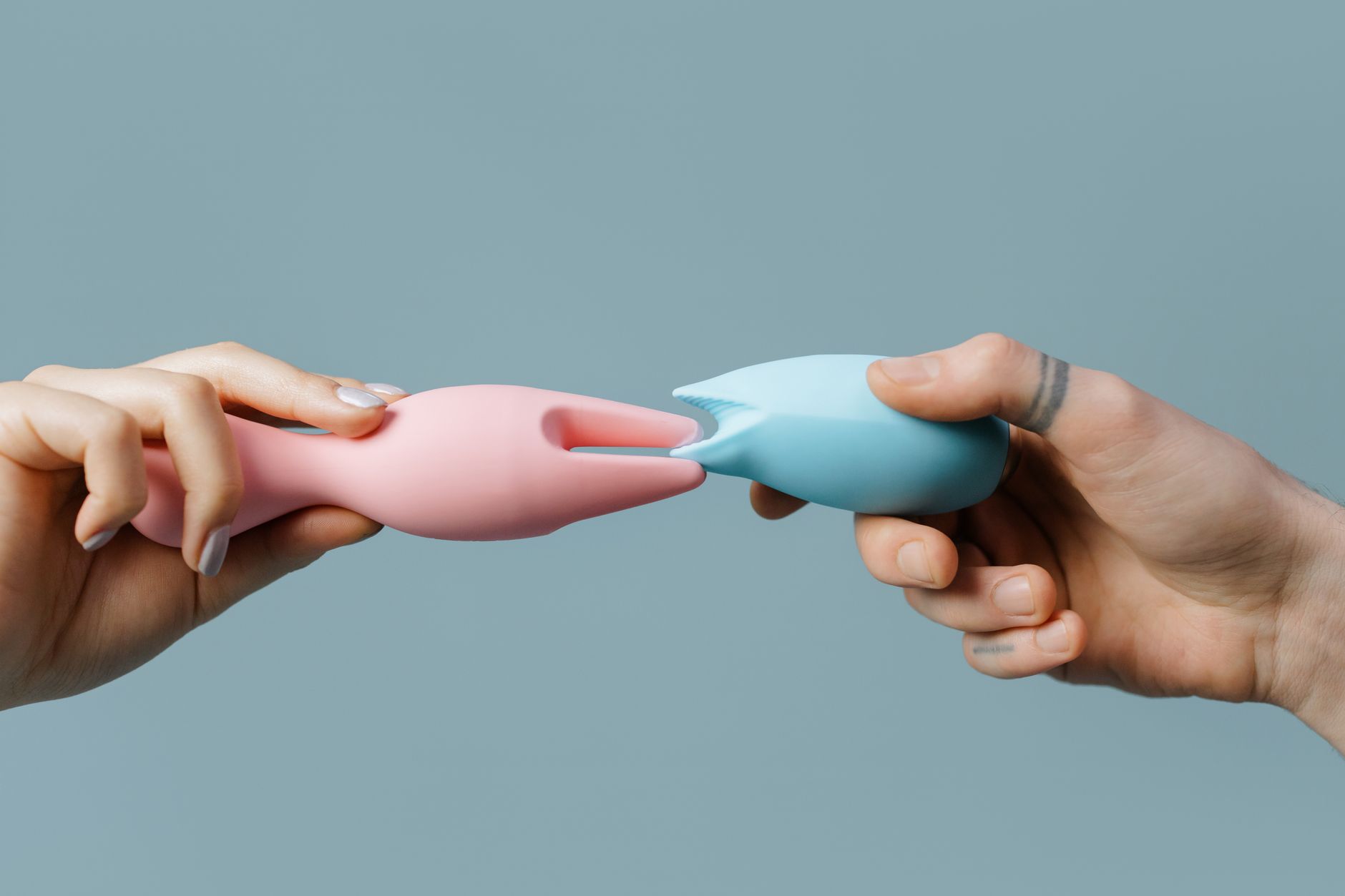
Lemon vibrators work differently than traditional vibrators. The suction-based stimulation of lemon toys bypasses the pressure-and-friction model that many people associate with partnered sex. Instead, you're building arousal in a gentler, more controllable way.
This matters in recovery because it separates the sensation of pleasure from the context of your relationship. You're not practicing for your partner. You're not performing recovery. You're legitimately exploring what feels good on your body, right now, without expectation.
Many of my clients report that solo exploration with a lemon vibrator actually becomes a turning point. The first time they have a strong orgasm after infidelity, it's often alone, with no pressure. That's not a setback. That's crucial nervous system recalibration.
The three stages of rebuilding intimacy with a partner present
Stage one: Solo exploration without your partner. This is where you rebuild your own arousal capacity. Use a lemon clitoral vibrator, learn what you need, and let your body remember that pleasure is available to you. No audience. No expectation. This typically takes 2-4 weeks of regular solo practice.
Stage two: Solo exploration with your partner in the room (but not participating). This is where your partner learns to be present with your pleasure without controlling it. You're setting a boundary: your orgasm is yours. They're invited to witness it, not produce it. This reestablishes that your pleasure has value independent of their involvement.
Stage three: Collaborative pleasure (when both are ready). Only after your nervous system has remembered that pleasure is safe do you bring partnered sex back in. And even then, lemon vibrators stay in the picture. You're not replacing them with partnered penetration. You're adding layers of connection on top of a foundation where both partners know their own pleasure matters.
This progression takes time. That's not a failure. That's recovery.
What changes when both partners prioritize independent pleasure
Here's something couples rarely discuss: infidelity often happens because one partner has disconnected from their own pleasure and started seeking it elsewhere. That's not an excuse. But it's a pattern.
When you rebuild intimacy by teaching both partners to prioritize their own arousal first (using tools like lemon sexual toys if that's what works), you're breaking that cycle. Suddenly, both people have a reason to stay connected to their own desire. Pleasure isn't something you extract from your partner. It's something you both bring to the relationship.
I've seen couples who use lemon vibrators together report something counterintuitive: the distance closes faster. Why? Because you're not trying to fake your way back to passion. You're both admitting what you actually need, and you're showing up for it. That honesty rebuilds trust faster than forced intimacy ever could.
The role of agency and control
Infidelity often strips agency. You lose the ability to control your partner's choices, your body's sense of safety, your narrative about your own relationship. Getting that agency back matters more than people realize.
Using a lemon vibrator in solo recovery is, at its core, an act of agency. You're choosing the speed, the pattern, the duration. You're not negotiating anyone else's needs. You're not managing their insecurity. It's yours alone.
When you're ready to reintroduce your partner, this agency stays. It doesn't disappear. It gets shared. And that shared agency is the foundation of actual trust, not the fragile approximation of it.
Practical steps for starting this process
If you're considering this approach with a partner, here's how to begin.
First, have a conversation (outside the bedroom, with clothes on) about what you both need. This isn't about blame. It's about stating what's true. "My body doesn't feel safe yet." "I need to rebuild my own sense of pleasure first." "I want to try a different approach." Say it plainly.
Second, give yourself permission to explore solo. Two to four weeks of regular practice with a lemon clitoral vibrator, on your own schedule, with no performance pressure. Track what you notice. What patterns of stimulation work? How long does arousal take? Do orgasms feel different at different times of day? This is data about your body, separate from your relationship.
Third, when you're ready, invite your partner to witness (not participate). This step can feel vulnerable. It is. That's kind of the point. You're showing them your pleasure on your terms, and they're learning to receive that without controlling it.
Fourth, only when both of you feel ready, reintroduce partnered intimacy. But lemon vibrators don't leave the picture. They become part of your regular practice because they work. Because they prioritize your pleasure. Because they're a tangible reminder that both partners' arousal matters.
What if your partner resists this approach
Some partners get uncomfortable with solo exploration. It can trigger their own insecurity. "Why do you need a toy?" Or, after infidelity, "You're choosing a device over me?"
That's a conversation worth having, because it tells you something important about whether your partner actually understands what recovery requires. Recovery isn't about getting back to the way things were. It's about building something more honest, where both people's pleasure and agency are non-negotiable.
If your partner can't support that, couples therapy isn't optional. Recovery from infidelity without a willingness to prioritize your pleasure separately, then together, typically stalls. You need someone trained in this to help.
The timeline is individual
I mention this because there's a huge cultural pressure to "move on" after infidelity. Get back to normal. Prove the relationship is fine by resuming sex. That timeline serves nobody.
Your nervous system doesn't operate on anyone else's schedule. Some people rebuild arousal capacity in weeks. Others take months. Both are normal. Using tools like lemon vibrators actually speeds this up because you're giving your body consistent, predictable, safe stimulation. But it still takes what it takes.
Don't let anyone rush you. Not your partner, not your therapist, not the internet's idea of what recovery should look like.
FAQ: Lemon vibrators and rebuilding intimacy after infidelity
Will using a vibrator make it harder to have sex with my partner later?
No. The opposite is often true. When you rebuild arousal capacity independently, you're actually better equipped to feel pleasure with a partner. You know what works for your body. You're not dependent on them to produce your pleasure. That clarity actually makes partnered sex less fraught because there's less pressure on both of you.
How long should I use a lemon vibrator solo before reintroducing partnered sex?
Two to four weeks of regular practice is typical, but this varies. The marker is when your arousal starts to feel consistent and your nervous system seems less reactive. When you notice you're thinking about pleasure as something available to you, rather than something you need your partner to provide or validate. That's when you're ready to move to the next phase.
Can we use a lemon vibrator together before I feel ready for penetrative sex?
Absolutely. Stage two (partner witnessing your solo pleasure) and early stage three (partner helping you use the vibrator) are powerful bridges. Your partner can hold the vibrator for you, or help position it, which creates collaboration without the vulnerability of penetration. This builds reconnection gradually.
What if I can't orgasm, even with a lemon vibrator?
That's your nervous system telling you it's not ready yet. This isn't a failure. It's information. Sometimes anorgasmia after infidelity means you need more time solo. Sometimes it means you need to address additional trauma with a therapist. Either way, keep exploring without the goal of orgasm. The goal is reconnection with sensation. Orgasm often follows when the nervous system feels safe.
Is it selfish to prioritize my pleasure in recovery?
No. It's essential. Infidelity is a violation of trust. Rebuilding that trust requires both partners to understand that individual pleasure, agency, and boundaries matter more than forced togetherness. When you reclaim your pleasure as non-negotiable, you're teaching your partner what trust actually means. That's the opposite of selfish.
How do I know if we should stay in the relationship while doing this recovery work?
That's a different question than this article can answer, and it's one worth exploring with a therapist individually first, then as a couple. What I'll say is this: if your partner is willing to support your independent pleasure, acknowledge the harm infidelity caused, and engage in real recovery work, that's a sign the relationship might be worth rebuilding. If they rush you, dismiss your needs, or can't sit with discomfort, that's information too.
The bottom line
Infidelity damages the sexual connection. But that damage doesn't have to be permanent. Rebuilding intimacy after betrayal isn't about forgetting what happened or jumping back to the way things were. It's about creating something more honest, where both partners' pleasure, agency, and boundaries are protected.
Lemon vibrators aren't a shortcut through recovery. They're a tool that helps your nervous system remember that pleasure is safe, that your body is yours, and that arousal can exist independently of your partner's presence. When both partners are willing to start there, the foundation gets stronger.
If you're navigating this, you're doing harder work than most people. That deserves respect. If you want to talk through your specific situation, reach out. Recovery isn't a solo journey, even when solo pleasure is part of it.
References
Gottman, J. M., & Silver, N. (2015). The Seven Principles for Making Marriage Work: A Practical Guide from the Country's Foremost Relationship Expert. Harmony. (Gottman Method research on trust rebuilding and emotional intimacy.)
van der Kolk, B. (2014). The Body Keeps the Score: Brain, Mind, and Body in the Healing of Trauma. Viking. (Nervous system response to betrayal and trust violation.)
Perel, E. (2018). The State of Affairs: Rethinking Infidelity. Harper. (Infidelity patterns and relationship reconstruction.)
Taubman-Ben-Ari, O., & Findler, L. (2005). Stress, personal resources, and coping responses in the Canadian context. Journal of Community Psychology. (Coping mechanisms and agency in recovery contexts.)