Let's be real about what happens to desire over time
After years together, desire often doesn't disappear. It gets quiet. The spontaneous rush fades. The easy arousal that lived in your early relationship becomes something you have to consciously choose. This isn't failure. It's what happens to almost every long-term couple, and it's also completely reversible once you understand the mechanics.
What changes is not your capacity for pleasure. It's the conditions under which your body can access it.
Why desire shifts in long-term relationships
Three overlapping things happen physiologically and psychologically. First, the novelty-driven arousal system that fires in new relationships naturally calms down. Your brain stops releasing dopamine surges when you see your partner's face. This isn't romantic decline. It's your nervous system settling into attachment, which is its own form of intimacy.
Second, the cognitive load of daily partnership fills the mental bandwidth that used to hold anticipation. You're managing schedules, logistics, shared decisions. Arousal requires mental space, and long-term relationships often crowd it out unless you actively protect it.
Third, the physical responsiveness actually changes. The ease with which your body moved into arousal in year two becomes something that takes longer in year ten. This is not a problem to fix. It's information that you need different conditions now.
Most couples interpret this shift as "we've lost it," when what's actually happened is "we need to learn a different playbook."
How clitoral stimulation resets the pathway
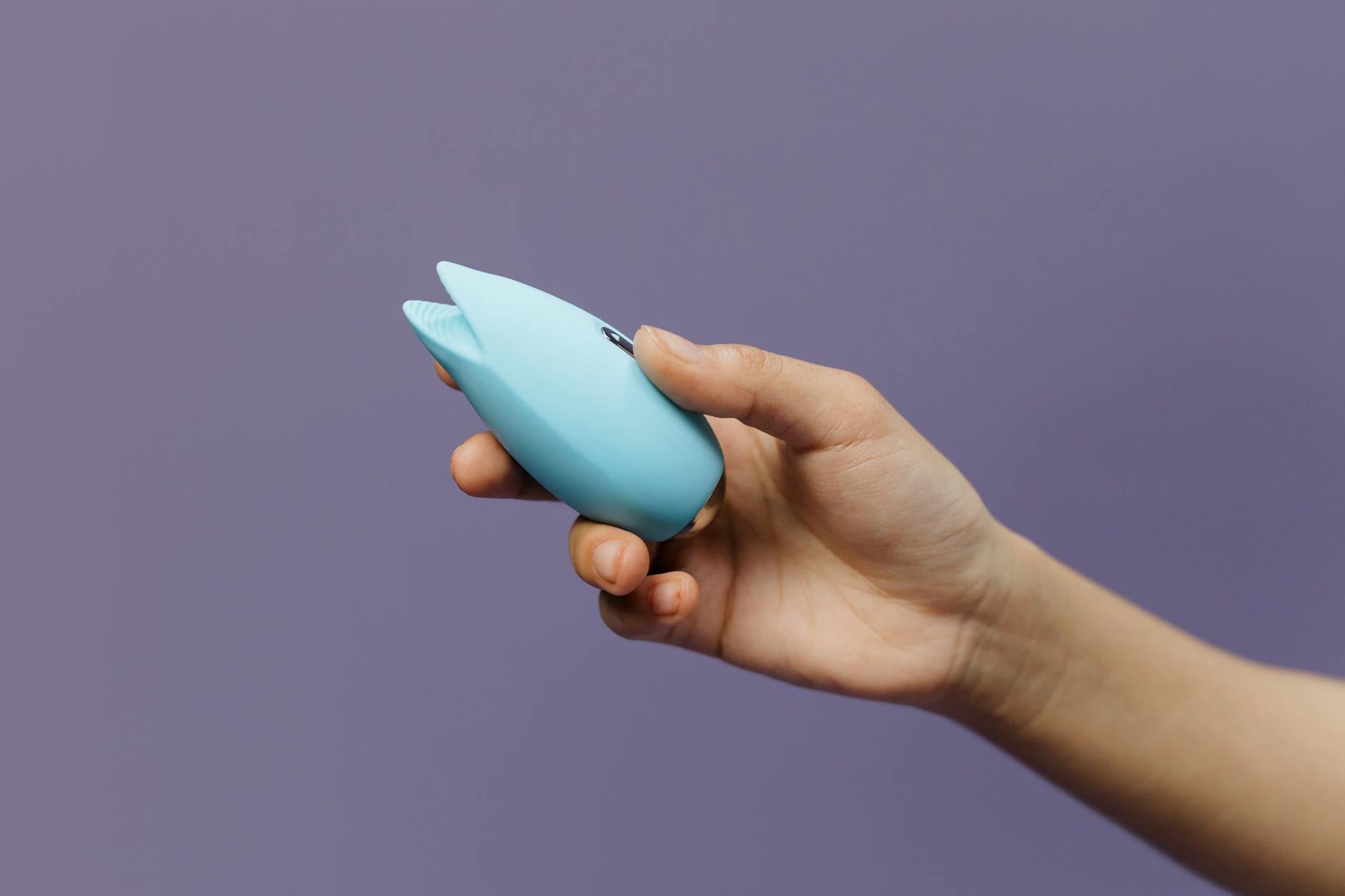
Here's where lemon vibrators enter the picture. Air-suction clitoral toys like the Lem create a different type of stimulation than partnered touch alone. They don't replace your partner. They create a sensation pathway that bypasses the friction and assumption that often builds up over years together.
When you use a lemon clitoral vibrator solo or with a partner, two things happen. Your nervous system gets direct, sustained stimulation that's hard to replicate with a finger or tongue, especially after years when the novelty of that touch has worn off. Second, you create a new mental association. Pleasure becomes something you're actively choosing and building, not something you're waiting to feel.
In my practice, couples who thought they'd "lost desire" often rediscover it once one or both partners use a lem vibrator independently. That solo exploration rebuilds the neural pathways for arousal. Then when you bring that rekindled pleasure back into partnered sex, the dynamic shifts. You're not waiting for your partner to generate arousal. You're arriving at the table with your own activated pleasure system.
The solo practice that restarts everything
If desire has faded in your relationship, starting with solo exploration using a lemon sexual toy is often more effective than trying harder in partnered sex. Here's why: your body needs to remember what arousal feels like when there's no performance pressure, no obligation, and no expectation that it "should" happen quickly.
With a lemon clitoral vibrator, you can spend 20 minutes exploring what intensity, rhythm, and pattern actually feels good to you right now. Not what felt good five years ago. Not what you think should feel good. What actually does. This self-knowledge is the foundation everything else builds on.
Start at a lower intensity setting. Many people expect that because they've been having sex for years, they can jump to pattern three and have an instant response. Usually you can't, because your arousal system has been running on autopilot. It needs reawakening. Spend a week or two exploring patterns one and two. Let your body remember the shape of pleasure.
Bringing the discovery back into partnership
Once you've spent time with a lemon adult toy solo, the conversation with your partner becomes different. Instead of "we've lost it," you can say "I found something that works for my body right now, and I want to explore it with you." That's not the same as initiating sex. That's inviting your partner into your own rediscovered arousal.
Some partners want to use the lem vibrator on you. Some want to use one on themselves while you're together. Some want to be present while you use it solo in front of them. All of these are legitimate ways to rebuild desire as a couple. The common element is that you're not relying on the old friction-and-partner-touch pathway that stopped working. You're creating a new one together.
I've worked with couples in their twenties and couples in their sixties, and this pattern holds. The relationships that stay sexually vital aren't the ones where desire stays constant. They're the ones where both people are willing to evolve their pleasure practice as their bodies and circumstances change.
The conversation you actually need to have
Before you bring a lemon clitoral vibrator into partnered sex, you need one conversation, and it's not about the toy. It's about what faded desire actually means to both of you. Often, one partner feels rejected ("you don't want me anymore") and the other feels pressured ("I'm failing because I can't spontaneously arouse you"). Both stories are running simultaneously, and neither is true.
The honest version is simpler: we've been together long enough that the old automatic system isn't running anymore, and that's normal. We now get to consciously choose pleasure together instead of waiting for it to happen to us. This shift, when framed right, is actually more intimate than the early relationship surge.
Make space for your partner to feel whatever they feel about toy use if they haven't encountered it before. Some people have internalized that needing a toy means something is wrong with them or with the relationship. It doesn't. A lemon vibrator is a tool for pleasure the same way lubricant is a tool for comfort. It's not a replacement for your partner. It's an addition to the toolkit.
Timing and intensity matter more than you think
One mistake couples make is treating a lemon vibrator like a quick fix. You can't use it once and expect desire to suddenly return. This is a practice. Aim for solo exploration 2-3 times a week for at least a month before you bring partnered play into it. Your nervous system needs time to wake back up.
Second, expect that your arousal threshold might be different than it was. If you haven't been regularly aroused in a while, your body may need longer warm-up time. Budget 15-20 minutes before you even introduce the vibrator. Touch your body, breathe, let your mind settle into pleasure rather than rushing toward it.
Many partners also find that alternating who uses the toy creates a different dynamic. One session you explore with it solo. Next time, your partner uses it on you. Then you both use toys together. This variation prevents the tool from becoming another routine. It keeps novelty in the system without requiring you to manufacture it artificially.
When you need additional support
If desire hasn't returned after a month of consistent solo practice and open conversation, something else might be in play. Depression, unresolved resentment, hormonal changes, or medication side effects can all flatten desire regardless of how good your tools are. This is where working with a therapist becomes valuable. Not because something is broken, but because you deserve to understand what's actually happening in your body and relationship.
Similarly, if one partner is consistently uninterested in reconnecting despite the other person's effort, that points to a different conversation. Sometimes desire doesn't return because the relationship itself has changed in ways that need addressing first. A lemon clitoral vibrator can't fix a fundamental incompatibility. It can only help you rebuild what's temporarily stalled.
But in most cases—where desire has faded simply because the conditions that sustained it have changed—solo exploration with a lem vibrator followed by gentle partnered reintroduction works. It's not magic. It's just biomechanics and willingness on both sides.
FAQ
How long does it take for desire to return after using a lemon vibrator?
Most people notice a shift within 2-3 weeks of consistent solo practice. Some notice changes within days. The real marker isn't how fast you orgasm, but how often you think about pleasure, how frequently you feel the pull toward arousal, and how engaged you are during partnered sex. These typically shift noticeably within a month of regular use.
Can we use a lemon clitoral vibrator if we've never talked about toys before?
Absolutely, but start with the conversation, not the toy. Let your partner know you've been thinking about desire and want to try something new together. Be specific: "I want to explore with a clitoral vibrator to help my arousal rebuild. I'd like your support." Many people worry toys mean infidelity or inadequacy. Naming those fears upfront prevents them from silently poisoning the experience.
What if my partner feels threatened by a lemon sexual toy?
This is incredibly common, especially if your partner grew up with shame around sexuality or toys. Listen to the fear underneath. Often it's not really about the toy. It's "Will you still want me if pleasure becomes easier?" or "Does this mean I'm not enough?" Address the actual fear. Then introduce the toy as a bridge back to shared pleasure, not as a replacement for partnership.
Do lemon vibrators work if you've never orgasmed with a partner?
Yes, actually more reliably. When you haven't built a pattern of orgasm in partnership, a lemon clitoral vibrator lets you establish that pattern solo first. Once your body knows what an orgasm feels like and how to get there, sharing that with a partner becomes easier. You're not learning two things at once—you're learning with yourself, then inviting your partner into something you already understand.
Is using a lem vibrator alone considered cheating?
No. Masturbation is not cheating. Solo pleasure is essential maintenance for your nervous system and your capacity for partnered pleasure. That said, if your relationship agreement includes exclusivity around sexual exploration, talk about it first. But in almost every healthy long-term relationship, solo pleasure is understood as part of individual agency, not betrayal.
Can we use a lemon adult toy if we haven't had sex in months?
Yes, and it might be exactly what you need. Long periods without sexual activity often create performance anxiety that makes restarting harder. Using a lem vibrator solo first removes that pressure. You're not trying to have "sex." You're just reactivating pleasure. Often that gentle reentry is what allows partnered sex to feel possible again.