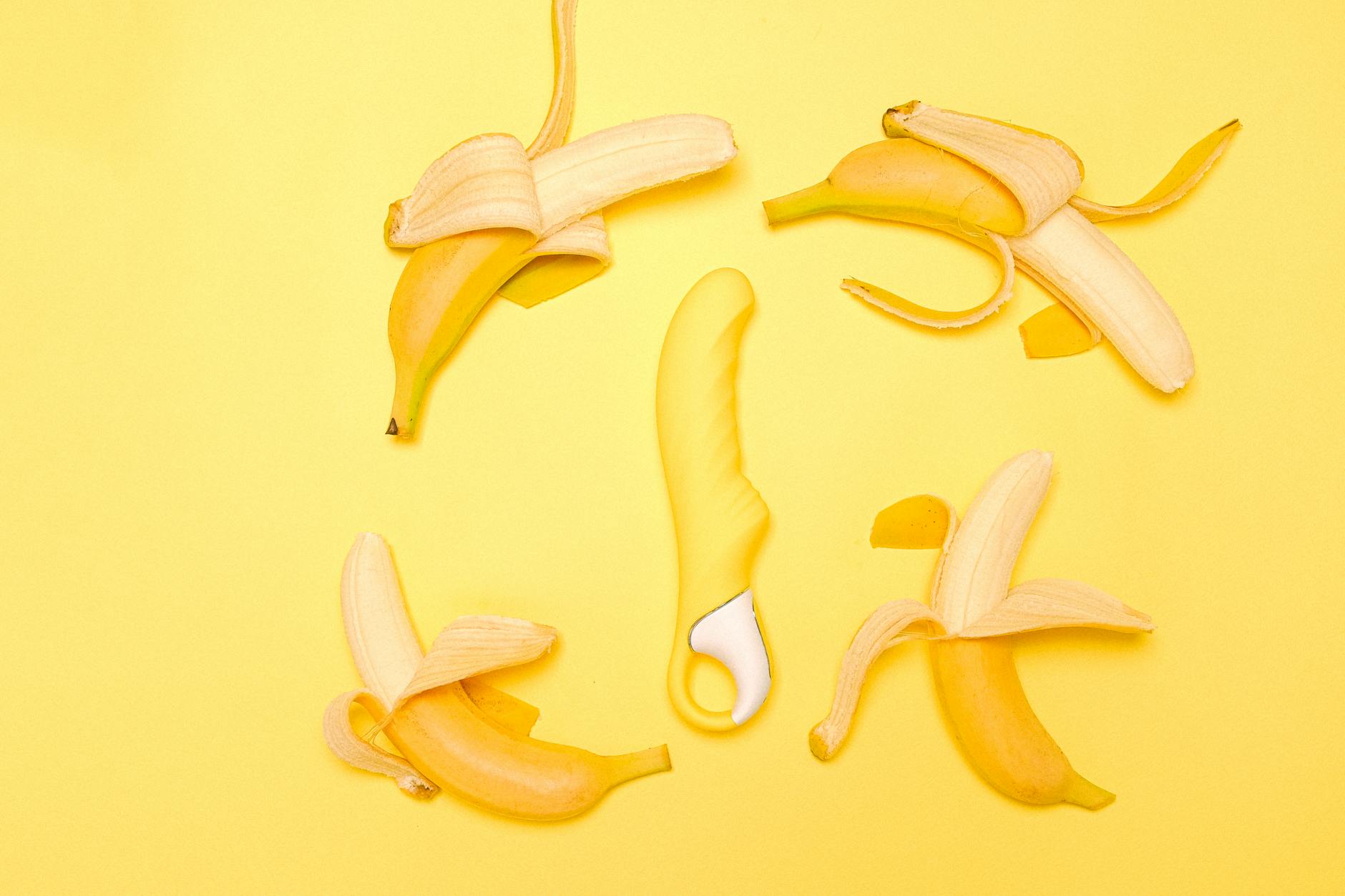
Does a Lemon Vibrator Feel Different With PCOS Hormonal Changes
Here's what nobody tells you about PCOS and pleasure. The condition doesn't turn off your desire or your capacity for orgasm. What it does is scramble the timeline. Arousal might take longer. Sensation might feel muffled some days and electric on others. Your clitoris might respond differently depending on where you are in your cycle, even though you probably don't have a predictable cycle anymore.
If you've been using a lemon vibrator, or thinking about trying one, PCOS changes the equation. Not in a bad way. But in a way worth understanding.
What PCOS actually does to arousal and sensation
PCOS means your body produces excess androgens (male hormones). This sounds like it should boost desire, and sometimes it does. But excess androgens also cause insulin resistance, which triggers inflammation throughout your body. Inflammation affects blood flow, tissue sensitivity, and how quickly your nervous system responds to stimulation.
That's the mechanical part. Here's what happens in practice:
Your clitoris has fewer readily available nerve endings firing at the starting line. The tissue is less plump with blood. Your vaginal lubrication might be inconsistent because PCOS often comes with drier skin and mucous membranes overall. And the time between "okay, I'm interested" and "my body is actually aroused" stretches. You might need 20 minutes instead of 10. Or 30 instead of 20.
But here's the part that matters for pleasure. Your capacity for intense sensation doesn't disappear. It just asks for a different approach.
Why lemon vibrators work better with PCOS than standard vibration
A traditional vibrator relies on rapid frequency. It works by jamming the nervous system with so much input that pleasure breaks through the noise. That strategy works fine when your baseline sensitivity is normal. With PCOS, it's often exhausting. You're chasing sensation that doesn't quite arrive.
Lemon vibrators, and the lem specifically, use suction and gentle pulsing instead of aggressive vibration. Suction creates a pressure seal over your clitoris. That seal draws blood into the tissue, which increases sensitivity over time rather than demanding it upfront. It's cumulative instead of instantaneous. That cumulative approach suits PCOS bodies beautifully because it doesn't require your tissue to be maximally responsive from minute one.
In practice, this means you can spend your first five minutes on a lemon clitoral vibrator at a low setting and actually feel the sensation building, rather than spending those minutes feeling disappointed because a standard vibrator isn't doing anything yet.
How to adjust your routine when PCOS makes sensation slower
Four things that help:
1. Double your warm-up time. If you used to spend 10 minutes on foreplay, budget 20. This isn't about being broken. It's about honoring the biology of your body right now. Arousal requires blood flow, and blood flow takes time to accumulate. A lemon vibrator handles this better than anything else because you can sit comfortably at pattern 1 or 2 and actually feel sensation progressing as blood pools.
2. Start lower than you think. Most people with PCOS I've worked with find that patterns 1 and 2 on the Lem feel gentle at first, then increasingly intense. You're not missing something. You're watching your own sensitivity climb. By the time you reach pattern 3 or 4, you're already deeply aroused and the suction hits differently.
3. Use lube that doesn't fight you. Your clitoris doesn't have a vagina. It doesn't need lubrication the way penetration does. But a tiny amount of water-based lube can help the suction seal better, which means you feel more, not less. Think of it as helping the toy do its job, not as compensating for dryness.
4. Track what actually matters. PCOS often comes with unpredictable cycles, which means your sensation isn't consistent day to day. Some days you'll be more responsive. Some days you'll need longer warm-up. Instead of assuming something's wrong, notice the pattern. Are you more responsive in the second half of your month? Do you need extra time after inflammatory foods? A lemon vibrator's range of intensities lets you adjust without switching toys.
The mental piece that changes with PCOS
Honestly, the hormonal shifts are only half the story. PCOS comes loaded with frustration. You might feel like your body betrayed you. Your cycle is erratic. Your skin changed. Your weight shifted. You're exhausted from managing the condition. All of that exhaustion and frustration lives in your nervous system during sex, which makes arousal harder.
The best thing you can do is separate the two conversations. Conversation one: "My body has PCOS and I need to adjust my pleasure routine." That conversation is technical and solvable. Conversation two: "I'm grieving the body I had and adjusting to the body I have." That conversation needs space too, but it's not something a vibrator fixes. A therapist or counselor helps with that one.
Once you actually grieve, something odd happens. You stop fighting your body's timeline and start working with it. That's when a lemon vibrator stops feeling like a workaround and starts feeling like the right tool.
Medication and sensation with PCOS treatment
If you're on metformin or inositol for PCOS, congratulations. These are actual game-changers. They reduce insulin resistance, which improves blood flow and tissue sensitivity over time. Some people report noticeably improved arousal within three to six months of starting treatment. That doesn't mean your pleasure was broken before. It means your baseline is shifting toward what it might have been without PCOS inflammation.
If you're taking spironolactone for androgens, it might dampen sensation slightly because it reduces overall androgen levels. This is rarely dramatic enough to matter, but worth tracking. If you suddenly notice sensation decreasing, talk to your doctor before assuming it's in your head.
When to see a specialist about PCOS and sexual function
Most PCOS-related pleasure issues respond beautifully to time, tool choice, and routine adjustment. You don't need to escalate to medication or therapy unless something's actually painful or completely absent.
Talk to your doctor if: orgasm is genuinely impossible (not just slow, actually unreachable); penetration is painful; or you've lost all interest in sex and it's distressing to you. Those conversations matter. But struggling with timing or needing a better tool? That's not a medical problem. That's just the reality of PCOS and it's absolutely workable.
Your body isn't broken. It's just operating under different parameters. A lemon vibrator understands that. It works with the body you have, not the body you think you should have.
How to talk to partners about PCOS and pleasure changes
If you're partnered, here's the conversation that actually helps. "I need longer warm-up" is not the same as "I'm not attracted to you" or "you're doing something wrong." Say that clearly. Say it more than once if you need to.
Then show your partner what works. Let them see you use a lemon vibrator solo first if that helps you relax. Then, if you want them involved, walk them through it. A partner who understands that a longer build is part of how your nervous system works now will actually get more pleasure out of the experience because you'll be genuinely aroused instead of performing.
If your partner can't make that adjustment, that's information too. And that's a different conversation for a couples therapist.
FAQ: PCOS, Lemon Vibrators, and Sensation
Does PCOS permanently change how sensation works?
No. PCOS shifts sensation, but it's not permanent or one-directional. As insulin resistance improves (through medication, exercise, or diet changes), blood flow normalizes and sensation often improves. That said, even without treatment, you adapt. Your nervous system is incredibly plastic. After a few months with adjusted timing and the right tools, your new baseline feels normal.
Will a lemon vibrator work if I'm completely numb?
Completeness numbness is rare and usually signals something else alongside PCOS, like nerve damage or medication side effects. But if sensation is just muted, not absent, a lemon vibrator's suction approach usually works better than vibration because it creates pressure and blood pooling that wakes up nerve endings. Start at pattern 1 and give yourself 15 minutes. You might surprise yourself.
Can PCOS medications make vibrators feel less intense?
Some medications can dampen sensation slightly. Spironolactone is the main culprit because it blocks androgens. But most people don't notice a dramatic shift. If you do, talk to your doctor about adjusting your dose or trying alternatives. Don't just suffer through it.
Is it normal to feel nothing for the first 10 minutes with PCOS?
Completely normal. Your nervous system needs time to fire up. This is not a malfunction. It's just how arousal works with PCOS. A lemon clitoral vibrator handles this better than anything else because low settings let you sit in that build-up phase without it feeling pointless. You're actually making progress even if it doesn't feel intense yet.
Should I use lube with a lemon vibrator if I have PCOS dryness?
A tiny bit of water-based lube helps the suction seal. You're not compensating for broken anatomy. You're optimizing the seal so the toy works better. Think of it the same way you'd use a little moisture on your fingers before trying to pick up a piece of paper. The moisture helps the grip, not because your fingers are broken.
Will my sensation improve if I treat my PCOS?
Often, yes. As insulin resistance improves and inflammation decreases, blood flow normalizes and tissue sensitivity usually increases. That said, treatment takes time. You might not notice real shifts for three to six months. In the meantime, a lemon vibrator lets you work with your current baseline instead of fighting it.
You deserve pleasure that works with your body
PCOS is exhausting. The last thing you need is a pleasure tool that demands you meet it halfway. A lemon vibrator doesn't work that way. It meets you where you actually are. It builds sensation gradually instead of demanding it instantly. It works with your timeline instead of against it.
That's the whole point. Your pleasure matters. Your body deserves attention and sensation and time. If you want to explore what works for your PCOS body, start somewhere and adjust from there. That's how you figure out what actually fits.
Ready to explore? Start with the Lem by Hello Nancy and give yourself permission to take whatever time you need.